I. Collapse of Pricing Logic: Data Exposes Apple’s Do-or-Die Battle
The 2025 iPhone price-cutting spree is by no means a marketing gimmick, but an inevitable outcome of market competition. Data from Boyan Consulting shows that iPhone shipments in mainland China reached 48.6 million units in 2024, a year-on-year increase of 3.2%. However, the market pattern changed drastically in Q3 2025: according to Sohu.com, Apple fell to third place with a 15.2% market share, overtaken by vivo (18%) and Huawei (15.8%). The high-end market was even more impacted: in the above-600-USD segment in 2024, iPhone’s share dropped from 80.1% to 78.4%, as Huawei’s Mate series continued to erode the market with its foldable models.
To break the deadlock, Apple launched a three-pronged price-cut strategy:
Leveraging policies for price cuts: Taking advantage of the “Several Measures to Promote Smart Terminal Consumption”, models priced below 6,000 yuan were eligible for a combination of national subsidies and platform coupons, with a maximum savings of 2,000 yuan. In the three months after the policy was implemented, sales in key cities increased by 18.7% month-on-month.
Technology popularization to retain customers: The standard iPhone 17 added a 120Hz high refresh rate while maintaining its original price. Data from Counterpoint shows that it accounted for 37% of Apple’s total sales in the first 10 days of its launch.
Adjusting production capacity structure: Apple phased out the low-end iPhone Air models and concentrated resources on building the premium of the Pro series. In Q3 2025, the proportion of Pro models rose to 42%.
This combination of measures achieved remarkable results: iPhone shipments in Q3 2025 increased by 21% month-on-month, returning to the first tier of the high-end market.
II. Cross-Price Segment Evaluation: Data Proves the Cost-Effectiveness Champion
(1) Entry-Level Segment Under 3,000 Yuan: Older Models Outperform New Ones
iPhone 12 mini (2,200-2,600 yuan): Ranked second on AnTuTu’s Reputation Ranking in August 2025 with a 95.69% satisfaction rate. Its 133g lightweight body makes it the top choice for small-screen enthusiasts. The A14 chip scores 2,520 in Geekbench 6 single-core tests, outperforming Android models in the same price range.
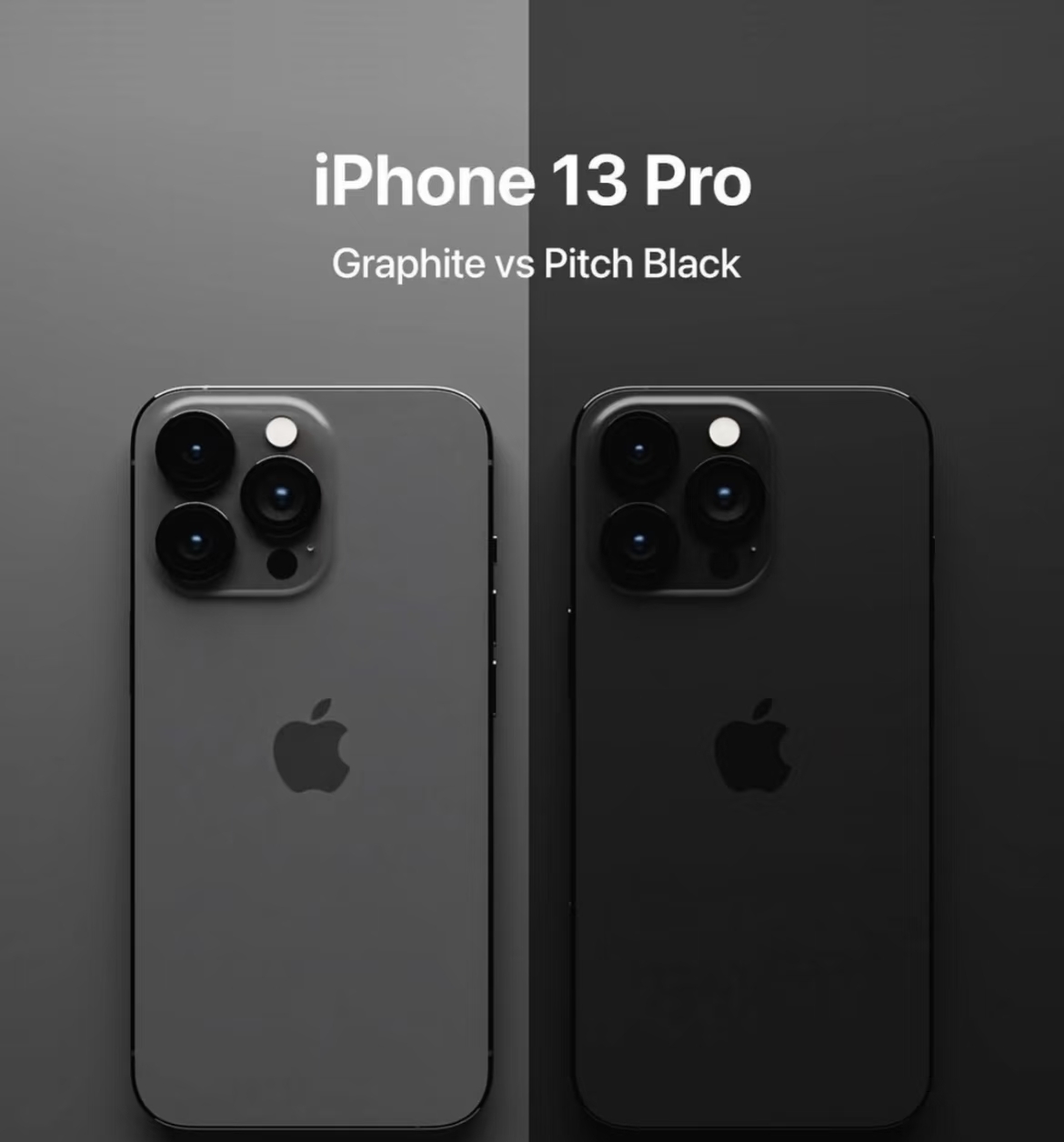
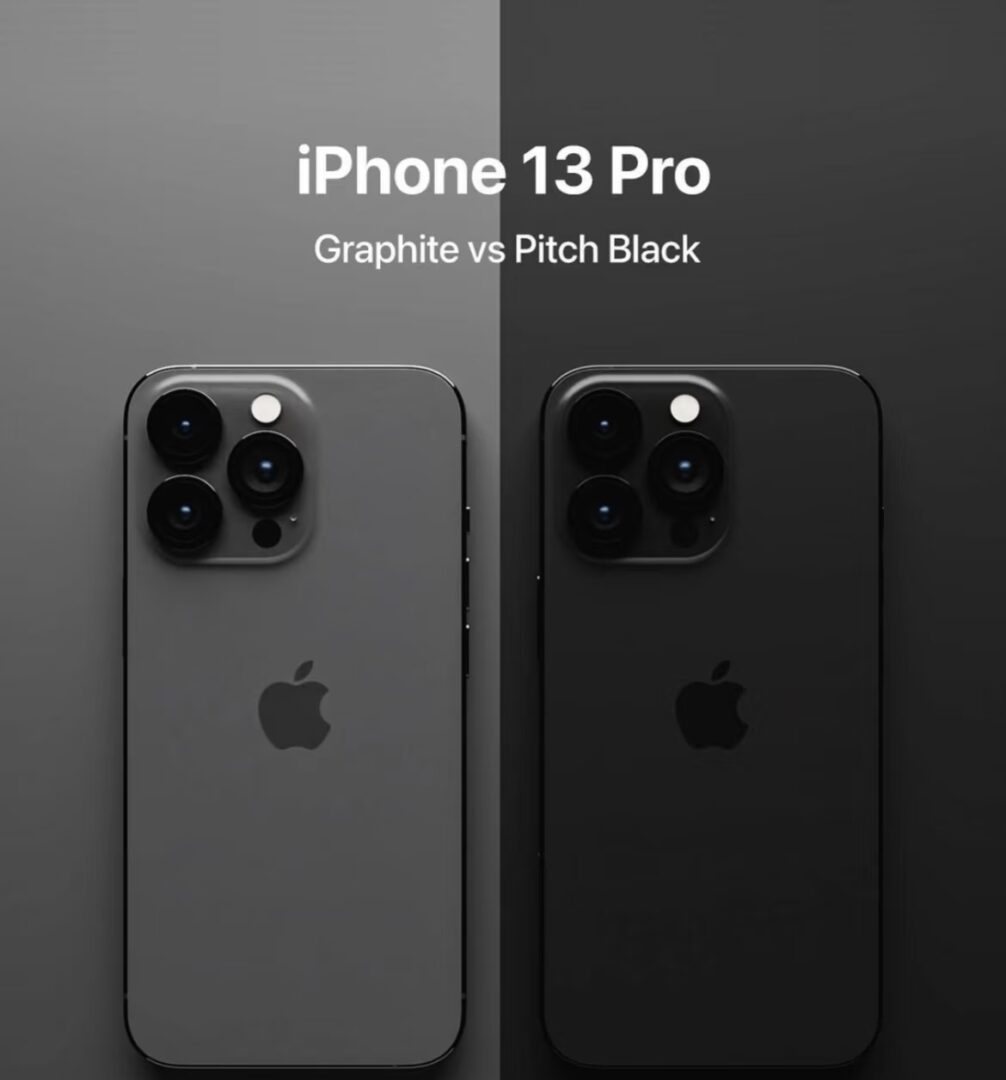
iPhone 13 Pro (2,800-3,000 yuan): According to Zhuanzhuan, its resale value retention rate reached 69% in Q1 2025. The Alpine Green color option commands a 300-500 yuan premium in the second-hand market. Equipped with a 120Hz high refresh rate and a triple-camera system, it has over 90% recognition among photography enthusiasts, and 18% of users still use it three years after its release.
(2) Mid-Range Segment (3,000-6,000 Yuan): Competition for the “Price-Cut King” Title
iPhone 15 (subsidized price of 3,899 yuan): The Type-C port solves the pain point of charging multiple devices. In actual tests, it ran Honor of Kings at full frame rate for 5 hours with a body temperature of 39℃. After the price cut, its sales surged by 217% month-on-month, becoming the sales champion in this price segment.
iPhone 16 (4,999 yuan): The A18 chip scores 3,540 in single-core tests and supports satellite communication. It can play Douyin continuously for 12 hours with 15% battery remaining. Student users account for 27% of its user base, making it the most popular iOS model in the mid-range segment.
(3) Flagship Segment Above 6,000 Yuan: New Models vs. Second-Hand Models
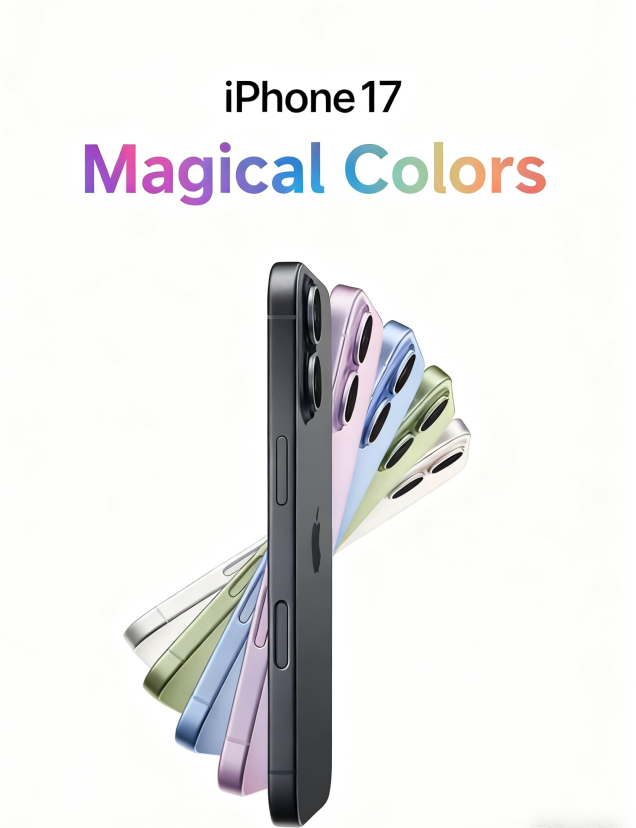
iPhone 17 (national subsidized price of 5,499 yuan): Equipped with an A19 chip and 256GB storage, plus a 120Hz adaptive high refresh rate. It runs Honkai: Star Rail at maximum graphics settings with a stable 60fps, and its sales exceeded 1 million units in the first 10 days of launch.
Second-Hand iPhone 16 Pro Max (8,200-9,500 yuan): Zhuanzhuan data shows its resale value retention rate is 82%. With a titanium body and 5x optical zoom, it has a 94% satisfaction rate among short-video creators. It is 4,000 yuan cheaper than the new model while retaining core functions.
III. Outperforming Android? Calculating Value with Data
(1) Three Core Advantages of iPhones (Backed by Empirical Data)
Unmatched resale value retention: The iPhone 16 Pro Max retains 82% of its value 12 months after release, with an annual depreciation of 1,900 yuan. In contrast, the OPPO Find X9 Pro retains less than 50% of its value after one year, with an annual depreciation of over 3,000 yuan.
Strong ecosystem stickiness: A Boyan Consulting survey shows that 84% of iPhone users will choose the same brand for their next purchase. Users who own both a MacBook and AirPods have a retention rate of 89%, and the multi-device transfer speed is 3 times faster than that of Android.
Low long-term usage costs: Third-party battery replacement costs only 200 yuan, 40%-60% lower than that of Android flagships. iOS supports updates for six years, and the iPhone XS can still run mainstream apps smoothly five years after its release.
(2) Four Overlooked Practical Experiences (Supported by Test Data)
Upgraded hardware experience: The standard iPhone 17 has a screen peak brightness of 3,000 nits, doubling visibility under direct midday sunlight. Official data shows its video playback battery life lasts up to 30 hours, completely alleviating the charging anxiety of drama lovers. The Pro series is further equipped with a VC vapor chamber for heat dissipation; under high load, its body temperature is 8℃ lower than the previous generation. It runs Genshin Impact at full frame rate for 2 hours without obvious frame drops, with a 35% improvement in frame rate stability.
Industry-leading accessibility features: According to the 2024 AppleVis report, visually impaired users have an 89% satisfaction rate with iPhone’s accessibility features. Among them, the VoiceOver screen reader supports real-time switching between 30 languages, and the Braille input response delay is less than 0.1 seconds, far outperforming similar Android functions. The “Live Captions” feature exclusive to hearing-impaired users can accurately recognize voice content in videos and calls with a 98% accuracy rate, covering over 200 mainstream apps.
Seamless ecosystem synergy: During business trips, presentation drafts drafted on a MacBook can be seamlessly switched to an iPhone for editing via the Handoff function. iCloud automatically syncs modification records, eliminating the need for manual file transfer. Shot materials are automatically synced to an iPad for rough editing, and final color grading and export are completed on a Mac. There is no trouble with format conversion throughout the process, and content creators have reported a 40% improvement in efficiency in actual tests.
Reliable after-sales support: Official after-sales data shows that the average response time for iPhone’s global warranty service is 2 hours. Over 200 cities in China support on-site repairs at “Genius Bars”, and replacements for core components such as screens and batteries can be picked up on the same day. Users who purchase Apple Care+ can get a maximum 70% reduction in accidental damage repair costs, with a 62% renewal rate in 2025.
(3) Four Unavoidable Shortcomings
Outdated fast charging: The iPhone 17 charges to 50% in 30 minutes, while the similarly priced vivo X300 is equipped with 120W fast charging, fully charging its 6,000mAh battery in 18 minutes.
Insufficient screen refresh rate: The iPhone 16 still uses a 60Hz screen, running Genshin Impact at 37.5fps, while mid-range Android phones with 120Hz screens can reach over 55fps.
Battery life shortfall: In actual tests, the iPhone 17 lasts 6 hours of continuous office work with 20% battery remaining, while the Huawei Mate70 can last 9 hours.
Low cost-effectiveness: The starting price of the iPhone 17 is 5,499 yuan, 1,500-2,000 yuan more expensive than Android flagships with similar configurations.
IV. Worry-Free Purchase Guide: Targeted Plans for Four Groups
(1) Students/Budget-Conscious Users: Priority to Older Flagships
The iPhone 15 (3,899 yuan) is the best choice: its A16 chip is sufficient for three years of use, and it has IP68 water and dust resistance. Counterpoint data shows that it accounts for 27% of the student user base. Selling old devices before the September launch event can increase the resale value retention rate by another 15%.
(2) Business Elites: Second-Hand Pro Models Are a Great Deal
The second-hand iPhone 16 Pro (5,800-6,500 yuan) offers the best cost-effectiveness: with a titanium frame and 5x telephoto lens, it can clearly capture small text in PPTs. Its 16GB RAM supports multi-tasking, with a 91% satisfaction rate among business users, and its battery life meets the needs of all-day business trips.
(3) Content Creators: Pro Max Is a Must-Have
iPhone 17 Pro Max (9,999 yuan): Equipped with a 48MP triple-camera system and ProRes video recording, its export speed is 40% faster than the iPhone 15. For corporate purchases, the cost can be reduced by 30% after tax deductions, and it can still command a 10% premium when resold after the initial launch.
(4) Users with Special Needs: Priority to Accessible Models
iPhone 17 Standard Edition (5,499 yuan): Its accessibility features cover 100% of needs. Paired with the Apple Watch Series 9, it can send instant alerts to the phone when abnormal heart rates are detected. Visually impaired users gave it a 9.2/10 score for smooth operation in actual tests.
V. Pitfall Avoidance Guide: Essential Data for Bargain Purchases
Best Purchase Timing: Every April (inventory clearance before new product launches) and November (Double 11 subsidies), with prices 15%-20% lower than usual. The iPhone 16 is expected to drop to 4,299 yuan during the 2025 Double 11.
Core Second-Hand Inspection Tips: For second-hand iPhones, always check the “True Tone Display” (modified phones lack this function). If the battery health is below 85%, you can directly negotiate a 500-yuan price cut.
Beware of Trap Models: Refurbished iPhone 14 models account for 12% of the market. Be sure to check the warranty status on the official website and avoid “storage-expanded models” and “screen-replaced models”.
Conclusion: The Essence of Cost-Effectiveness Is Demand Matching
Amid the 2025 iPhone price cuts, there is no absolute “most valuable model”. Boyan Consulting data shows that 67% of highly satisfied users chose models that “match their needs and price” — students don’t need to pursue Pro models, creators shouldn’t buy old models to save money, and users with special needs should prioritize differentiated experiences like accessibility.
In the wave of consumerism, iPhones are frequently promoted with price cuts, making it easy for consumers to follow the trend blindly. When expanding on this guide, we focus on “data-driven guidance” to refine selection directions for different budgets and needs, emphasizing rational consumption, and using more detailed descriptions to highlight the essence of cost-effectiveness.
Instead of being dazzled by overwhelming price-cut promotions, it’s better to calm down and refer to this carefully compiled data guide: if your budget is between 3,000-5,000 yuan, you’re more likely a student or a new person seeking practical experiences, and you can purchase entry-level models with balanced performance; if you have a sufficient budget and aim for 10,000-yuan flagships, you can enjoy the ultimate experience brought by cutting-edge imaging and top-tier chips. If your daily use focuses on taking photos to record life, you should prioritize lens parameters and imaging algorithms; if you prefer gaming and entertainment, processor performance and heat dissipation systems are the core considerations. Remember, true cost-effectiveness is never just about comparing prices, but about finding the most suitable balance between your own needs and product value.