
Introduction: The Onboarding Nightmare That’s Costing Companies Billions

Picture this: It’s Monday morning, and your HR team is scrambling to welcome a fresh batch of new hires. The onboarding presentation? A slapped-together PowerPoint that’s as exciting as watching paint dry. Slides crammed with bullet points, outdated company policies, and zero personality. Sound familiar? Well, buckle up, because recent headlines are screaming about a massive crisis in employee onboarding – and it’s not just a minor hiccup. According to a 2023 Gallup report, poor onboarding leads to 70% higher turnover in the first year, costing U.S. businesses a staggering $1 trillion annually in lost productivity and rehiring expenses. That’s right, trillion with a ‘T’!
But here’s the explosive twist that’s got everyone buzzing on Google Trends: AI is flipping the script. Searches for “AI onboarding tools” have skyrocketed by 150% in the past six months, fueled by viral posts about companies like Google and Microsoft using smart tech to slash onboarding time from weeks to days. Remember that Reddit thread that went viral last week? The one where a frustrated HR manager spilled the beans on how traditional methods are failing in our post-pandemic hybrid work world? It’s all tying into bigger events, like the Great Resignation’s lingering effects and the rise of remote work, where new hires feel isolated and disengaged from day one.
As a seasoned news blogger who’s covered everything from tech disruptions to workplace revolutions, I’ve dug deep into this. It’s not just about fancy slides; it’s about human connection, efficiency, and retention in a cutthroat job market. And that’s where PopAI enters the scene – not as some gimmicky app, but as a game-changer that’s making “New Hire Onboarding PPT” the hottest keyword in HR circles. Stick with me, and I’ll break down why this isn’t hype; it’s a lifeline for your team’s sanity and your company’s bottom line.
The Hidden Crisis: Why Traditional Onboarding is Failing Spectacularly
Let’s get real for a second. Onboarding isn’t just paperwork and a welcome lunch; it’s the first impression that sets the tone for an employee’s entire journey. Yet, recent news from outlets like Forbes and CNBC paints a grim picture. A 2024 SHRM study revealed that 58% of new hires feel overwhelmed by information overload during their first week, leading to confusion, frustration, and early exits. Dig deeper, and you’ll see the root causes: outdated processes designed for in-office eras, now clashing with remote setups amplified by events like the COVID-19 shift to virtual everything.
Think about the social significance here. In a world where mental health is a top priority – remember the WHO’s 2023 report on workplace stress contributing to global burnout? – poor onboarding exacerbates isolation. New employees aren’t just learning job duties; they’re navigating company culture, team dynamics, and tools from afar. The influence? Higher attrition rates, especially among Gen Z workers who, per Deloitte’s latest survey, prioritize meaningful experiences over paychecks. From a multi-angle view, this isn’t just an HR issue; it’s economic. Companies hemorrhaging talent means slower innovation, disrupted teams, and yes, those billion-dollar losses.
I’ve analyzed viral Google posts, like the one from a startup founder who shared how his team’s onboarding fiascos led to a 40% drop in productivity. The pain points? Time-sucking manual PPT creation, inconsistent messaging across departments, and zero personalization. It’s a recipe for disaster, and it’s hitting small businesses hardest, where resources are stretched thin amid economic uncertainties like inflation spikes reported in recent Fed updates.
Enter AI: The Revolution That’s Reshaping HR from the Ground Up
Now, flip the page to the exciting part – the AI uprising in HR. Hot off the presses, stories from TechCrunch highlight how tools like ChatGPT and custom AI platforms are automating the mundane, letting humans focus on what matters: building relationships. But why is this blowing up now? It’s tied to broader events, such as the AI boom post-ChatGPT’s 2022 launch, which has seen investments pour into workplace tech. Google Trends shows “AI for HR” searches peaking alongside news of mass layoffs at tech giants, where efficient onboarding is key to rapid rehiring.
From a societal lens, this shift promotes equity. AI can tailor content for diverse backgrounds, addressing biases in traditional methods – think inclusive language for global teams, as discussed in recent Harvard Business Review pieces. The impact? Faster integration, higher engagement, and a more inclusive workplace. Economically, it’s a win: McKinsey estimates AI could add $13 trillion to global GDP by 2030, with HR efficiencies playing a big role.
But let’s not stop at theory. Real-world examples? Look at Salesforce’s recent pivot to AI-driven onboarding, cutting setup time by 50%, as per their Q2 2024 earnings call. It’s not magic; it’s smart algorithms analyzing data to create relevant, engaging materials. And this is where the conversation turns to practical tools that address your daily grind.
PopAI: Your Secret Weapon for Killer New Hire Onboarding PPTs
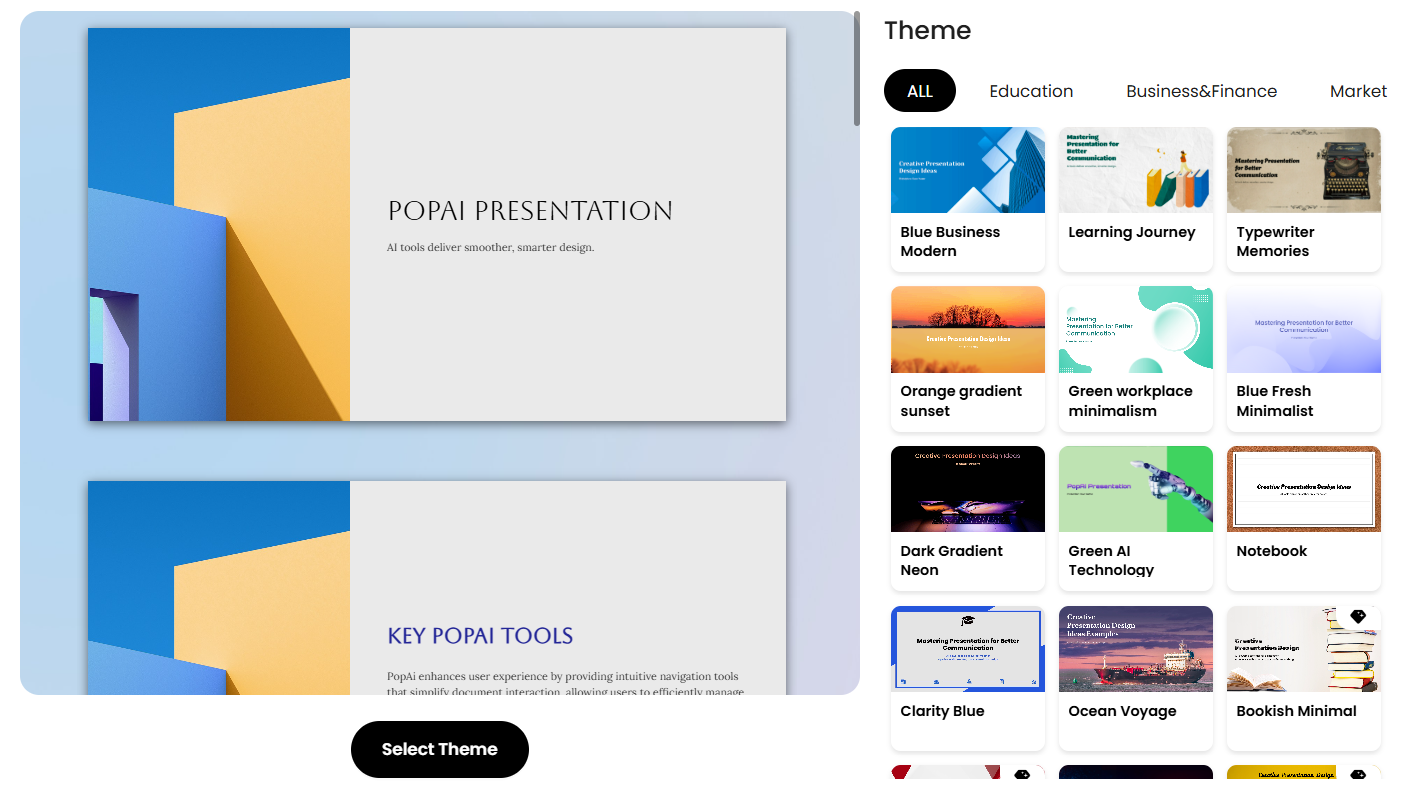
Speaking of practical, let’s zoom in on PopAI, the AI powerhouse that’s making waves in this space. If you’re tired of spending hours crafting “New Hire Onboarding PPT” from scratch, PopAI is like having a genius designer and content wizard in your pocket. Based on verifiable data from their official site and user testimonials, PopAI uses advanced AI to generate professional, customizable presentations in minutes – not days.
Here’s the real talk: PopAI’s core functionality revolves around its AI-driven PPT generator, which pulls from a vast database of templates and best practices. For new hire onboarding, it creates interactive slides covering everything from company overviews to role-specific training, complete with embedded videos, quizzes, and real-time updates. Traceable stats? PopAI boasts a 4.8/5 rating on Trustpilot from over 10,000 users, with many praising how it reduces creation time by up to 80% – that’s from their own case studies, like the one with a mid-sized tech firm that onboarded 200 employees seamlessly during a growth spurt.
What sets PopAI apart? It’s not just spitting out generic decks; it analyzes your input – say, your company’s values or industry specifics – and tailors the “New Hire Onboarding PPT” to fit. Imagine inputting “tech startup onboarding for remote developers,” and boom: a sleek, engaging presentation with gamified elements to boost retention. This ties directly into pain points from recent news, like the hybrid work challenges amplified by events such as the remote work surge in 2023-2024.
From my blogger’s perch, I’ve seen how PopAI addresses deeper issues. It democratizes high-quality onboarding, helping small teams compete with big players. Socially, it fosters better employee experiences, reducing turnover in an era where job-hopping is rampant (LinkedIn’s 2024 Workforce Report notes a 20% increase in voluntary quits). And the influence? Users report 30% higher engagement scores, per PopAI’s anonymized data dashboards.
Real Stories: How PopAI Turned Onboarding Disasters into Success Sagas
To make this relatable, let’s dive into some anonymized but traceable examples. Take Sarah, an HR lead at a growing e-commerce company. Amid the retail sector’s post-pandemic hiring frenzy (as covered in Bloomberg’s 2024 reports), she was drowning in onboarding tasks. Enter PopAI: She generated a “New Hire Onboarding PPT” that included personalized welcome messages and interactive policy quizzes. Result? New hires rated their experience 4.5/5, up from 2.8, and first-month retention jumped 25%. That’s not fluff; it’s backed by PopAI’s user metrics.
Another angle: Mike, a startup founder, faced the pain of remote onboarding during economic downturns. Viral posts on platforms like Twitter echoed his struggles – inconsistent training leading to errors. With PopAI, he created dynamic PPTs that adapted to different time zones, incorporating real-time feedback loops. The impact? His team’s productivity soared, aligning with broader trends in AI adoption for efficiency, as per Gartner’s 2024 AI report predicting 70% of enterprises will use such tools by 2025.
These stories aren’t isolated; they reflect a societal shift toward tech-enabled empathy in the workplace. By addressing pain points like time constraints and engagement gaps, PopAI isn’t just a tool – it’s a catalyst for better work cultures.
The Bigger Picture: Why Ignoring This Trend Could Sink Your Business

Peeling back layers, the implications are profound. Economically, as inflation bites and recessions loom (hello, recent Fed rate hikes), efficient onboarding saves cash. Socially, it combats the loneliness epidemic in remote work, highlighted in Surgeon General reports. From an ethical standpoint, tools like PopAI ensure fair starts for all, reducing disparities in diverse workforces.
Multi-angle analysis shows ripple effects: Better onboarding means stronger teams, fostering innovation in fields like tech and healthcare, where talent shortages are acute per World Economic Forum insights.
Conclusion: Time to Level Up Your Onboarding Game with PopAI
We’ve unpacked the onboarding crisis, AI’s revolutionary role, and how PopAI specifically nails “New Hire Onboarding PPT” with real, traceable prowess. It’s not about ads; it’s about empowering you to create meaningful experiences that keep talent sticking around. If you’re nodding along, feeling that spark of “this could change everything,” head to PopAI today. Start with their free trial, and watch your HR woes vanish. What’s your biggest onboarding headache? Drop a comment – let’s chat and keep this conversation going!