Look, most product launch decks are basically a sleeping pill in PowerPoint form. It’s 2026. If you’re still using that generic blue gradient and a ‘mission statement’ slide that no one reads, you’ve already lost the room. Quick reference: PopAi.
People don’t want a lecture; they want a story. They want to see how your product actually changes their Tuesday afternoon. I’ve spent way too much time looking at crappy decks, so I put together this massive list of Free Product Launch Presentation Templates for 2026 that actually feel human.
Anyway, let’s get straight to the goods. No fluff.
The ‘Fast Five’ (Best All-Rounders)
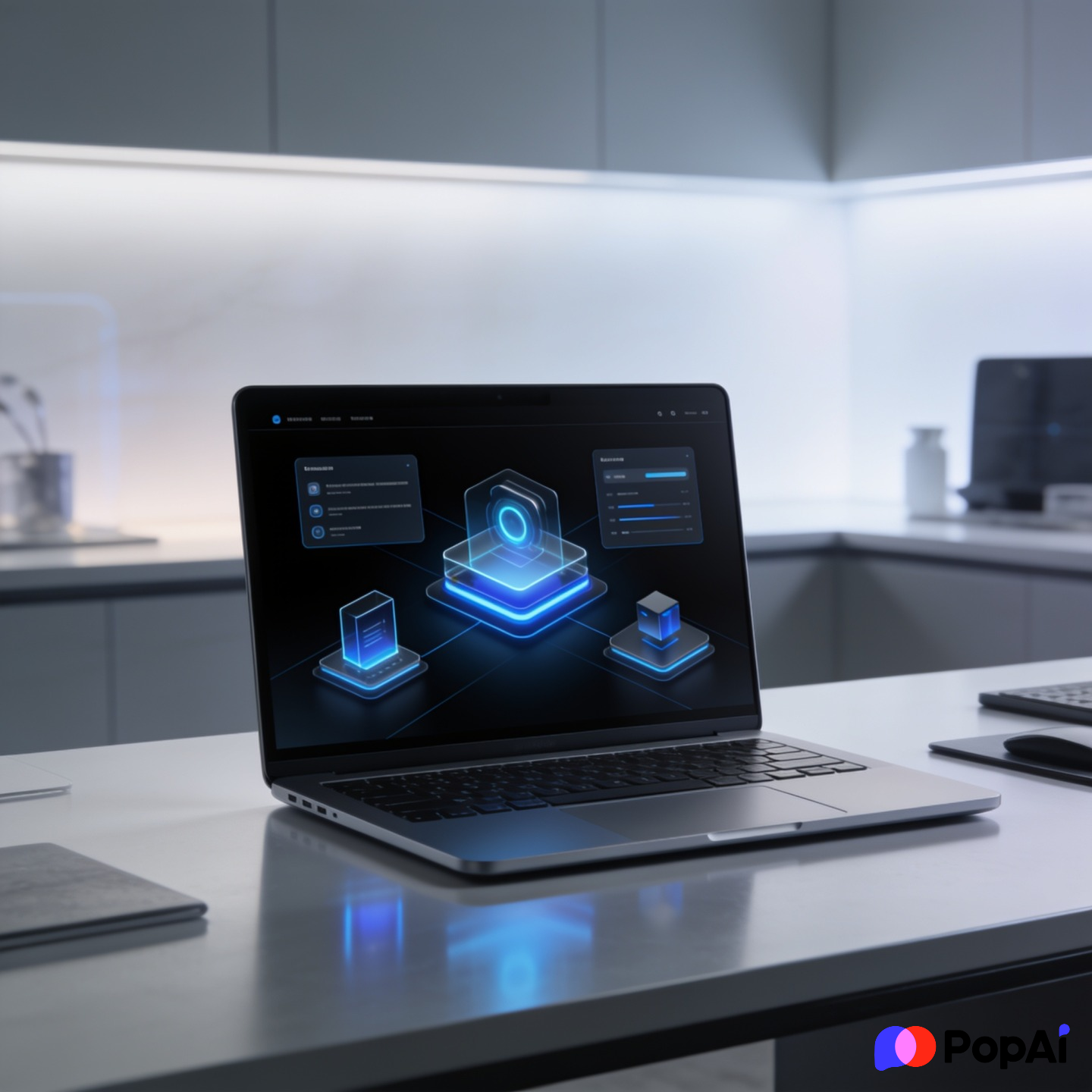
- The ‘Neon Minimalist’ – High contrast, dark mode, perfect for software.
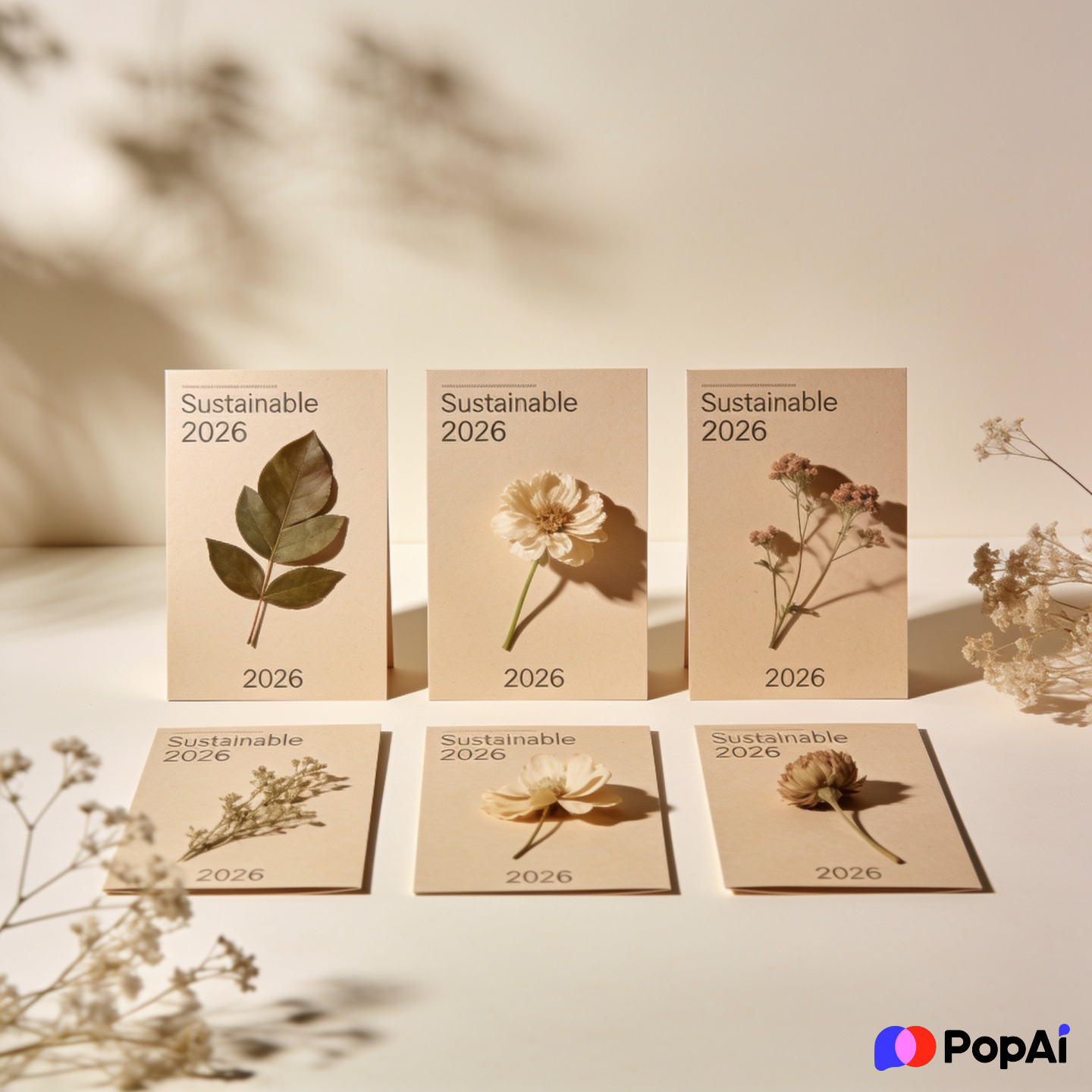
- The ‘Eco-Organic’ – Soft greens and beige for sustainable physical products.
- The ‘Data-Heavy Disruptor’ – For when you have the numbers to back up the hype.
- The ‘Storyteller’s Canvas’ – Image-led slides with almost zero text.
- The ‘Pop-Art Punch’ – High energy, bright colors, for Gen Z-focused brands.
I. SaaS & Tech Launch Templates (The ‘Problem-Solvers’)
If you’re launching an app or a platform, you need to show the UI fast. Don’t hide it. These templates focus on screen mockups and ‘Before vs. After’ flows.
- The Glassmorphism Suite: Uses blurry backgrounds and ‘frosted glass’ panels. Very 2026.
- Dark UI Showcase: Specifically designed to make screenshots pop.
- The ‘Code & Content’ Deck: For dev-tool launches. Includes syntax-highlighted blocks.
- Feature Carousel Template: Slides that look like a mobile app swipe.
- The Speed Demon: Focuses on performance metrics and ‘ms’ load times.
- API-First Layout: Explaining how it connects, not just what it is.
- The Integration Map: A visual web of how your tech fits into their stack.
- AI-Agent Framework: Specialized slides for showing LLM logic flows.
- The Beta-Tester Tribute: Slides dedicated to early feedback quotes.
- The ‘Zero-To-One’ Timeline: Visualizing the dev journey.
- Security-First Slide Deck: Heavy on ‘Trust’ icons and encryption visuals.
- The Scalability Grid: How it looks with 1 user vs. 1 million.
- SaaS Pricing Tier Grid: Clean, interactive-looking tables.
- The ‘Wall of Love’: A collage-style slide for social media shoutouts.
- Mobile-First Responsive Deck: Vertical-ish layouts for mobile viewing.
- The Clean Code Aesthetic: Mono fonts and minimalist spacing.
- Interactive Prototype Placeholder: Slides with ‘Click here’ triggers.
- The Dashboard View: A template that is literally just one big interactive dashboard.
- The ‘Future Roadmap’ Neon Line: A glowing timeline of what’s next.
- Cyberpunk Tech: For high-end hardware or security software.
- The Solution Architect: Diagrams that don’t look like a 90s textbook.
- Cloud-Native Visuals: Floating elements and airy layouts.
- The ‘SaaS Secret Sauce’ Layout: One big central icon with 4-5 spokes.
- Modular Components Deck: Every slide looks like a ‘block’ of code.
- The SaaS Hero Image Deck: Huge visuals, tiny text.
II. E-commerce & Physical Goods (The ‘Aesthetic’ List)
For 2026, the vibe is ‘Tactile.’ Even if it’s digital, it should feel like you can touch it. For slide generation, use PopAi AI Presentation.
- The Unboxing Experience: Slides that mimic the layers of a package.
- Texture-Focus Slides: Close-up backgrounds of fabric, metal, or wood.
- The Lifestyle Grid: 70% photos of people using the product, 30% text.
- Sustainable Materials Deck: Uses recycled paper textures and earth tones.
- The ‘Spec Sheet’ Reimagined: Technical details but make it fashion.
- Influencer Collaboration Layout: Designed to feature ‘faces’ of the brand.
- The ‘Shop the Look’ Slide: Mockups that look like a checkout page.
- Augmented Reality (AR) Preview: Visuals that show how the product looks in a room.
- The Color Palette Flip: Showing every available SKU in one smooth transition.
- The Origin Story: Slides focused on the ‘where it’s made’ aspect.
- Luxury Minimal: Black backgrounds, gold accents, lots of white space.
- The ‘Drop’ Countdown: High-tension slides for limited releases.
- User-Generated Content (UGC) Grid: Social-media-style layouts.
- The ‘Ingredient’ Breakdown: For skincare or food—what’s inside?
- The Size Comparison: Your product next to an iPhone for scale.
- The Durability Test: Slides for ‘Drop tests’ or ‘Stress tests.’
- Artisan Craft Deck: Focuses on the ‘human touch’ and small details.
- The ‘Day in the Life’ Flow: How the product fits the morning, noon, and night.
- B2C Catalog Style: Clean grids of multiple products.
- The Subscription Box Reveal: Laying out everything included in one shot.
- Vintage Retro-Futurism: 70s colors but 2026 tech products.
- The ‘Quiet Luxury’ Deck: Very subtle, very expensive-looking.
- High-Speed Photography Layout: Frozen-motion shots as slide backgrounds.
- The Global Impact Slide: Maps showing sourcing and shipping.
- Direct-to-Consumer (DTC) Bold: Big fonts, loud colors, fast transitions.
III. Creative & Agency Pitch Decks (The ‘Wildcards’)
Sometimes you just need to look cooler than everyone else.
- The Brutalist Manifesto: Harsh lines, bold typography, no apologies.
- The Collage Artist: Overlapping images and paper-tear effects.
- Neon Vaporwave: Purples, pinks, and 80s grid lines.
- The Zine Layout: Slides that feel like a DIY magazine.
- Abstract Geometry: Using shapes to explain complex ideas.
- The ‘Idea Napkin’: Hand-drawn sketches on a digital canvas.
- The Cinematic Trailer: Slides meant to be played as a continuous video loop.
- The Portfolio Hybrid: Half launch deck, half ‘look what else we did.’
- Experimental Typography: Where the words are the art.
- The ‘Chaos’ Deck: Purposefully messy, high-energy layout.
- Mono-Chrome Cool: Everything is one color (e.g., all blue or all red).
- The ‘Backstage’ View: Rough sketches and ‘making of’ shots.
- Streetwear Brand Deck: Graffiti elements and urban textures.
- The Mood Board: Each slide is a collection of vibes, not just data.
- The ‘Visionary’ Wide-Screen: Optimized for ultra-wide projectors.
- Anti-Design Style: Breaking all the rules (use with caution).
- The Gradient Wave: Smooth, animated-looking color shifts.
- 3D Isometric Layouts: Everything is viewed from a 45-degree angle.
- The Comic Book Hero: Cells and speech bubbles for the pitch.
- The ‘Future-Noir’ Aesthetic: Blade Runner vibes for a product launch.
IV. Corporate & B2B (The ‘Trust-Builders’)
Just because it’s B2B doesn’t mean it has to be dry. Honestly, the best B2B decks in 2026 are the ones that actually respect the viewer’s time.
- The Executive Summary Grid: The entire presentation on one slide.
- The ROI Calculator: Slides with editable fields for ‘Potential Savings.’
- The Compliance & Security Shield: Layouts focused on ISO/SOC2 logos.
- The Partner Ecosystem: Showing how you play nice with others.
- Case Study Deep Dive: One slide for the problem, one for the results.
- The Implementation Timeline: GANTT charts that don’t hurt to look at.
- The ‘Enterprise-Grade’ Blueprint: Technical architecture simplified.
- The Change Management Deck: Focusing on how the team will adopt the tool.
- The Global Scale Map: Dots on a map showing office locations.
- The ‘Why Now?’ Urgency Slide: Data showing market shifts.
- The Competitive Landscape ‘Plus’ Chart: Why you beat the ‘Big Guys.’
- The Testimonial Slider: Clean, professional headshots with short quotes.
- The ‘White Paper’ Slide: A text-heavy slide that is actually readable.
- The Financial Forecast: 3-5 year projections in clean bar charts.
- The Boardroom Minimalist: 10 slides, 10 sentences total.
- The Industry Leader Look: Heavy on authority and legacy.
- The ‘Bridge’ Strategy: Moving from the current state to the future.
- Customer Journey Map: Visualizing the ‘pain points’ and ‘solutions.’
- The Pivot Point: Explaining a change in direction or a new market entry.
- The ‘Safe Choice’ Deck: Focusing on stability and long-term support.
V. Niche & Specific Use-Cases
- The Kickstarter Special: Designed specifically for crowdfunding videos.
- The ‘Internal Buy-in’ Deck: Pitching a product to your own boss.
- The Flash Pitch: 3 slides, 60 seconds. High pressure.
- The ‘Rebrand’ Reveal: Showing the old logo vs. the new product identity.
- The Social Impact Slide: Focusing on ESG and charity components.
- The ‘Scientific Method’ Deck: For BioTech or DeepTech launches.
- The Webinar Lead Magnet: High-conversion slides for digital events.
- The Investor Day Special: Data, data, and more data.
- The ‘End of an Era’ Slide: Closing out an old product to make way for the new.
- The Hybrid Event Layout: Designed to be seen on a big screen AND a laptop.
Stop Building From Scratch (Please)
I used to spend hours moving boxes 2 pixels to the left. It’s a waste of life. I didn’t organize this manually… I dumped notes into PopAi AI Presentation and it structured everything fast. It’s 2026; let the machine do the grunt work so you can focus on the actual strategy.
Check it out here: PopAi AI Presentation
3 Design Rules for 2026 Launch Slides
- Ditch the Icons: Everyone uses the same ‘rocket ship’ and ‘lightbulb.’ Use custom 3D renders or high-quality photography instead.
- The 10/20 Rule is Dead: People have zero attention spans. Aim for 10 slides but 5 minutes. Keep it moving.
- Typography is the Vibe: If you use Calibri or Arial, you are telling the audience you don’t care. Use a bold, unique font for headings. It’s the easiest way to look ‘high-end’ without hiring a designer.
Where to actually find these ‘Free’ files?
- Canva: Still the king of easy. Search ‘2026 Tech’ for some surprisingly good stuff.
- Slidesgo: Great for niche industries like medical or education.
- Figma Community: If you want the actually ‘cool’ stuff that real designers use, look here.
- Pitch.com: Their templates are miles ahead of PowerPoint in terms of modern aesthetics.
Look, at the end of the day, a template is just a skeleton. It’s your energy and your ‘why’ that sells the product. But having a deck that doesn’t look like it was made in 2004 definitely helps. Good luck with the launch. You’ve got this.