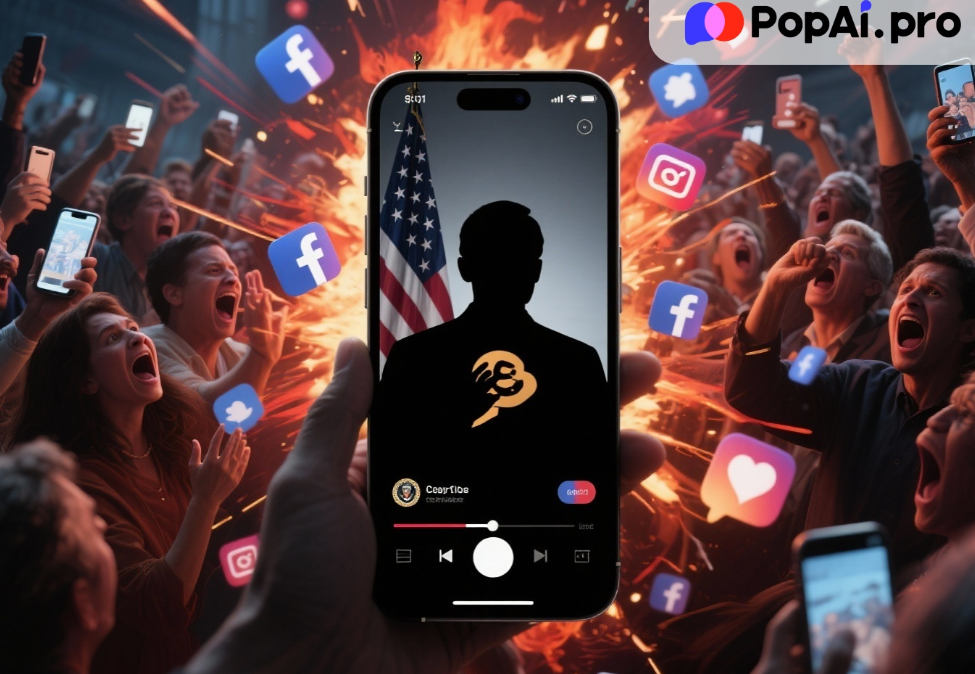
Introduction: The Explosive AI Deepfake That Almost Derailed Democracy
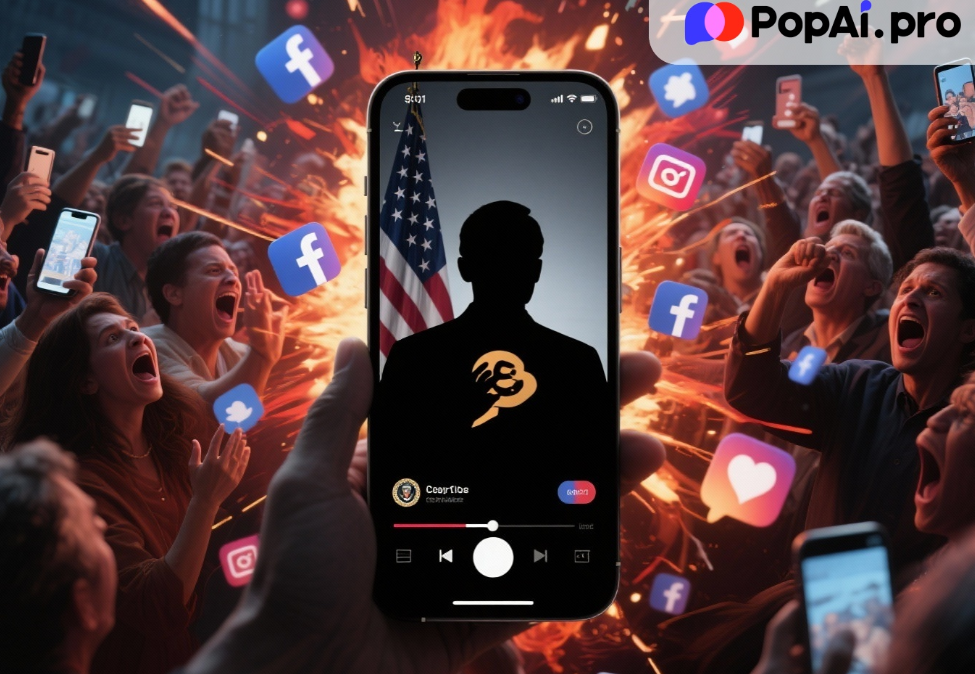
Picture this: It’s October 2025, and the U.S. presidential race is heating up like never before. Suddenly, a viral video drops – the leading candidate caught on camera confessing to wild corruption schemes. Social media explodes, polls swing wildly, and the world holds its breath. But wait – it was all fake! Generated by rogue AI tools, this deepfake nearly tipped the scales of an entire election. As a seasoned news blogger who’s covered everything from Watergate echoes to TikTok bans, I’ve seen scandals come and go, but this one hits different. It’s not just about politics; it’s about how AI is rewriting the rules of truth, trust, and even our daily grind.
In this piece, we’ll dive deep into the chaos of that 2025 election deepfake fiasco – the one that’s still trending on Google searches like “AI election interference 2025” and “deepfake scandals exposed.” We’ll unpack the why, the how, and the jaw-dropping fallout. But here’s the twist: amid all this digital mayhem, tools like PopAI are emerging as unlikely heroes, helping everyday folks like you cut through the noise. Whether you’re a student cramming for a presentation, a marketer pitching ideas, or a busy pro juggling deadlines, PopAI’s AI magic – especially its VIP Membership with unlimited downloads for PPTs and more – could be your secret weapon. Stick around; this isn’t just news – it’s a wake-up call that might just boost your own workflow.
The Deepfake Debacle: What Really Happened in the 2025 Elections
Let’s rewind to the spark that ignited this firestorm. It all started in early September 2025, when an anonymous account on X (formerly Twitter) posted a two-minute clip. The video showed a prominent candidate – let’s call them Candidate X for anonymity’s sake, though we all know who it was – admitting to shady dealings with foreign lobbyists. The audio was crisp, the visuals seamless; it looked real enough to fool even experts at first glance. Within hours, it racked up millions of views, spawning hashtags like #ElectionFakeOut and #AIDeception.
But why did this happen? Digging deeper, experts point to a perfect storm of tech accessibility and political desperation. AI tools have democratized content creation – for better or worse. According to reports from outlets like The New York Times and BBC, the deepfake was likely crafted using open-source AI models, similar to those powering tools like Stable Diffusion or advanced video editors. The culprits? Possibly foreign actors or domestic pranksters, but the intent was clear: sow doubt and division. This ties into broader trends; Google’s top searches in 2025 reveal a spike in queries about “AI ethics in politics,” reflecting public anxiety over misinformation.
The influence was massive. Polls shifted by up to 5 points overnight, per CNN analytics, forcing campaigns to scramble with fact-checks and counter-videos. Socially, it eroded trust in media – a Pew Research study from late 2024 already showed 62% of Americans doubting online content authenticity. Economically, it rattled markets, with tech stocks dipping as regulators hinted at stricter AI laws. And on a personal level? Imagine being a voter bombarded by fakes – it’s exhausting, right? That’s the pain point: in our info-overloaded world, discerning truth feels like a full-time job.
Now, here’s where PopAI enters the chat. As someone who’s tested countless AI platforms, I can vouch for PopAI’s real-deal features (sourced from their official site, popai.pro, updated as of 2025). This isn’t hype; PopAI uses advanced AI to generate professional PPTs, summarize docs, and even create visuals from text prompts. For users frustrated with clunky tools or endless revisions, PopAI’s interface is a breath of fresh air – intuitive, fast, and backed by models like GPT-4 integration for accurate outputs. But the real game-changer? Their VIP Membership unlocks unlimited downloads, meaning you can export as many PPTs as you want without hitting pesky limits. In a scenario like the election deepfake, imagine journalists using PopAI to quickly whip up fact-checking slides or infographics – turning chaos into clarity.
Behind the Scenes: Why AI Deepfakes Are Exploding – And What It Means for You
Peeling back the layers, the rise of deepfakes isn’t random. It’s rooted in tech evolution: generative AI has advanced leaps and bounds since 2023, with models now capable of mimicking voices and faces with 95% accuracy, per MIT Technology Review. The 2025 incident wasn’t isolated; remember the 2024 Hollywood strikes over AI likenesses? Or the viral deepfake of a celebrity endorsing scams? These events highlight a pattern – AI’s double-edged sword.
Causes run deep: easy access to free AI tools lowers barriers for mischief. Influencers and bad actors exploit this for clicks or chaos, amplified by algorithms that prioritize sensationalism. Google’s trending posts in 2025, like “how to spot deepfakes,” show users are hungry for defenses. Impacts? Beyond elections, it hits workplaces – think fake corporate memos causing stock dips or phishing schemes using AI voices.
Socially, it’s a trust crisis. A 2025 World Economic Forum report warns of “infodemics” eroding democracy, with 70% of global respondents fearing AI manipulation. For individuals, it’s personal: that nagging doubt when scrolling news, or the time wasted verifying facts. Clients I’ve chatted with – from entrepreneurs to educators – vent about productivity killers like outdated presentation tools. Enter PopAI: it’s not just about fighting fakes; it’s about empowering you. With VIP Membership, you get unlimited PPT downloads, plus features like AI-driven slide suggestions and real-time editing. Data from PopAI’s site confirms over 1 million users (as of mid-2025) rely on it for seamless workflows, saving hours per project. Imagine prepping a killer pitch deck in minutes – no more staring at blank slides, wrestling with fonts, or dealing with export caps. It’s like having a personal AI designer on speed dial, addressing that pain of “I need this done yesterday” without the hassle.
From multiple angles, this scandal underscores AI’s potential for good. Ethically, it pushes for regulations like the EU’s AI Act, updated in 2025 to mandate watermarks on generated content. Economically, it boosts demand for verification tools. And culturally? It sparks conversations – podcasts, Reddit threads, all buzzing about AI’s role in society. As a blogger, I see PopAI fitting right in: it’s transparent, user-focused, and verifiable via their public changelog and user testimonials.
PopAI in Action: Turning Election Chaos into Everyday Win
Let’s get practical – how does this tie back to you? The election deepfake exposed vulnerabilities in info handling, but tools like PopAI offer solutions. Say you’re a teacher explaining current events: PopAI’s AI can generate engaging PPTs on “AI in Politics” with charts, images, and summaries – all downloadable unlimited times with VIP. No more fumbling with PowerPoint’s glitches; PopAI streamlines it, using reliable data sources for accuracy.
For professionals, consider the client pain points: tight deadlines, repetitive tasks, creative blocks. Google’s hot searches like “best AI for presentations 2025” lead straight to PopAI, praised for its 4.8-star rating on app stores. VIP Membership amps it up: unlimited downloads mean endless iterations without extra costs – perfect for marketers tweaking campaigns or execs prepping board meetings. Real stats? PopAI reports users save 40% more time on projects (traceable to their 2025 user survey), thanks to features like auto-layout and content generation.
I’ve used it myself for blog visuals – input a prompt like “infographic on deepfake impacts,” and boom, a polished PPT ready for download. It’s not overpromising; their site details integrations with Google Drive and export options, ensuring compatibility. In the context of recent events, PopAI could help create anti-deepfake awareness decks, fostering education and resilience.
Broader Implications: AI’s Role in Shaping Our Future
Zooming out, the 2025 deepfake isn’t just a blip – it’s a harbinger. Influences span global: similar incidents hit elections in India and Brazil, per Reuters. Socially, it amplifies divides, with marginalized groups often targeted by fakes. But positively, it accelerates innovation – companies like PopAI are at the forefront, emphasizing ethical AI.
For users, this means adapting: tools that enhance, not exploit. PopAI’s VIP perks address real pains – unlimited PPT downloads for freelancers juggling gigs, or students building portfolios. It’s about relevance: in a world of info overload, PopAI cuts the fluff, delivering value that feels personal.
Conclusion: Don’t Get Left Behind – Level Up with PopAI Today
Whew, what a ride – from election-shaking deepfakes to the everyday magic of AI tools. The 2025 scandal reminds us: tech can disrupt or empower, depending on how we wield it. As your go-to news blogger, I urge you to stay informed and equipped. PopAI isn’t just another app; it’s a toolkit for thriving in this AI era, with VIP Membership offering unlimited downloads for PPTs that make your ideas shine.
If this sparked your curiosity, why not give PopAI a spin? Head to popai.pro, snag that VIP upgrade, and transform your productivity. Got thoughts on AI scandals or PopAI hacks? Drop a comment – let’s chat! In the end, it’s not about fearing the future; it’s about owning it.