The “Relationship Inertia” You Don’t Notice Hides Your Attachment Style
Last week at a café, a friend clutched a cold glass and muttered repeatedly: “He talked about planning the future with me just two nights ago, but today he only replied ‘I’m busy’—am I being too clingy?” I’ve heard countless similar confusions from different people: some can’t help checking their partner’s phone when in love; others hide in a “silent shell” and refuse to communicate after a fight; still others clearly crave intimacy but subconsciously pull away when their partner gets close.
These seemingly random “relationship quirks” all point to one core: attachment styles. In the 1960s, when British psychologist John Bowlby proposed attachment theory, he discovered that how we handle intimate relationships in adulthood often mirrors the interaction patterns we had with our primary caregivers in childhood. For example, those who received timely responses to their cries as children tend to believe “intimacy is safe” when they grow up; while children who were often ignored may assume “relying on others only leads to hurt” in adulthood.
What’s more interesting is that this “attachment inertia” seeps into almost every detail of a relationship: when sending messages, some people reply instantly and expect the same from their partner, while others habitually wait hours to respond; when conflicts arise, some take the initiative to say “let’s talk,” while others say “I need some alone time.” Many attribute these differences to “incompatible personalities,” but fail to realize that it’s actually different attachment styles “clashing quietly.”
Three Attachment Styles: Your “Relationship Instruction Manual”
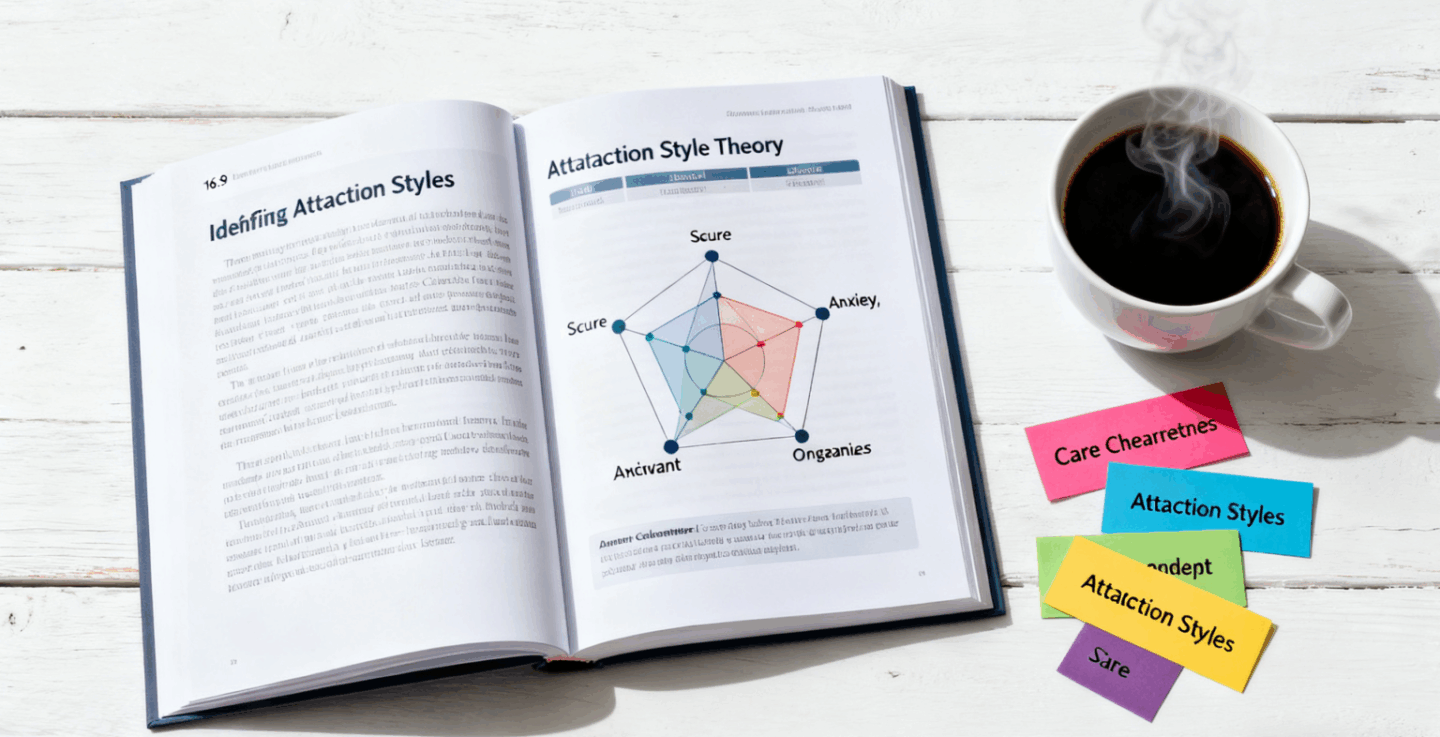
Through extensive research, psychologists have categorized adult attachment into four core styles. Each style is like a unique “relationship instruction manual,” hiding your needs, fears, and coping methods in intimacy.
The first is secure attachment (accounting for about 50%), which can be called the “stabilizer” in relationships. People with this style can openly show vulnerability and also know how to give their partner space. For instance, after a fight, they won’t choose the silent treatment or overreact; instead, they take the initiative to communicate: “I’m a bit upset right now, but I want to hear your thoughts and solve this problem together.” Because their needs were often met in childhood, they firmly believe intimate relationships are safe in adulthood—they won’t doubt their partner’s love over small conflicts, nor misinterpret their partner’s alone time as abandonment.
The second is anxious attachment. People with this style are often trapped in the fear of abandonment. They tend to magnify their partner’s minor oversights: late replies to messages are interpreted as “not caring,” and distracted moments during dates are seen as “not loving them.” A colleague of mine, when in a relationship, demanded at least 3 video calls a day. When the other person didn’t answer, they sent a flood of messages, which only pushed their partner further away. The root cause lies in their childhood: most of them experienced “hot-and-cold” responses from caregivers. As adults, they try to prove they are loved by “excessively seeking attention,” but this often backfires.
The third is avoidant attachment. People with this style are like “loners” in relationships, always hiding their vulnerability behind coldness. They resist expressing their needs and subconsciously avoid intimacy: they turn away when their partner hugs them, and brush off their partner’s confessions with “don’t overthink it.” A friend once blamed a breakup on their ex being “too clingy,” but in reality, they were afraid of losing themselves by relying on others. The root cause is that in childhood, they were often told “don’t cry, be strong,” or their emotional needs were frequently ignored. Over time, they developed a psychological defense mechanism of “not relying = no hurt,” and gradually lost the ability to express vulnerability.
How to Accurately Identify Your Attachment Style? 2 Practical Methods
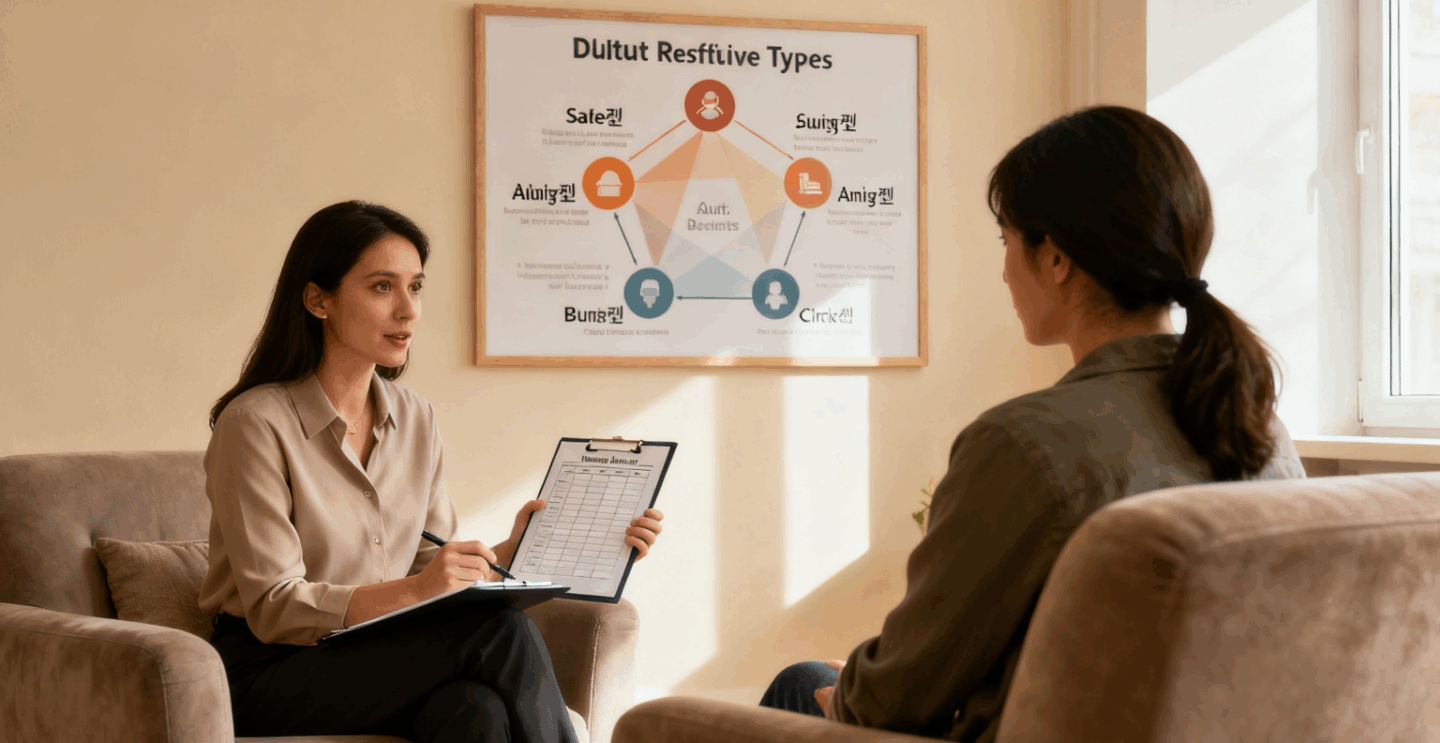
Many people instinctively “label themselves” after learning about attachment styles, but they often misjudge—for example, mistaking “occasional need for alone time” as avoidant attachment, or “occasional anxiety” as anxious attachment. In fact, identifying attachment styles requires analyzing long-term behavioral patterns, and these two methods can help you judge more accurately.
The first method is to “recall your ‘separation reactions’ in childhood”. Attachment styles are mainly formed in childhood, especially reflected in how you responded to separation: when your parents went on business trips as a kid, did you cry and beg them to stay, or stay alone quietly? When they returned, did you hug them immediately, or pretend to be indifferent?
Children with secure attachment feel sad but accept the separation, and hug happily when reunited; those with anxious attachment cry and accuse: “Why did you leave me?”; those with avoidant attachment stay calm and even avoid active contact; those with disorganized attachment waver between approaching and withdrawing. These childhood reactions are the “prototype” of your relationship patterns in adulthood.
The second method is to record “emotional triggers” in relationships. Spend 5 minutes each day reflecting: when your partner works overtime unexpectedly or changes plans, do you “gently ask about their needs” (secure), “angrily accuse them of neglecting you” (anxious), “show no obvious emotion and arrange your own things” (avoidant), or “swing between emotions” (disorganized)? By recording for a week, you can capture your subconscious fixed response pattern when facing “uncertainty” in the relationship—and this is the key behavioral signal to identify your attachment style.
Mismatched Attachment Styles with Your Partner? How to Resolve Conflicts
The most likely cause of relationship troubles is a “mismatch of attachment styles”—for example, an anxious person paired with an avoidant person is like “one chasing for answers, the other hiding from pressure,” leading to increasingly fierce fights. However, partners with different attachment styles are not doomed to drain each other; the key is to find a “communication method that fits both sides.”
Conflicts between anxious and avoidant partners stem from differences in their need for pace. Take a couple as an example: the anxious partner craves immediate communication to resolve conflicts, while the avoidant partner needs time to calm down. At first, the two clashed due to misunderstanding. Later, they created “cooling-off rules”—the avoidant partner would explain in advance how much alone time they needed, and the anxious partner would arrange self-improvement activities during that period. Gradually, they resolved conflicts and reduced fights.
For pairs of anxious and secure partners, the core is that the anxious partner learns “self-soothing,” while the secure partner takes the initiative to show care. The anxious partner needs to restrain the urge to excessively seek security—for example, when the other person doesn’t reply to messages promptly, try deep breathing and self-affirmation instead of pressing for answers eagerly. The secure partner can reduce the other’s anxiety by sharing their schedule in advance and promising to stay in touch.
For pairs of avoidant and secure partners, the focus is that the secure partner should give the avoidant partner “gentle encouragement.” Avoidant people are not good at expressing vulnerability; secure people shouldn’t force them to “open up immediately,” but guide them in a “non-pressuring” way. For example, a secure person might say: “If you want to talk about what happened today, I’m here anytime; if you don’t, that’s okay too,” instead of “Why won’t you tell me anything?” When avoidant people feel “it’s safe to express vulnerability,” they will gradually be willing to open up.
Reshaping Attachment Patterns: Turning Relationships from “Internal Drain” to “Nurturing”
Many people ask: “If my attachment style is anxious/avoidant, will I never be able to change it?” The answer is no—attachment styles are not “fixed labels,” but “adjustable patterns.” Just like muscles can be strengthened through exercise, our attachment patterns can become more flexible and healthy through deliberate practice.
The first step is to “accept your attachment style and not deny yourself.” Anxious people shouldn’t call themselves “too clingy”; instead, tell themselves: “I just need a lot of security, and that’s not wrong.” Avoidant people shouldn’t blame themselves for being “too cold”; instead, understand: “I just hide because I’m afraid of getting hurt.” Self-denial only intensifies anxiety or avoidance, while self-acceptance is the starting point of change.
The second step is to “practice ‘new response patterns’ in small scenarios.” For example, anxious people can try waiting 30 minutes before sending another message when their partner replies late, instead of asking immediately. Avoidant people can try saying “I’m listening, keep going” when their partner shares their feelings, instead of brushing it off with “don’t overthink it.” Every time you successfully adopt a “new response,” reward yourself—like buying a favorite coffee—to gradually build “confidence in change.”
Changing attachment patterns takes time. Anxious people may still can’t help asking questions, and avoidant people may occasionally want to withdraw. But as long as you become more aware and make small adjustments each time, your relationship can shift from “internal drain” to “nurturing.” As a friend once said: “I used to blame relationship problems on the other person, but after learning about attachment theory, I realized that changing myself can improve the relationship. Now when I get stuck in a relationship, I’m no longer anxious because I hold the key to fixing it.”