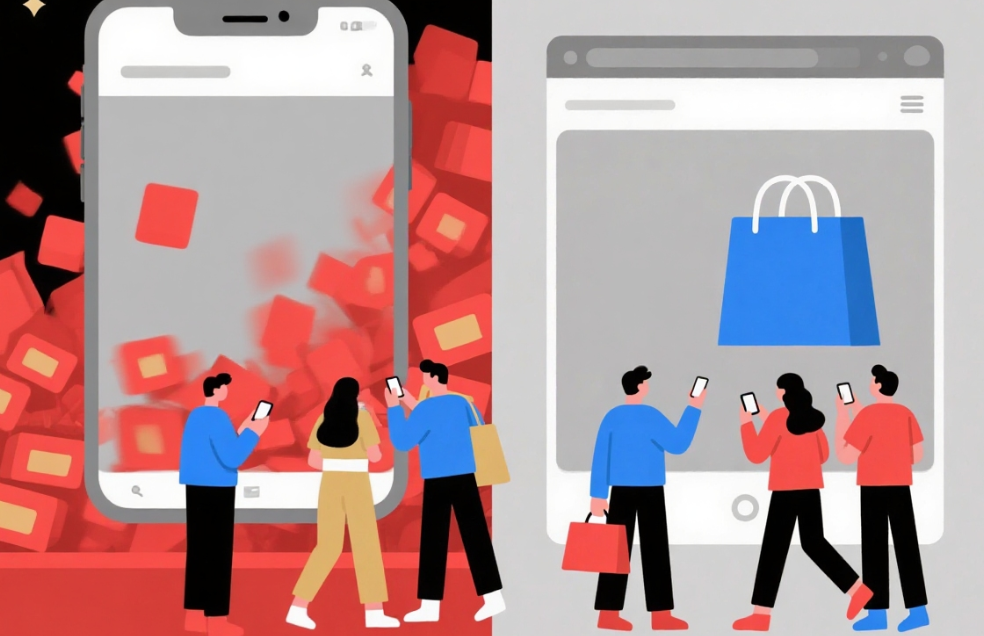
Preface: The Ghost of Shopping Festivals Past
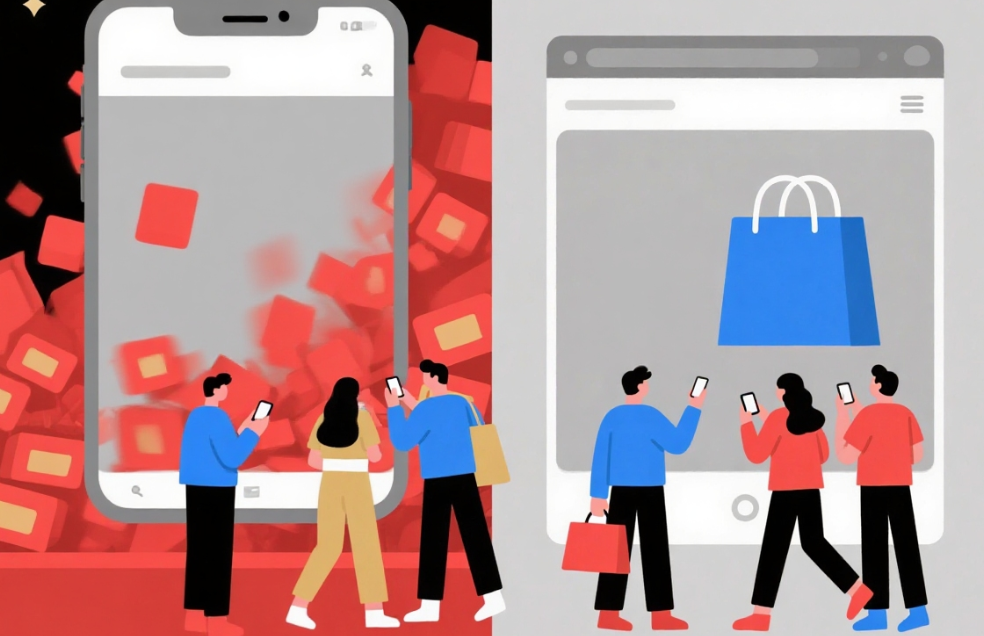
Remember the electric thrill of November 10th, 11:59 PM? The frantic countdown, the army of pre-loaded shopping carts, the sheer adrenaline of watching the Gross Merchandise Volume (GMV) ticker climb into the billions in mere minutes. For over a decade, the Double 11 Global Shopping Festival wasn’t just a sale; it was a cultural phenomenon, a national sport, a testament to the explosive power of Chinese consumerism. We were all participants in a grand spectacle of consumption, chasing lightning deals and reveling in the mountain of cardboard boxes that followed.
Well, let’s be real. It’s late 2025, and that era is over. The deafening roar has softened to a calculated murmur. The platforms, once boastful, have gone quiet, no longer flaunting their staggering GMV numbers in real-time. This silence is deafening, and it signals a profound shift not just in the economy, but in us—the shoppers. The game has changed. The mindless gold rush is done, replaced by a strategic expedition for true value.
This isn’t another list of “10 gadgets to buy.” This is a new playbook. This is your Double 11 buying guide for the new reality, designed to help you navigate the complex, often deceptive, landscape of the modern sales festival. It’s not about buying more; it’s about buying smarter than ever before.
The Sobering Reality: Why “Mindless Shopping” Is a 2015 Thing
What exactly killed the frenzied, buy-everything-in-sight version of Double 11? It wasn’t one single event, but a perfect storm of economic reality and evolving consumer consciousness.
First, the macroeconomic climate has pumped the brakes on runaway spending. After years of double-digit expansion, China’s e-commerce growth has matured, settling into a more sustainable, single-digit pace. A 2024 report from Bain & Company highlighted this trend, noting that consumers are now “more discerning and value-conscious.” The days of “revenge spending” are a distant memory. Today’s shopper is dealing with a world of economic uncertainty, and their wallet reflects that. They ask not just “Do I want this?” but “Do I truly need this, and is this the absolute best value I can get?” This isn’t a “consumption downgrade,” as some call it; it’s a “consumption upgrade”—an upgrade in thinking.
Second, the monopoly of the giants is crumbling. For years, Double 11 was synonymous with Tmall and JD.com. Now, the battlefield is fragmented. Social commerce platforms, most notably Douyin (TikTok’s counterpart in China), have bulldozed their way into the e-commerce arena. Data from China’s Ministry of Commerce showed that livestreaming e-commerce was already a market worth over ¥2.2 trillion in 2023 and has only grown since. This means deals are no longer centralized. They’re scattered across dozens of apps, in countless livestreams, creating a paradox of choice that is both liberating and utterly exhausting. The simplicity of camping out on one app is gone.
This new environment is a minefield of “phantom discounts,” complex promotional rules, and algorithm-fueled temptations. The platforms are fighting harder than ever for a smaller piece of a more cautious pie. For the unprepared shopper, this is a recipe for wasted money and post-purchase regret. But for the prepared shopper, it’s an opportunity.
The New Battlefield: Your Ultimate Double 11 Buying Guide for 2025
Winning Double 11 in 2025 isn’t about having the fastest fingers at midnight. It’s about strategy, discipline, and a healthy dose of skepticism. Here are the new rules of engagement.
Rule #1: The “Pre-Game” Is Everything – Ditch the Wishlist, Build a “Need-List”
The “wishlist” is a psychological trap. It’s a digital scrapbook of fleeting desires, fueled by targeted ads and influencer posts. This Double 11, delete it. Instead, create a “Need-List.”
This requires a simple but powerful audit of your life. Walk through your home, room by room.
· Kitchen: Is your non-stick pan scratched and flaking? Is your stock of olive oil, soy sauce, or premium coffee beans running low?
· Bathroom: Look at your skincare. What products will you run out of in the next three to six months? Now is the time to restock your trusted daily-use items, not to experiment with a trendy new serum you saw once.
· Closet: Don’t just browse for new clothes. Identify the gaps. Do you need a solid pair of waterproof boots for the winter? Has your favorite white t-shirt seen better days?
· Digital Life: Are any of your annual software subscriptions (like Adobe Creative Cloud, Microsoft 365, or even your VPN) up for renewal? Sales festivals are often the best time to lock in a yearly discount.
A Need-List transforms you from a passive target of marketing into an active, mission-oriented hunter. You’re not just “shopping”; you’re “procuring.”
Rule #2: Master the Art of Price Forensics
The single biggest lie of any sales festival is the “original price.” Platforms and sellers have been known to inflate prices in the weeks leading up to a sale, only to “slash” them for a discount that is mediocre at best. The China Consumers Association has issued warnings about this practice year after year.
Your best weapon is data. Use price history browser extensions. There are numerous third-party tools and mini-programs that integrate with Taobao and JD.com, showing you a graph of an item’s price over the last 30, 90, or 365 days. If you see the price spike in late October, only to drop back down for Double 11, you’re looking at a phantom discount. Close the tab and move on. Your goal is to find products whose sale price is the genuine low point for the entire year, not just a return to its normal price from September.
Rule #3: Embrace the Livestreaming Labyrinth (Smartly)
You can’t ignore livestreaming—it’s the epicenter of Double 11 now. But you must learn to navigate it without getting swept away by the manufactured urgency. The top streamers create a high-pressure environment designed for impulse buys, with countdowns, “limited stock” alerts, and a charismatic host yelling “3, 2, 1, link is up!”
Use livestreams for what they’re good for: product demonstration and unfiltered reviews.
· Watch for a purpose: Go into a stream already knowing you’re interested in a specific product the host is featuring. Don’t just scroll aimlessly.
· Focus on the demo: How does the fabric of that sweater drape? How is the pigmentation of that eyeshadow? A good livestream can offer a much better sense of a product than static images.
· Mute the hype: Ignore the sales pitch and the frantic countdown. The information you need is in the product showcase, not the manufactured frenzy.
· Cross-reference: Just because a top streamer recommends it doesn’t mean it’s the best. While they’re demonstrating, have another tab open to check reviews from actual buyers on the platform.
Rule #4: The “Boring” Buys Are Your Biggest Wins
The sexiest deals are always on the latest smartphones, 8K TVs, and designer handbags. But often, the biggest financial wins are in the “boring” categories. Think about it: a 20% discount on a $1,000 phone saves you $200, one time. A 30% discount on your monthly household consumables saves you money every single day for a year.
This is where your Need-List pays off. Focus your budget on high-quality, bulk items that you will definitely use.
· Household Consumables: Laundry pods, dishwashing tablets, bulk paper towels, trash bags.
· Pantry Staples: High-quality cooking oils, imported pasta, coffee beans, tea.
· Personal Care: Your favorite shampoo, toothpaste, body lotion. Buying a year’s supply at a 30-40% discount is a massive win.
· Pet Supplies: This is a huge one. Premium pet food and cat litter are expensive recurring costs. Double 11 is the perfect time to stock up.
Saving $300 on boring necessities over the year is the same as saving $300 on a flashy gadget. In fact, it’s better—it’s money you were guaranteed to spend anyway.
Beyond the Cart: The Hidden Costs of Double 11
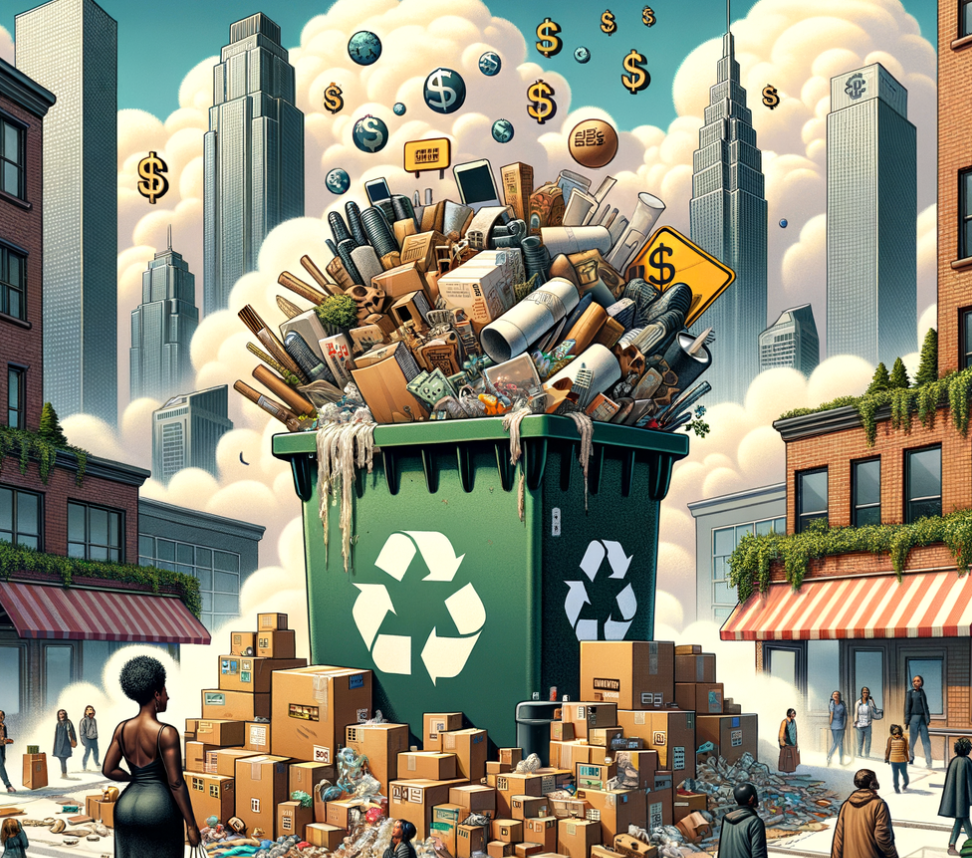
A truly smart shopping strategy for 2025 goes beyond just financial cost. We’ve become increasingly aware of the other tolls these massive sales events take.
The environmental cost is staggering. Think of the sheer volume of single-use materials. China’s State Post Bureau has reported that hundreds of billions of packages are shipped during the peak sales period. While platforms and logistics companies are making strides in “green packaging,” the mountain of cardboard, plastic tape, and styrofoam is still immense. Buying with intention—consolidating orders and avoiding small, frivolous purchases—is a small but meaningful way to reduce your personal footprint.
Then there’s the mental health cost. The constant notifications, the pressure to not miss out (FOMO), the hours spent comparing complex coupons and rules—it leads to decision fatigue and anxiety. Sticking to your Need-List isn’t just a financial strategy; it’s a mental health strategy. It gives you permission to ignore 99% of the noise and focus only on what matters, liberating you from the tyranny of infinite choice.
Conclusion: The Future of Shopping Is… You
Double 11 is not dead, but it has been reborn. It has shape-shifted from a wild, collective frenzy into a deeply personal, strategic exercise. The power is no longer solely in the hands of the platforms with their algorithms and manufactured hype. The power is back in your hands.
The future of shopping isn’t about finding the most deals; it’s about defining your own needs. It’s about using data to your advantage, resisting psychological manipulation, and understanding the true cost of your consumption. It’s about making conscious, deliberate choices that add genuine value to your life, not just temporary clutter to your home.
This year, don’t just participate in Double 11. Conquer it.
So, I have to ask: What’s the number one “smart buy” on your Need-List this year? Or are you choosing to sit this one out entirely? Share your strategy in the comments below