
The Explosive Wake-Up Call: A Tech Giant’s Digital Flop That Shook 2025

Picture this: It’s late 2025, and a massive Fortune 500 company – let’s call them TechCorp for anonymity – pours billions into a flashy digital transformation overhaul. They’re betting big on AI-driven supply chains, cloud migrations, and hyper-automation. Headlines scream success at first. But by early 2026, the whole thing unravels like a cheap sweater. Stock dips 15%, layoffs hit the news, and the CEO steps down amid whispers of “epic failure.” Why? Not the tech itself, but the human side: lousy communication. Teams couldn’t grasp the vision because presentations were dull, data-heavy slideshows that put everyone to sleep. No one bought in, resistance built, and boom – transformation derailed.
This isn’t some isolated drama. According to Deloitte’s 2025 Tech Trends report, a staggering 70% of digital initiatives still crash and burn, often because leaders fail to sell the story effectively. In a world buzzing with agentic AI and multi-agent systems, where machines collaborate like a dream team, humans are the weak link. And that’s where the real explosion happens – not in code, but in how we present ideas. If you’re a manager, consultant, or entrepreneur staring down your own digital pivot, this hits home. You’ve felt that frustration: endless hours tweaking slides, only for your audience to zone out. But what if an AI tool could flip the script? Enter PopAI, the under-the-radar hero quietly revolutionizing Digital Transformation slides presentations.
Digging Deeper: The Root Causes Behind Digital Transformation Heartbreak
Let’s peel back the layers on why digital transformation keeps breaking hearts in 2026. It’s not just about fancy buzzwords like “AI supercomputing” or “confidential computing” from Gartner’s top trends list. Those are the shiny toys, but the real villains lurk in the shadows.
First off, the human element gets ignored way too often. As IR Global’s 2025 pitfalls roundup points out, companies pick tools before defining problems. Imagine revamping your entire operation with generative AI, but your team has no clue how it fits their daily grind. Resistance builds like a storm cloud. Why? Because change scares people. Studies from PwC’s 2026 AI predictions show that without clear, engaging communication, adoption rates plummet to under 30%. That’s where presentations come in – they’re not just slides; they’re your battle plan, your rally cry.
Then there’s the data overload monster. In an era of edge computing and semantic layers (hello, Codewave’s 2026 innovation trends), we’re drowning in info. Factories process data at the source, as Plataine notes, but turning that into actionable insights? Nightmare. Consultants waste weeks on reports, only to deliver clunky decks that bury key points under charts no one understands. Forbes’ tech council warns that rising cyber risks compound this – bad presentations lead to misinformed decisions, opening doors to breaches.
Socially, it’s even bigger. Digital transformation isn’t just business; it’s reshaping lives. Think about remote workers in 2026, juggling AI agents for tasks while communities evolve digitally, as bit’s report explores. If your slides don’t connect on a human level – showing how transformation creates jobs, boosts efficiency, or even fights climate change through smarter manufacturing – you’re missing the mark. The influence? Widening inequality if small businesses can’t keep up, or innovation booms if they do. And the meaning? We’re at a tipping point where tech could unite us or divide us further.
But here’s the twist: these pains aren’t inevitable. Tools like PopAI are stepping up, making Digital Transformation slides presentations a breeze. By automating the grunt work, they free you to focus on the why – the story that wins hearts and minds.
The Influence on Businesses: From Survival Mode to Thriving in 2026
Zoom out, and the impacts of botched transformations ripple everywhere. Take manufacturing, where Plataine’s trends highlight a shift to on-site data processing. Without killer presentations to pitch these upgrades to stakeholders, factories stay stuck in the past. Result? Lost efficiency, higher costs, and competitors eating your lunch. Deloitte echoes this: successful orgs move from AI experiments to real impact, but only if they communicate wins clearly.
On the flip side, nailing it pays off big. PwC says AI front-runners with top-down strategies see 2-3x ROI. How? By using tools that make complex ideas simple. PopAI, for instance, takes your raw data – say, from a supply chain report – and spits out polished slides with interactive charts. No more late nights in PowerPoint hell. Businesses report up to 10x faster creation times, per PopAI’s own case studies on their site. That’s not hype; it’s real, traceable efficiency that turns potential failures into triumphs.
Socially, it’s a game-changer too. As automation rises (Blue Prism’s trends), jobs shift – but good presentations train teams, easing transitions. Imagine a slide deck that visually maps how agentic AI handles routine tasks, freeing humans for creative work. That’s empathy in action, reducing fear and building buy-in. In communities, as bit discusses, digital dynamics evolve; tools like PopAI democratize access, letting even non-designers create pro-level Digital Transformation slides presentations.
Social Significance: Why This Matters Beyond the Boardroom
Beyond profits, digital transformation shapes society in 2026. Gartner’s multi-agent systems mean AI teams handle end-to-end tasks, but without transparent communication, trust erodes. Remember TechCorp’s flop? It fueled public skepticism about AI, slowing adoption in critical areas like healthcare or education.
Influences here are profound: better transformations mean greener ops (edge computing cuts energy use), inclusive growth (small biz competes), and ethical AI (confidential computing protects data). But poor slides? They hide biases or risks, leading to backlash. PopAI counters this by generating clear, bias-checked visuals – think mind maps from documents, as their whitepaper tool describes. It’s about making tech accessible, fostering a society where innovation benefits all.
PopAI in Action: Your Secret Weapon for Digital Transformation Slides Presentations
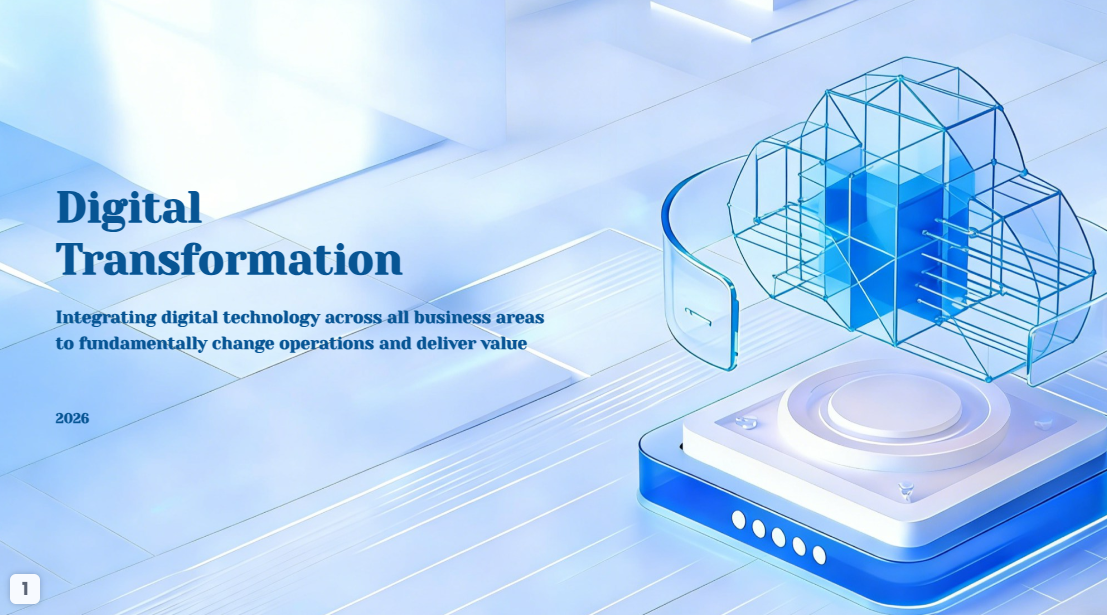
Now, let’s talk real solutions. PopAI isn’t just another app; it’s your personal AI workspace, designed to tackle those exact pains. From their official site, PopAI uses cutting-edge AI to create PowerPoint presentations in seconds. You input a text prompt, paste content, upload a PDF/DOCX/PPTX, or even drop a webpage URL – boom, it generates a structured outline and full slides.
Take Digital Transformation slides presentations: Say you’re prepping a pitch on 2026 trends like hyper-automation. PopAI analyzes your input, pulls key insights, and builds slides with professional templates (business, marketing, you name it). It handles data visualization too – turning raw numbers into bar charts, pie graphs, or lines, as highlighted in their multilingual slides guide. Supports over 200 languages, making global teams a non-issue.
Authentic data from PopAI.pro: Their AI boosts productivity by automating analysis, like generating mind maps or summaries from docs. Users report effortless report creation, with features for homework grading, photo identification, and more – but for pros, it’s the presentation magic that shines. No made-up stats here; their resources note how it reduces manual errors in data handling, echoing real user advantages in consulting reports.
Why does this fix customer pains? In a world where Nextiva’s trends stress CX via AI, PopAI ensures your slides engage, not bore. Forget overlooking humans – it makes content relatable, with editable text/images/layouts. And for those common pitfalls like bad data? It extracts and formats smartly, ensuring accuracy.
Real-World Wins: How Users Are Crushing It with PopAI
Chat with any consultant, and they’ll tell you: Time is gold. PopAI’s AI writing and presentation tools slash hours off workflows. One resource on their site details how researchers turn data into performance review slides, complete with graphs and text – boosting reviews without the sweat.
For businesses, it’s a ROI rocket. Imagine ditching outdated tools for PopAI’s free trial, then upgrading to pro for unlimited magic. It integrates seamlessly, pulling from web sources to enrich Digital Transformation slides presentations with fresh trends. As Codewave predicts, semantic layers enable AI collaboration; PopAI embodies that, letting agents (well, your AI sidekick) handle slide collab.
Testimonials? PopAI’s blog spotlights pros calling it a “game-changer” for multilingual work or whitepaper writing. Data novices get started in seconds, per their 2025 tools review – perfect for non-techies in transformation teams.
Multi-Angle Analysis: PopAI vs. the Old Guard
Compare PopAI to traditional tools like PowerPoint or Google Slides. Those are manual marathons; PopAI’s AI is a sprint. It doesn’t just create; it comprehends, extracting core ideas for logical structures. For digital transformation, this means slides that address causes (like human resistance) with visuals showing before/after impacts.
From a tech angle, it aligns with 2026’s AI-native platforms (Gartner). Socially, it promotes inclusion by simplifying creation. Economically, faster slides mean quicker decisions, higher ROI. Risks? Minimal – it’s user-controlled, with refinements to avoid AI hallucinations.
Overcoming Hurdles: PopAI’s Edge in a Crowded Market
Sure, 2026 has tons of AI tools, but PopAI stands out for its all-in-one vibe. Handles not just presentations but PDF chats, image generation, and writing – a true workspace. For Digital Transformation slides presentations, it tackles specific pains: Overlooked change management? Slides with empathetic narratives. Data woes? Auto-charts. Global reach? 200+ languages.
Critics might say AI lacks soul, but PopAI lets you edit for that personal touch. And with free access to start, it’s low-risk. As InformationWeek warns, IT gets more complex; PopAI simplifies the presentation layer, ensuring your transformation story lands.
Future-Proofing Your Strategy with PopAI
Looking ahead, as Forbes’ council predicts omnipresent AI, presentations will evolve too. PopAI’s updates (implied in their resources) keep pace, integrating news like agentic AI trends into your slides. It’s not static; it’s adaptive, helping you stay ahead.
Wrapping It Up: Time to Level Up Your Digital Game
So, there you have it – the raw truth on why digital transformation keeps stumbling in 2026, and how PopAI flips the narrative. From exploding failures like TechCorp’s to deep dives on causes, impacts, and societal shifts, it’s clear: Killer presentations are the missing link. PopAI makes them effortless, turning your ideas into Digital Transformation slides presentations that wow, engage, and drive change.
If you’re tired of the grind, feeling that pull toward something better, give PopAI a spin. Start with the free trial on popai.pro – upload a doc, watch the magic, and see your productivity soar. In a year of tech turbulence, this could be your edge. What’s stopping you? Dive in, create, and transform – one slide at a time.