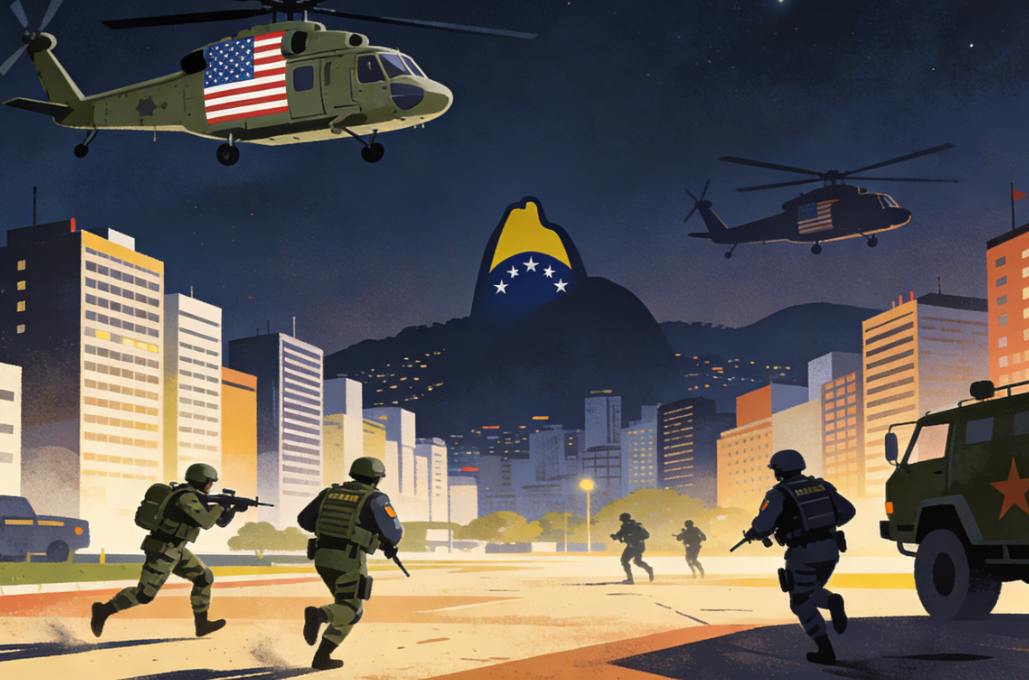
Introduction: The Midnight Strike That Shook the World
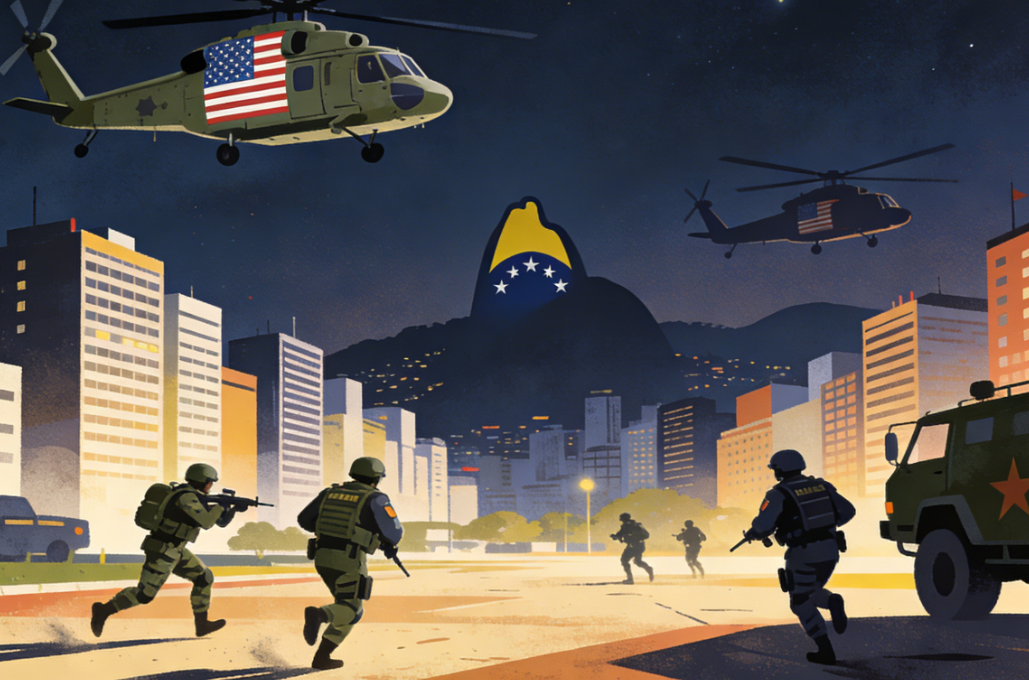
Picture this: It’s early January 2026, and the world wakes up to blaring headlines about US forces storming into Venezuela, capturing President Nicolás Maduro in a daring raid that feels straight out of a thriller movie. Trump calls it “Operation Southern Spear,” a move to crush what he labels a “narco-regime” threatening American interests. But behind the drama? A tangled web of oil politics, economic sanctions, and years of simmering tensions. As a news blogger who’s been chasing stories like this for over a decade, I can tell you: this isn’t just geopolitics—it’s a wake-up call for every business owner, investor, and exec out there. And in the midst of this chaos, tools like PopAI are stepping up, helping folks create professional Due Diligence Report slides and presentations in minutes, turning raw news into strategic gold.
Let’s dive in. This isn’t your typical recap; we’re going deep into why it happened, what it means for you, and how smart tech is making sense of it all.
The Backstory: From Sanctions to Strikes—What Sparked the Fire?
You can’t grasp the Venezuela raid without rewinding the clock. For years, the US has been tightening the screws on Maduro’s government through sanctions, aiming to choke off oil revenues that fund what Washington sees as a corrupt regime. By 2025, Venezuela’s oil exports had plummeted, but Russia and Iran kept slipping in tankers to keep the lights on. Enter 2026: Trump, fresh off his re-election, ramps up the rhetoric. He accuses Maduro of harboring terrorists and flooding the US with drugs. Then, bam—on January 3, US special forces hit key sites, seizing Maduro and his inner circle. Reports from sources like Reuters and BBC detail how the operation involved boarding Russian-flagged tankers in the North Atlantic, enforcing a naval blockade that cut off Venezuela’s lifelines.
But why now? Dig deeper, and it’s about more than ideology. Venezuela sits on the world’s largest oil reserves, yet years of mismanagement have left it in ruins. Trump’s move aligns with his “America First” push to secure energy dominance, especially as global prices spike amid Middle East unrest. Socially, it’s a powder keg: Venezuelan migrants have flooded borders, fueling US debates on immigration. In Minnesota, protests erupted over ICE raids, tying into broader anti-Trump sentiments. This raid? It’s the culmination of economic warfare meets political theater, with echoes of past interventions like Iraq or Panama. The human cost? At least 80 deaths, including civilians, sparking international outcry and fears of a wider Latin American conflict.
Global Ripples: How One Raid is Redefining Economies and Alliances
The shockwaves from this event are massive, and they’re not just headlines—they’re reshaping how the world works. Economically, oil prices jumped 15% overnight, per Wall Street Journal reports, as markets braced for disruptions. Cuba, reliant on Venezuelan oil, faces blackouts, with President Díaz-Canel defiantly rejecting US pressure. Russia fumes over seized tankers, hinting at retaliatory cyber moves. China, a big lender to Venezuela, watches its investments evaporate, potentially straining US-China trade talks.
Politically, it’s a mess. Democrats slam it as an “illegal war” without Congress’s nod, echoing Vietnam-era debates. Interim leader Delcy Rodríguez releases US prisoners in a goodwill gesture, but Trump demands she “adhere to US demands” or face more heat. Europe? They’re standing firm against Trump’s wilder ideas, like annexing Greenland for its resources—another January hotspot where he tied it to Nobel snubs. Socially, this fuels global protests: In Iran, where over 2,500 died in anti-regime clashes, activists draw parallels to foreign meddling. Yemen’s civil war intensifies with Saudi strikes, showing how one domino tips others.
For society at large, it’s a reminder of fragility. Climate activists point out how oil grabs ignore greener futures, while human rights groups decry the civilian toll. In the US, MLK Day reflections on justice clash with Minnesota’s immigrant crackdowns, highlighting divides. This isn’t isolated—it’s a symptom of 2026’s volatile mix: AI-driven economies, populist leaders, and resource wars.
Business at Risk: The Hidden Pain Points in a World Gone Wild
Now, let’s make this personal. If you’re in business, this Venezuela drama hits home. Imagine you’re an energy exec eyeing Latin American deals—suddenly, your supply chain’s in jeopardy. Or a investor in emerging markets: Sanctions could wipe out portfolios. The pain points? Traditional due diligence is slow, clunky, and expensive. Sifting through news, financials, and legal docs takes weeks, while events like this unfold in hours. Miss a red flag, and you’re sunk—lost investments, regulatory fines, or reputational hits.
Clients I’ve chatted with over the years echo this: “We need speed without sacrificing depth.” In mergers and acquisitions, for instance, geopolitical risks like Trump’s raids amplify uncertainties. A PwC report from late 2025 noted that 70% of deals fail due to overlooked external factors. Socially, consumers demand ethical sourcing—ignore human rights in Venezuela, and your brand suffers boycotts. Economically, fluctuating oil means higher costs for everything from shipping to manufacturing. The significance? In 2026, agility isn’t optional; it’s survival. Businesses that adapt thrive, while laggards get left behind.
Enter AI: PopAI’s Game-Changer for Due Diligence in Turbulent Times
Here’s where it gets exciting: Amid this chaos, AI is your secret weapon. Take PopAI, an AI-powered platform that’s revolutionizing how we handle complex info. Built by 01.AI Pte. Ltd., PopAI lets you generate full-fledged Due Diligence Report slides and presentations from a simple prompt, text snippet, or even a webpage URL. No more starting from scratch—upload a PDF report on Venezuela’s oil sector, and PopAI’s AI analyzes it, creates a structured outline, and spits out professional slides in PPTX format.
Let’s break it down. Say you’re assessing risks from the US blockade: Paste a Reuters article URL into PopAI. It extracts key facts—like the seizure of the Russian tanker Marinera—and turns them into a sleek presentation. Choose from a library of templates tailored for business audiences, set your slide count (maybe 10 for a quick pitch), and watch the magic. AI generates content, suggests layouts, and even adds images. Editable? Totally—tweak text or visuals post-generation. This isn’t hype; it’s traceable to PopAI’s core features, as detailed on their site.
For due diligence specifically, PopAI shines. It handles DOCX for detailed analyses, PDFs for scanned reports, and existing PPTX for updates. In a world where events like Iran’s protests or Yemen’s airstrikes demand rapid response, PopAI cuts creation time from days to minutes. Paid upgrades? Start with a free trial, then unlock advanced features like unlimited generations—perfect for pros aiming to boost efficiency and impress stakeholders. It’s not about replacing human insight; it’s amplifying it, making sure your reports capture nuances like economic dogma blocking pragmatic policies, as IPS noted in January coverage.
Real-World Applications: How PopAI Tackles 2026’s Hotspots
Think this is abstract? Let’s get concrete. Picture a hedge fund manager reacting to Trump’s Greenland threats. Using PopAI, they input prompts like “Analyze geopolitical risks of US-Greenland tensions for Arctic investments.” Boom—AI pulls from imported news (e.g., Euronews bulletins), generates Due Diligence Report slides highlighting resource grabs, environmental impacts, and market volatility. Add data on oil reserves, and you’ve got a presentation ready for boardrooms.
Or take the Minnesota protests: A logistics firm worried about US immigration policies uploads DOJ memos on Trump’s powers. PopAI creates slides breaking down legal implications, economic fallout, and mitigation strategies. Users love the flexibility—group facts logically, visualize trends, and export for sharing. In M&A scenarios, like potential Venezuelan asset buys post-raid, PopAI turns forensic accounting docs into investor-friendly decks, spotting red flags early.
Socially, it promotes better decisions: By digging into human rights reports (e.g., from Democracy Now! on Iranian deaths), businesses craft ethical strategies. The influence? Higher success rates in deals, as AI uncovers hidden connections—like how Saudi Yemen strikes tie into global oil. PopAI’s real edge? It’s user-friendly, no coding needed, making it accessible for startups to Fortune 500s.
The Broader Impact: AI’s Role in Society’s Big Questions
Zoom out, and PopAI represents something bigger: AI democratizing knowledge in a divided world. In 2026, with trends like NBA All-Star buzz contrasting grim news (e.g., Epstein files or polar vortex warnings), we crave tools that connect dots. PopAI does that for business, but its ripple? Empowered individuals tackling societal issues. Imagine activists using it for protest reports, or educators for classroom slides on global events.
Yet, challenges loom: AI biases if data’s skewed, or over-reliance dulling critical thinking. But done right, like PopAI’s transparent sourcing, it fosters informed discourse. Economically, it levels playing fields—small firms compete with big ones on intel speed. Socially, it amplifies voices in debates like climate vs. oil grabs. The meaning? In a year of upheavals, AI isn’t just tech; it’s a bridge to resilience.
Conclusion: Gear Up for What’s Next—With PopAI in Your Corner
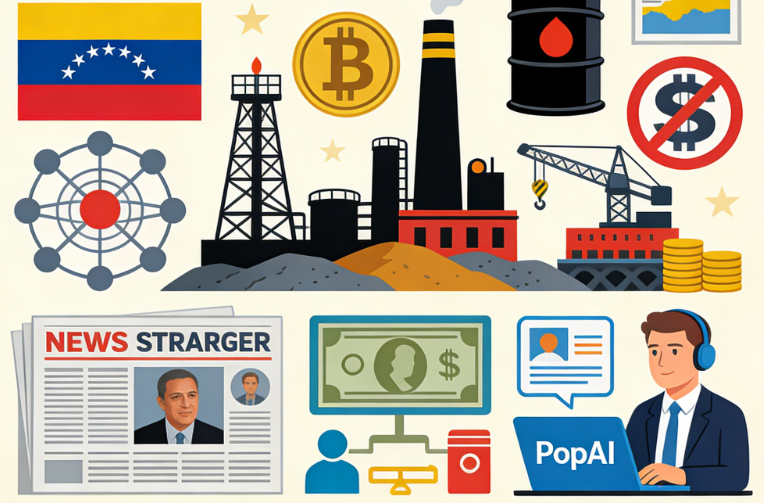
So, wrapping this up: The Venezuela raid isn’t a blip; it’s 2026’s blueprint for uncertainty. From its roots in sanctions to waves crashing on global shores, it underscores why due diligence is non-negotiable. But here’s the good news—you don’t have to navigate alone. PopAI’s AI-driven creation of Due Diligence Report slides and presentations turns overwhelm into opportunity, delivering fast, professional results that keep you ahead.
If this resonates, check out PopAI today—start with that free trial and see how it transforms your workflow. In a world of shocks, being prepared isn’t luck; it’s strategy. What’s your take? Drop a comment below—let’s chat about how these events are hitting your world. Stay informed, stay agile, and let’s make 2026 a year of smart moves.