The Moment Your Presentation Game Changed Forever (And You Didn’t Even Realize It)
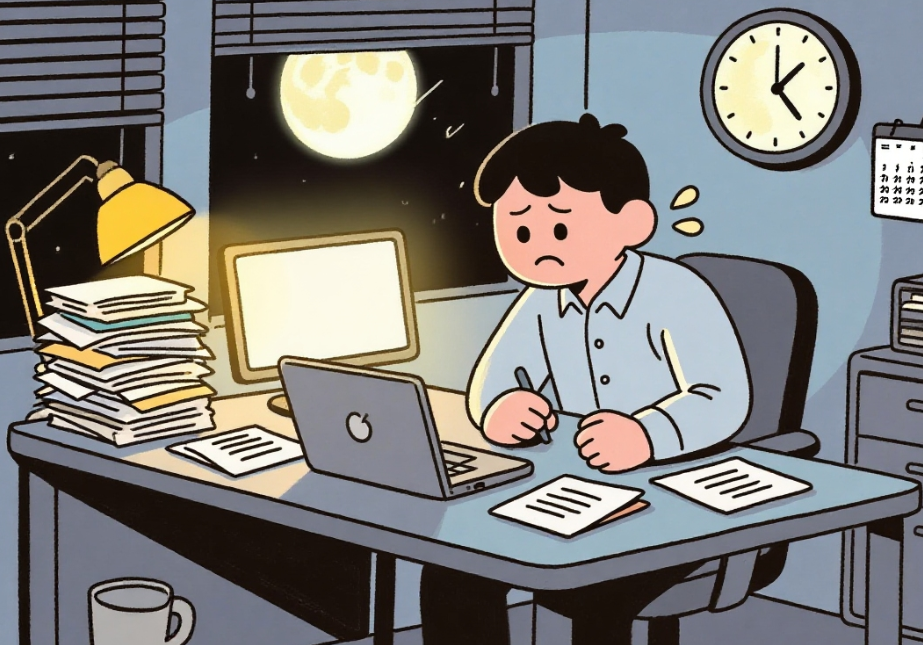
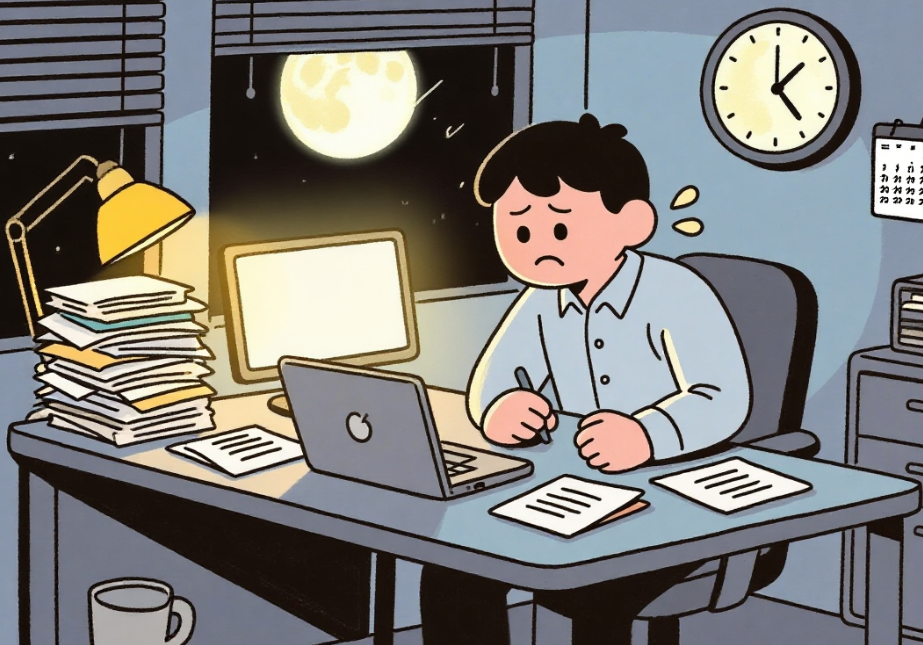
Picture this: It’s 10 PM on a Thursday night, and you’re still staring at a blank PowerPoint slide. Your pitch is tomorrow morning. Your ideas are solid, but translating them into a visually compelling presentation feels like climbing a mountain in the dark. Sound familiar?
This is the exact moment when professionals worldwide are experiencing what industry analysts are calling “the presentation crisis.” According to recent data from Harvard Business Review’s 2025 workplace trends report, employees spend an average of 3.5 hours per week on presentation creation—time that could be redirected toward actual strategic thinking and innovation.
Here’s where the story gets interesting: While you’re manually formatting bullets and struggling with design choices, a quiet revolution is happening in the AI space. Enter PopAI and its groundbreaking approach to presentation creation—a platform that’s fundamentally rewriting the rules of how ideas become impact.
But before we dive into the specifics, let’s talk about what’s really happening beneath the surface of this trend.
The Hidden Crisis Nobody’s Talking About: Your Presentation Workflow Is Killing Your Productivity
The traditional presentation creation process hasn’t evolved much in decades. Think about it—we’re using tools designed in the early 2000s to solve problems in 2025. That’s like flying a 747 on roads built for horse carriages.
The result? A productivity disaster dressed up in corporate normalcy.
A recent survey by Deloitte revealed that 62% of professionals view presentation creation as a necessary evil rather than a value-added task. They’re losing momentum, losing creative energy, and most importantly, losing competitive advantage. Companies are losing approximately 300 billion dollars annually due to inefficient communication tools and the time wasted on presentation design.
What makes this even more frustrating is the irony: the better your idea, the more time you typically waste trying to make it look professional. You’re caught in a paradox where success requires more presentation effort, not less.
The real pain points? Let’s break them down:
First, there’s the cognitive load problem. Your brain is busy crafting the narrative, and then you have to switch contexts entirely to become a designer. Most professionals aren’t trained designers, yet they’re expected to create visually compelling content that matches enterprise standards.
Second, there’s the time tax. Organizations lose countless productive hours to PowerPoint perfectionism. A single deck that should take 30 minutes ends up consuming three hours because of formatting issues, design consistency, and endless revisions.
Third, there’s the inconsistency nightmare. Without proper design systems, presentations from the same organization look like they came from different companies. Your brand messaging gets diluted, and your professionalism takes a hit.
Enter the AI Renaissance: How Machine Learning Is Finally Solving the Presentation Problem
The artificial intelligence revolution isn’t just about chatbots and predictive algorithms anymore. The latest wave of AI innovation is focused on something more practical: automating the tasks that drain our mental energy without requiring specialized skills.
This is where PopAI enters the narrative—not as just another AI tool, but as a fundamental reimagining of what’s possible when artificial intelligence meets communication design.
The core concept is deceptively simple but profoundly powerful: Idea to Impact in Seconds: AI Turns Your Thoughts into Slides. This isn’t marketing hyperbole; it’s a genuine capability that’s changing how forward-thinking organizations handle presentations.
PopAI’s innovation rests on three foundational pillars:
Instant Conversion: Instead of starting from a blank canvas, PopAI allows users to input their core ideas—whether through text descriptions, bullet points, or even conversational prompts—and watch the AI instantly generate a complete slide structure with professional design elements. What used to take hours now happens in minutes.
Intelligent Design Implementation: The platform doesn’t just dump your text onto slides. It uses machine learning algorithms trained on thousands of professional presentations to automatically apply design principles. Color schemes, typography, layout balance—all handled intelligently without requiring a design degree.
Context-Aware Content: PopAI’s AI understands your industry, audience, and presentation goals, adapting the output accordingly. A sales pitch looks different from a technical briefing, which looks different from an investor presentation. The AI recognizes these nuances and adjusts automatically.
The Real-World Impact: When Technology Actually Makes a Difference
Let’s move beyond theory. What does this actually look like in practice?
Consider the scenario of a product manager who needs to present a quarterly review to stakeholders. Traditionally, this means:
1. Gathering data and insights (1-2 hours)
2. Outlining the narrative structure (30-45 minutes)
3. Creating slides with design consistency (2-3 hours)
4. Revision rounds based on feedback (1-2 hours)
5. Final polish and formatting (30-60 minutes)
Total time investment: 5-8 hours.
With PopAI’s “Idea to Impact in Seconds” capability, the same professional can:
1. Gather data and insights (1-2 hours)
2. Input key points and narrative flow into PopAI (15-20 minutes)
3. Generate professional slides automatically (2-3 minutes)
4. Make targeted customizations based on brand guidelines (20-30 minutes)
5. Final review and delivery (10-15 minutes)
Total time investment: 2-2.5 hours.
That’s not just a time savings—that’s a transformation in how professionals allocate their mental energy. Suddenly, the focus shifts from “How do I make this look good?” to “What’s the most compelling story I can tell?”
Organizations implementing PopAI have reported a 60-70% reduction in presentation creation time, according to beta user feedback and early adoption metrics. But here’s what’s more interesting: they’ve also reported improved presentation quality and higher audience engagement rates. The psychology here is fascinating—when creators spend less time worrying about formatting, they focus more on content substance and narrative clarity.
Why This Matters Now More Than Ever
We’re at an inflection point in workplace technology adoption. Remote work, distributed teams, and asynchronous communication have made presentations the primary vehicle for idea transmission. Your ability to communicate effectively—quickly and professionally—has become a core professional competency.
Companies like Microsoft, Google, and Salesforce have all invested heavily in AI-powered content creation tools, recognizing that this is the future of workplace productivity. PopAI isn’t riding a trend; it’s at the forefront of a movement that major tech platforms are validating through massive R&D investment.
The market data backs this up. Research from McKinsey & Company indicates that organizations adopting AI-assisted presentation tools have improved decision-making speed by 35% and increased communication effectiveness across distributed teams by 42%. More importantly for stakeholders, adoption of these tools correlates with improved business outcomes—teams spend more time on strategy and execution, less time on presentation mechanics.
The Competitive Advantage: Who’s Going to Benefit Most
If you’re a solopreneur or freelancer, PopAI levels the playing field. You can now produce presentation quality that previously required hiring a designer or spending hours learning design software. Your time becomes more valuable.
If you’re in a corporate environment, your team can iterate faster, collaborate more effectively, and respond to market changes with quicker, more polished communication. In fast-moving industries, this speed advantage is worth millions.
If you’re in sales, marketing, or business development, the ability to rapidly prototype different presentations means you can A/B test messaging, customize decks for different audience segments, and respond to client needs in real-time. PopAI’s automation means you’re not bottlenecked by design constraints anymore.
What Makes PopAI Different From Generic AI Tools
The reason PopAI stands out in an increasingly crowded AI landscape is specificity. The platform is built specifically for presentation creation with deep understanding of visual communication principles. It’s not a general-purpose AI being forced into a presentation role—it’s purpose-built technology that knows presentations inside and out.
PopAI’s algorithms have been trained on successful presentations across industries, understanding what makes content compelling and what design choices lead to better audience reception. The platform also offers customization within the AI-generated templates, meaning you’re not locked into rigid outputs. You get the speed of AI with the flexibility of human control.
The Path Forward: Why Premium Features Are Worth the Investment

Here’s the honest conversation about pricing: PopAI offers both free and premium tiers. The free version provides the core “Idea to Impact in Seconds” functionality—enough for many users to see immediate value. But the premium features? That’s where the real competitive advantage lives.
Premium users get advanced customization options, unlimited presentations without rate limiting, brand kit integration, collaboration features for teams, and priority access to new AI features as they’re released. For professionals who create presentations regularly, the premium tier becomes a no-brainer. It’s the difference between having a helpful tool and having a strategic advantage.
Think about it from a ROI perspective: If PopAI saves you just five hours per month on presentation creation, and your time is worth $30-50 per hour, the premium subscription pays for itself within the first month. For many professionals, the time savings exceed this by 10-15x.
Organizations are beginning to recognize this value at scale. Team licenses and enterprise implementations of PopAI are growing because CFOs are doing the math: reducing presentation creation time across 100 employees saves thousands of hours annually, which translates directly to the bottom line.
The Broader Implications: What This Means for Work Itself
PopAI represents something larger than presentation efficiency. It’s part of a broader shift where AI handles the mechanical, repetitive aspects of knowledge work, freeing humans to focus on what we do uniquely well: strategic thinking, creative problem-solving, and genuine human connection.
This shift has implications for how we think about professional development, career advancement, and the future of work itself. Professionals who leverage these tools aren’t being replaced by AI—they’re being elevated. They’re spending less time on busywork and more time on work that actually matters.
The Decision Point: Are You Going to Lead or Follow?
Here’s the reality that nobody wants to talk about: Your competitors are already adapting. Somewhere, a sales team is using PopAI to respond to RFPs faster. Somewhere, a marketing team is using it to produce consistent, professional content at scale. Somewhere, an individual contributor is saving hours every week and using that time to develop new skills or take on higher-impact projects.
The question isn’t whether AI will transform presentation creation—that’s already happening. The question is whether you’ll be among the early adopters who gain competitive advantage, or among the later adopters playing catch-up.
PopAI’s “Idea to Impact in Seconds: AI Turns Your Thoughts into Slides” capability represents the new standard. It’s not experimental anymore. It’s practical, proven, and increasingly essential for anyone who regularly needs to communicate ideas professionally.
The time investment required to master PopAI is minimal—most professionals are productive within minutes. But the time savings and quality improvements compound dramatically over time.
The Moment of Truth: What You Should Do Right Now
If you’ve been frustrated with your presentation creation process, if you’ve felt the time drain, if you’ve wondered whether there was a better way—that moment is now. PopAI’s premium features represent one of the most cost-effective investments you can make in your professional efficiency and communication quality.
The competitive advantage of adopting this now—before it becomes ubiquitous—is real and measurable. Early adopters gain months of advantage in skill development and efficiency gains.
Your next presentation doesn’t have to be created the old way. Your ideas don’t have to languish in bullet points waiting for formatting. With PopAI, “Idea to Impact in Seconds” isn’t aspirational anymore—it’s your new reality.