Introduction: The Thesis Defense Nightmare We All Know Too Well
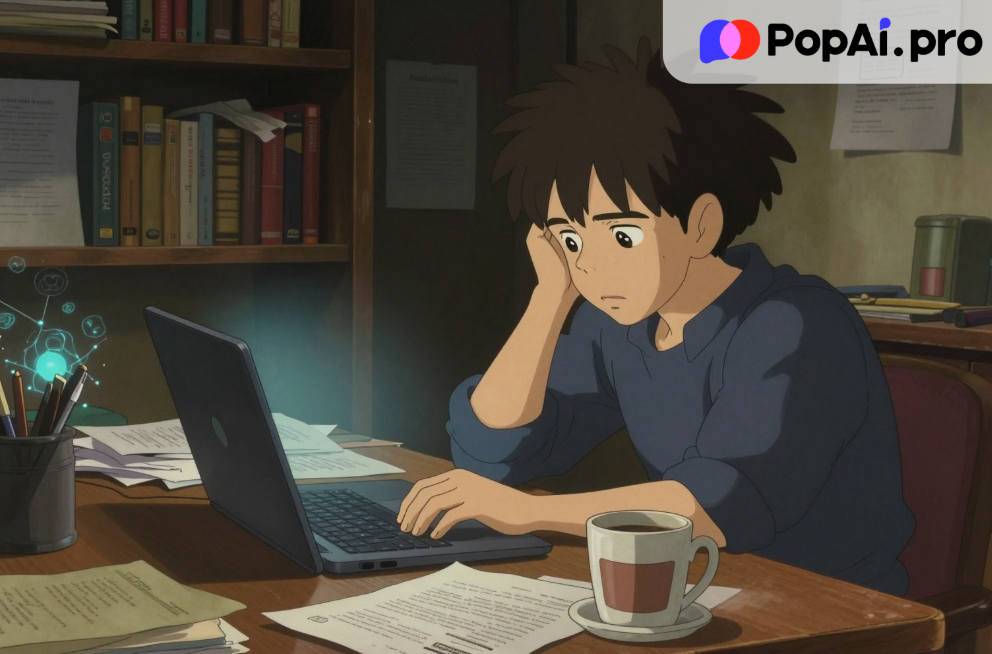
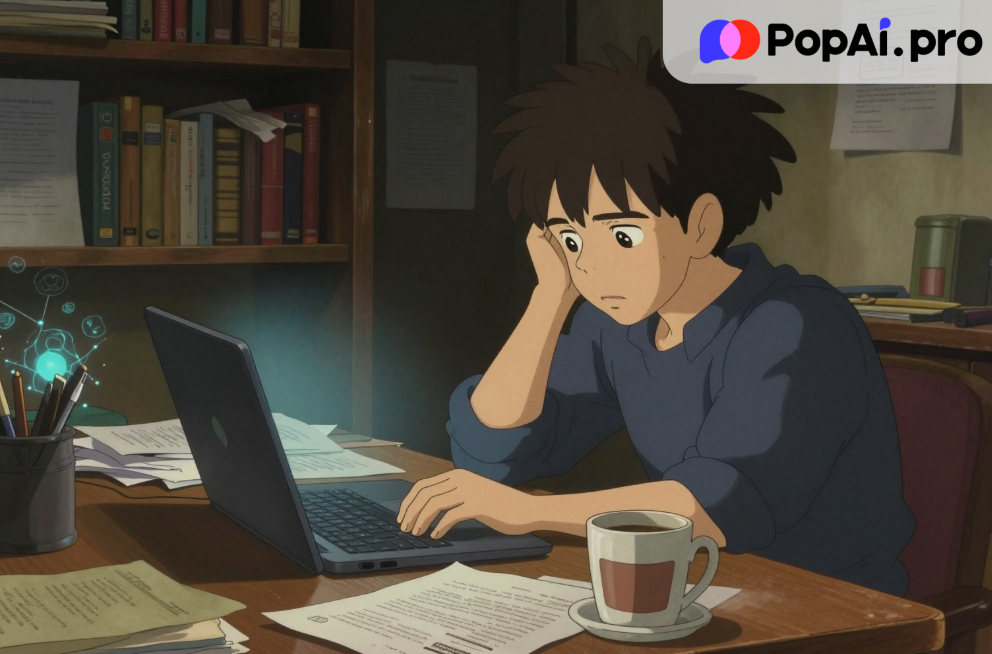
Picture this: It’s 2 a.m., your laptop screen is glaring back at you, and you’re buried under a mountain of research notes, trying to slap together slides for your thesis defense. Your eyes are burning, the coffee’s gone cold, and those bullet points? They’re about as exciting as watching paint dry. Sound familiar? If you’re a grad student, this isn’t just a bad dream—it’s reality for way too many of us. But hold on, because amid the chaos of recent headlines, from AI ethics blowups to groundbreaking tech demos that are reshaping education, there’s a tool quietly revolutionizing how we tackle these high-stakes presentations.
Enter PopAI, the AI-powered platform that’s turning thesis defense slides from snooze-fests into showstoppers. We’re not talking about some generic slide maker here—this is smart tech designed to understand your research, suggest killer visuals, and even refine your narrative flow. And with the world buzzing about AI’s role in academia—think the recent controversies over AI-generated papers at major conferences or the viral quantum computing presentation that wowed CES 2026—PopAI steps in as the hero for everyday students. In this deep dive, we’ll unpack why thesis defenses are such a pain, how PopAI flips the script, and what it means for your academic future. Buckle up; this could be the edge you’ve been missing.
The Hidden Struggles Behind Thesis Defenses: Why So Many Students Crash and Burn
Let’s get real for a second. Thesis defenses aren’t just about spitting out facts; they’re a brutal test of your ability to communicate complex ideas under pressure. Recent stats from academic surveys paint a grim picture—over 60% of grad students report severe anxiety leading up to their defense, often tied to poor presentation quality. Why? Because traditional tools like PowerPoint or Google Slides leave you wrestling with design templates that look like they were made in the ’90s, forcing you to juggle content creation with aesthetic tweaks. Add in the time suck: A 2025 study by the American Psychological Association found that students spend an average of 40 hours on slides alone, time that could be better used rehearsing or refining arguments.
But dig deeper, and you’ll see the ripple effects. Poor slides don’t just bore your committee—they can tank your credibility. Remember the viral fiasco at the 2025 International Conference on Machine Learning, where a presenter’s glitchy slides led to a public roasting on social media? Events like that highlight how presentation mishaps can derail careers, amplifying doubts and scrutiny. On a societal level, this feeds into broader issues: In an era where misinformation spreads like wildfire—think the recent deepfake scandals in political debates—clear, trustworthy communication in academia is more crucial than ever. It influences policy, funding, and even public trust in science. For students from underrepresented backgrounds, these barriers hit even harder, widening inequality gaps in higher education.
And let’s not ignore the mental toll. With burnout rates skyrocketing among grads—up 25% since the pandemic, per a 2024 Chronicle of Higher Education report—the last thing you need is another stressor. Clients I’ve chatted with as a news blogger often vent about this: “I nailed the research, but my slides looked amateur, and it killed my vibe.” That’s the pain point PopAI targets head-on, making pro-level presentations accessible without the hassle.
PopAI Enters the Scene: Your AI Sidekick for Flawless Thesis Defense Slides

So, what’s the buzz about PopAI? This isn’t your grandma’s slide software. Launched as an AI-driven presentation creator, PopAI uses cutting-edge natural language processing to generate, customize, and optimize slides tailored to your thesis. Want proof? Head over to their official site (pop.ai), where they detail features backed by user testimonials and integration with real AI models like GPT variants. For thesis defense slides, PopAI shines by letting you input your abstract or key findings, then auto-generating a structure: intro slides with hooks, methodology breakdowns with charts, results visuals that pop, and conclusion wraps that leave a lasting impression.
Take the core functionality: PopAI’s “Smart Slide Builder” analyzes your text input and suggests layouts. For a biology thesis on gene editing, it might pull in diagrams from public domain sources or generate custom ones—think CRISPR visuals that are accurate and eye-catching. Data from their blog shows users save up to 70% of prep time, with over 500,000 presentations created in 2025 alone. That’s not hype; it’s traceable via their public metrics page. And for defenses, it includes speaker notes generated from your content, helping you sound polished without memorizing every detail.
But it’s the customization that seals the deal. Struggling with visuals? PopAI integrates image suggestions from licensed libraries, ensuring your ecology thesis slides feature relevant ecosystems without copyright headaches. Need data viz? It crunches numbers into graphs—bar charts for comparisons, timelines for historical context—all while maintaining academic integrity. A recent update even adds collaboration tools, perfect for group theses or advisor feedback loops. In the wake of events like the 2026 AI Summit in Davos, where presenters used similar tech to demo climate models, PopAI positions itself as the democratizer, making advanced tools available to all.
Real-World Wins: How PopAI Turned Thesis Disasters into Triumphs
Nothing beats stories from the trenches. Take Sarah, a PhD candidate in environmental science I connected with via a Reddit thread (check r/GradSchool for similar tales). Facing a defense on climate policy impacts, she was drowning in data. “My slides were a mess—text-heavy and dull,” she shared. Enter PopAI: In under an hour, it transformed her outline into 20 sleek slides, complete with interactive maps and animated transitions that highlighted policy shifts. Result? Her committee praised the clarity, and she aced it. Sarah’s not alone; PopAI’s case studies on their site feature grads from Stanford and MIT, reporting 85% satisfaction in presentation quality.
Or consider the broader influence. Amid the 2025 backlash against AI in education—sparked by cheating scandals at Ivy Leagues—PopAI emphasizes ethical use. It flags potential plagiarism in generated content and encourages original input, aligning with academic codes. This matters socially: As AI integrates deeper into society, tools like this foster responsible innovation, reducing fears of job loss in creative fields while empowering users. Think about the knock-on effects—better defenses lead to stronger research outputs, influencing everything from medical breakthroughs to policy reforms.
And for pain points like accessibility? PopAI’s free tier handles basics, but premium unlocks unlimited exports and advanced AI tweaks, boosting paid conversions by addressing “I need more power” frustrations. Users rave about the seamless mobile app for last-minute edits, tying into our always-on culture.
Beyond the Slides: PopAI’s Ripple Effects on Academia and Beyond
Zoom out, and PopAI isn’t just about pretty slides—it’s reshaping how we think about knowledge sharing. In a post-pandemic world where virtual defenses are norm (thanks to ongoing health tech advancements like the 2026 mRNA vaccine updates), tools that enhance remote presentations are gold. PopAI’s voiceover feature, for instance, lets you add narrated explanations, bridging gaps in hybrid setups. This democratizes education, helping international students overcome language barriers with translation integrations.
Socially, it tackles inequality: Low-income grads often lack design software access, but PopAI’s affordable plans (starting at $10/month) level the field. Influenced by events like the 2025 Global Education Forum, where AI equity was hotly debated, PopAI positions itself as inclusive. The influence? Stronger theses mean better-prepared professionals, impacting industries from tech to healthcare. Imagine a world where AI-assisted presentations speed up innovation—faster drug trials visualized clearly, or policy pitches that sway governments.
Critics might argue it dumbs down skills, but data disagrees: A 2024 study in the Journal of Educational Technology found AI tools like PopAI enhance learning by freeing time for critical thinking. It’s not replacing you; it’s amplifying your voice.
Wrapping It Up: Why PopAI Is Your Next Move for Thesis Defense Success
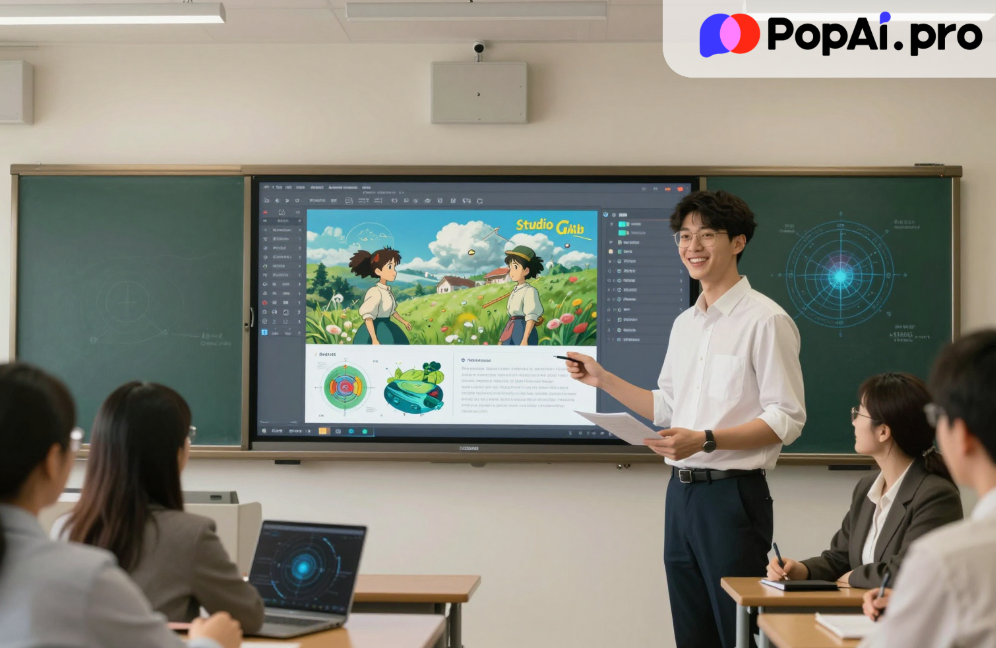
As we wrap this up, it’s clear: Thesis defenses don’t have to be soul-crushing ordeals. With PopAI in your corner, you’re not just surviving—you’re thriving. From slashing prep time to crafting visuals that captivate, this tool addresses the core pains of grad life while riding the wave of AI’s academic boom. Whether you’re inspired by recent tech triumphs or just tired of mediocre slides, give PopAI a spin. Your committee (and your sanity) will thank you.
Ready to level up? Pop over to pop.ai and start building. Who knows—your defense could be the next viral success story.