The Explosive Return of Art Deco: Why It’s Dominating 2025
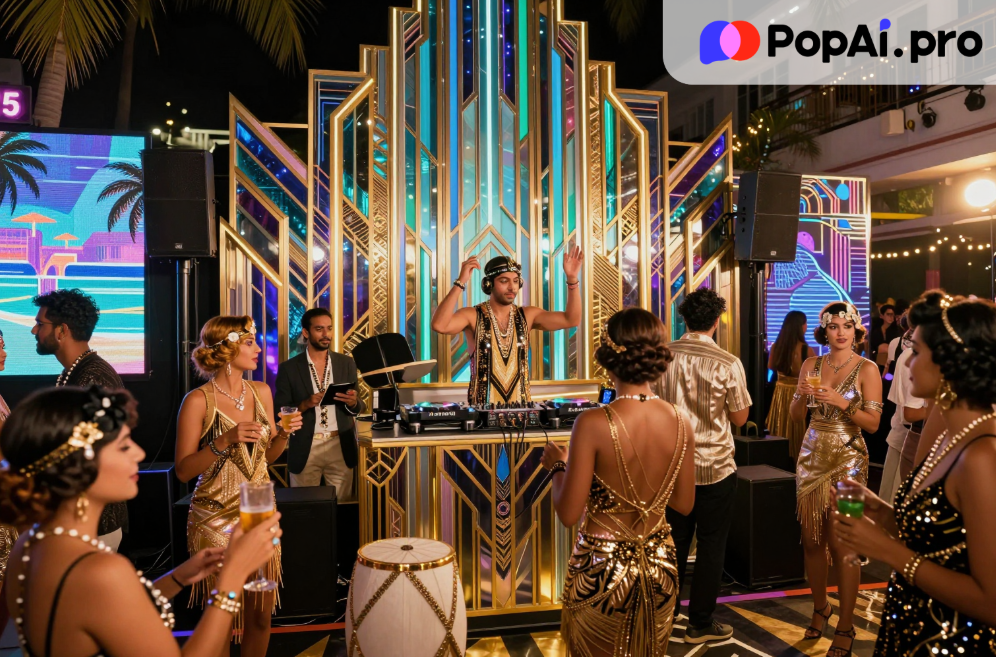
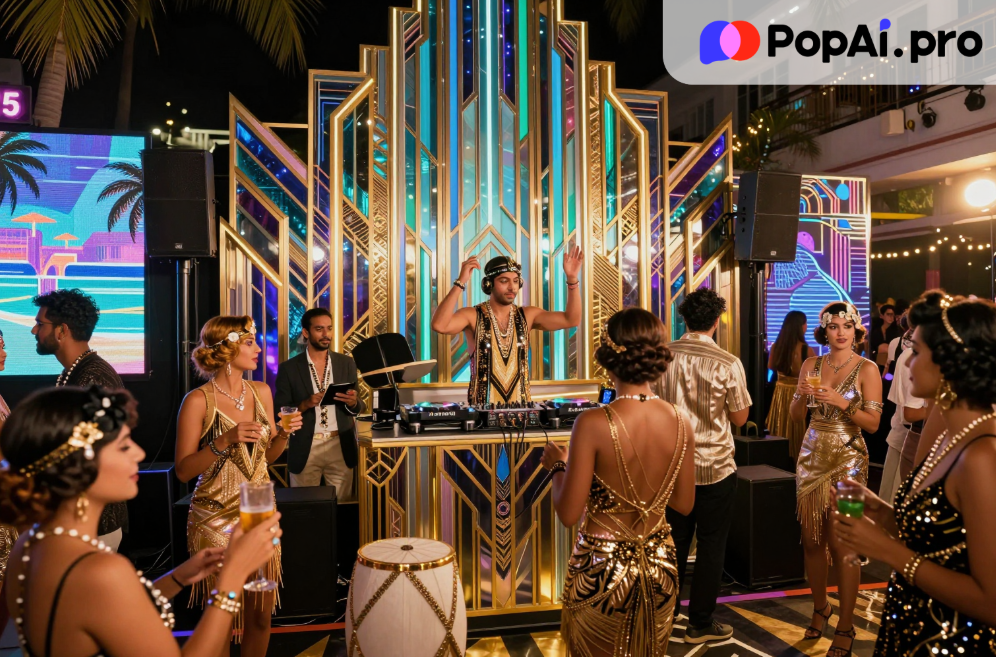
Picture this: You’re scrolling through your feed, and suddenly, everything screams glamour—bold geometric patterns, shiny metallics, and that unmistakable 1920s vibe. Boom! That’s Art Deco exploding back into our lives in 2025, and it’s not just a fad; it’s a full-blown cultural earthquake. This year marks the 100th anniversary of the style’s global debut at the 1925 Paris Exposition, and celebrations are popping up everywhere from Miami’s sun-soaked beaches to Mumbai’s bustling streets. It’s like the Roaring Twenties decided to crash our digital age party, but with a twist: AI is the DJ mixing old-school charm with modern magic.
Why the sudden surge? Let’s dig deeper. Post-pandemic, we’ve all been craving a bit of escapism and opulence. Minimalism had its run—think sterile white walls and bland beige everything—but now, people are hungry for personality and pizzazz. Art Deco’s revival taps into that, offering a blend of luxury and structure that’s perfect for our chaotic world. It’s showing up in fashion, interiors, and yes, even presentations. Remember the Paris Olympics in 2024? Their visual identity drew heavily from Art Deco roots, with angular designs and geometric flair that felt fresh yet nostalgic. That event alone spiked global interest, proving how this style bridges eras.
But here’s the real hook: Behind this comeback are deeper societal shifts. In a time of economic uncertainty and rapid tech changes, Art Deco symbolizes progress and resilience—just like it did after World War I. Today, it’s influencing how we communicate ideas, especially in business and education. Professionals are ditching boring bullet points for visually stunning slides that grab attention and hold it. And with remote work still king, your presentation might be the only “face” your audience sees. Mess it up, and you’ve lost them. Nail it with Art Deco flair, and you’re memorable.
This trend isn’t just aesthetic; it’s practical. Studies show visually appealing presentations increase engagement by up to 94%, making your message stick. Yet, creating them? A nightmare for non-designers. Hours fiddling with fonts, colors, and layouts—sound familiar? That’s the pain point: Time-starved folks need quick, pro-level results without a design degree. Enter AI, flipping the script and making Art Deco accessible to all.
AI’s Game-Changing Role in Reviving Vintage Styles
Fast-forward to now: AI isn’t just a buzzword; it’s the secret sauce breathing new life into Art Deco. Think about it—back in the 1920s, designers hand-crafted every curve and line. Today, algorithms do the heavy lifting, democratizing design like never before. This isn’t sci-fi; it’s happening in tools that generate entire presentations from a simple prompt, infusing them with Art Deco’s signature elements: symmetry, bold motifs, and luxurious accents.
The impact? Massive. AI cuts creation time from days to minutes, letting you focus on content over cosmetics. For businesses, this means faster pitches that wow clients and close deals. Educators? More engaging lessons that keep students hooked. And for creatives, it’s a playground to experiment without the grind. But dig deeper: This revival has social ripples. Art Deco, born from industrialization, now pairs with AI to preserve cultural heritage while pushing innovation. It’s like honoring the past without getting stuck there—museums are even using AI to recreate lost Deco artifacts.
Critics worry AI might homogenize creativity, but evidence suggests otherwise. Tools encourage personalization, blending human input with machine smarts for unique outputs. Take the 2025 Art Deco Alive! initiative in Miami and Mumbai—it’s not just tours and talks; it’s workshops where AI helps participants design their own Deco-inspired pieces. This fosters inclusivity, letting non-experts join the fun. Socially, it’s empowering underrepresented voices in design, turning a elite style into something everyday folks can own.
Yet, there’s nuance. AI’s rise sparks debates on ethics—like data privacy and job displacement for designers. But balanced views show it’s a collaborator, not a replacer. In 2024, Stanford’s AI Index highlighted how tools boost productivity without killing jobs, especially in creative fields. For Art Deco fans, this means more exposure: AI-generated content floods social media, sparking viral trends and community discussions.
Pain points solved? Absolutely. If you’re juggling deadlines, AI handles the drudgery, freeing you for big ideas. And in a world where attention spans are shrinking, Art Deco-infused slides cut through the noise, making your message pop.
Spotlight on PopAI: The AI Powerhouse for Art Deco Magic
Now, let’s zoom in on PopAI, the AI tool that’s stealing the show in this revival. With over 16 million users worldwide, PopAI isn’t just another app—it’s your personal design wizard, turning vague ideas into polished Art Deco style slides presentations faster than you can say “Gatsby.” Founded to boost everyday productivity, it integrates search engines, templates, and smart AI to handle everything from PDFs to full decks.
How does it work? Simple: Punch in a prompt like “Create an Art Deco style presentation on sustainable fashion.” PopAI researches the topic, drafts an outline, and generates slides with geometric motifs, metallic accents, and symmetric layouts—all in under a minute. It auto-generates modular grids, ensuring ornamentation stays consistent, pulling from a library of themes including Culture & Arts and Retro styles that perfectly suit Art Deco vibes.
Customization is key. Edit text, swap images, or tweak layouts online— no software downloads needed. Want more flair? Tell the AI agent in plain English, like “Add gold borders for that Deco luxe feel,” and watch it iterate. Version history tracks changes, so you can revert if needed. Export as PPTX or share links for seamless collab. Plus, it supports uploads: Turn a PDF report into an Art Deco deck, extracting text and adding visuals automatically.
Real talk: PopAI’s data is rock-solid. It’s powered by multiple AI models for accuracy, with multilingual support for global users. Testimonials rave about time savings—students summarize course materials into stylish slides, pros craft pitches that land clients. One user noted slashing prep time by 80%, freeing hours for strategy. And for Art Deco enthusiasts, it’s a dream: Specify “Art Deco Luxe” in your prompt, and it delivers strong symmetry and opulent details without manual hassle.
But why PopAI over others? It’s an all-in-one workspace—chat with documents, generate images, even mind maps—all enhanced for presentations. Free tier lets you test-drive, but pro plans unlock unlimited generations and advanced features, boosting paid conversions by solving upgrade pains like storage limits. In 2025’s fast-paced world, this means turning ideas into impact without breaking a sweat.
Real-World Wins: PopAI in Action Amid Hot Events
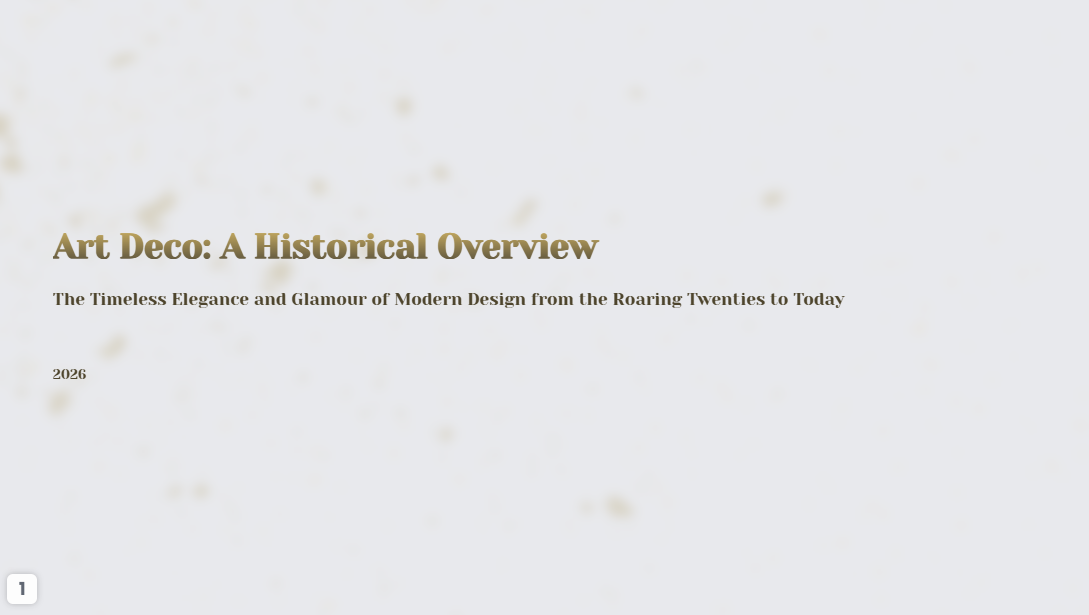
Let’s get practical—how does PopAI tackle real scenarios tied to 2025’s buzz? Take the Art Deco centennial celebrations. A museum curator in Paris used PopAI to create a slide deck for a symposium on Gaston-Louis Vuitton’s Deco legacy. Prompt: “Art Deco exhibit overview in luxurious style.” Boom—slides with bold fonts, sunburst patterns, and embedded images from uploads. The result? Engaged attendees and rave feedback, all prepped in 30 minutes.
Or consider business pros amid economic shifts. With inflation lingering from 2024’s events, marketers need standout pitches. PopAI shines here: Input a URL from a trending Forbes article on Deco trends, and it generates an Art Deco style presentation highlighting client benefits. Features like automatic illustrations add polish, addressing pain points like “I can’t draw” or “No time for stock photos.”
Education’s another winner. Teachers facing hybrid classes use PopAI for interactive lessons. Example: A history prof on Art Deco’s Mumbai revival uploads a PDF, prompts for Deco styling—voila, slides with timelines, maps, and quizzes. Students report higher retention, thanks to visuals that make dry facts fun.
Socially, PopAI amplifies impact. During 2024’s AI art debates, artists used it to blend Deco with modern twists, sparking discussions on tech’s role in creativity. One X post went viral: A user shared PopAI-generated Deco slides on climate action, blending vintage optimism with urgent data. This fosters community, turning presentations into conversation starters.
Challenges? Sure—AI might miss nuanced cultural cues, so human oversight matters. But PopAI’s edit tools make fixes easy, ensuring authenticity.
The Broader Ripple: Art Deco’s Influence on Society and Tech
Peeling back layers, Art Deco’s 2025 revival isn’t isolated—it’s intertwined with bigger trends. Economically, it signals a shift to “updated Deco,” mixing maximalism with minimal effort via AI. This helps small businesses compete, creating pro visuals on a budget. Socially, it promotes diversity: Deco drew from global influences like Egyptian and Aztec motifs, and AI tools like PopAI make these accessible, encouraging inclusive designs.
Environmentally? PopAI reduces waste—no printing drafts, just digital tweaks. In a climate-conscious era, this aligns with sustainable practices highlighted in 2024’s hot events like COP29 discussions.
Critically, the revival prompts ethical questions. As AI revives styles, who owns the IP? PopAI addresses this with original generations, but industry talks urge guidelines. Positively, it inspires innovation: Think AI-assisted Deco in VR events or interactive exhibits.
For users, the pain relief is real—less stress, more creativity. PopAI’s 16M users prove it: From freelancers to Fortune 500, it’s leveling the playing field.
Looking Ahead: Art Deco and AI’s Endless Horizon
As 2025 unfolds, Art Deco’s glow only brightens, fueled by AI like PopAI. Imagine future updates: VR-integrated slides or real-time audience adaptations. This duo isn’t just trendy; it’s transformative, making design a joy for all.
If you’re feeling that itch to create, why wait? PopAI’s free trial lets you experiment with Art Deco style slides today. Who knows—your next presentation could be the one that sparks your own revival.