Introduction
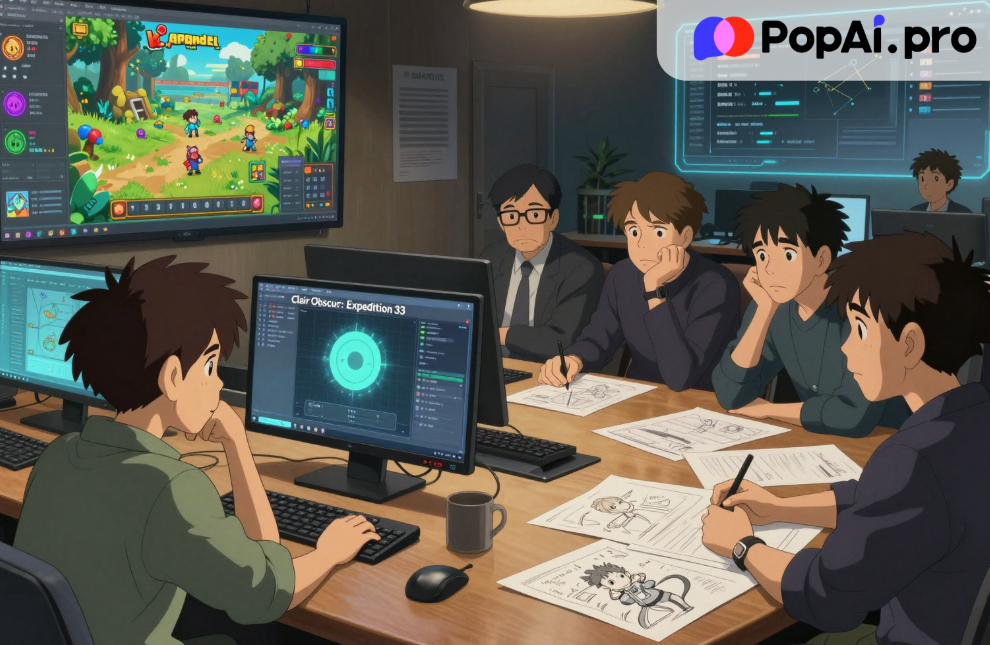
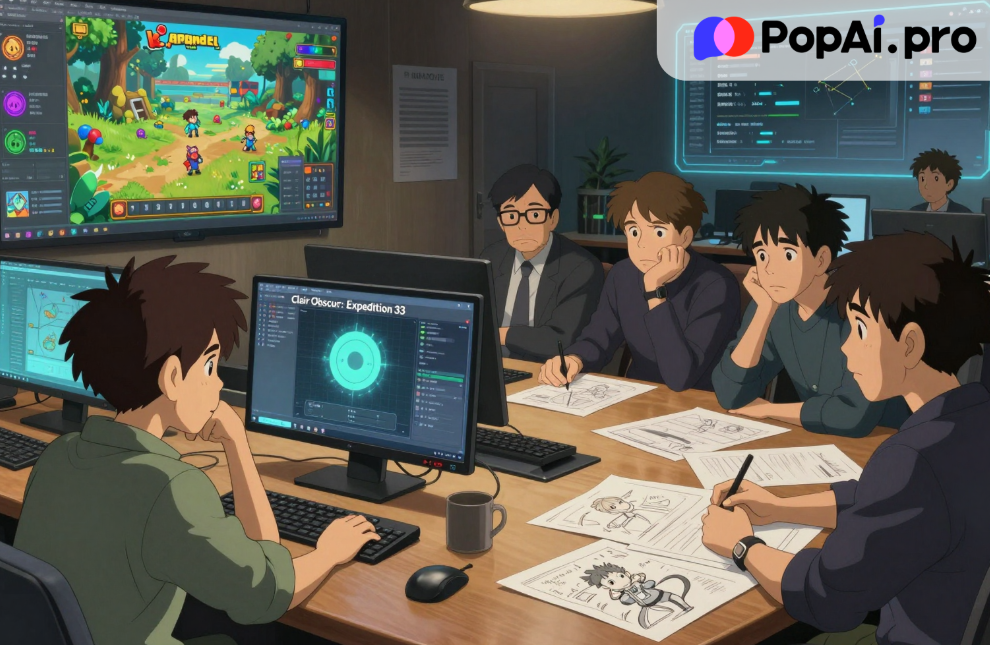
Picture this: It’s early 2026, and the gaming world is buzzing with GTA 6’s impending launch, but behind the scenes, a storm is brewing. Last year, indie darling Clair Obscur: Expedition 33 lost two major awards after fans discovered AI-generated placeholders in its early builds. Gamers erupted online, calling it a betrayal of creativity. Meanwhile, big studios like Larian are experimenting with AI for concept art, only to face backlash that forces quick backpedals. This isn’t just drama—it’s a wake-up call. AI is infiltrating game design faster than ever, promising efficiency but sparking fears of job losses and soulless games. As a seasoned news blogger who’s covered everything from pixel art revivals to VR flops, I’ve seen how these shifts hit creators hard. But here’s the twist: amid the chaos, smart devs are leveraging AI not to replace humans, but to supercharge their pitches. Tools like PopAI are quietly revolutionizing how game design pitch slides presentations get made, turning raw ideas into investor magnets in minutes. Stick around as we unpack the why, the how, and what it means for you.
The AI Boom in Game Design: What’s Happening Now?
Let’s zoom out for a second. 2025 was the year AI went from hype to reality in gaming. According to a BCG report, around 20% of new Steam games disclosed AI use by mid-year, doubling from the previous period. That’s not just stats—it’s a tidal wave. Developers are using generative AI for everything from coding tweaks to smarter NPCs that remember player choices and adapt on the fly. Take Sony’s wild new patent: an AI that could literally play games for you, handling grindy parts while you enjoy the story. Sounds futuristic? It’s already sparking debates on whether games lose their soul when machines take the wheel.
But it’s not all smooth sailing. The CNET deep dive nailed it—gamers see AI as a bogeyman, eroding trust. Remember The Alters from 11 Bit Studios? They slipped in AI for quick text prompts during development, then apologized when fans called foul over lack of disclosure. This highlights a bigger issue: transparency. Without clear rules, every AI mention risks a PR nightmare. On the flip side, execs at Xbox and Unity are pushing AI as a “multiplier,” slashing QA time by 50% with tools like Razer’s bug-spotting tech. For indie devs, this means faster prototypes, letting small teams punch above their weight. Yet, surveys show only 79% of developers feel positive about it, with artists and writers worried about being sidelined.
Diving deeper, why the boom? Tech advancements like GPT-4 models make AI accessible—anyone with a laptop can generate assets now. Economic pressures play a role too: with over 25,000 layoffs in the industry recently, studios are desperate to cut costs. BCG predicts AI could drop AAA game budgets from $300 million by speeding up development by 90%. Socially, it’s democratizing creation, empowering solo devs in places like Hong Kong to compete globally. But the flip? A potential flood of “gameslop”—low-effort titles clogging stores, making it harder for quality pitches to stand out.
Behind the Headlines: Digging Deeper into AI’s Impact
Beyond the flashy headlines, let’s peel back the layers. Take the BBC’s look at 2026 trends: GTA 6 could be a cultural juggernaut, but Rockstar’s recent layoffs of 31 vets raise red flags on delays. AI might step in here, automating routine tasks to keep timelines tight. Resident Evil Requiem, dropping in February, is another beast—Capcom’s keeping mum on AI, but industry whispers suggest it’s used for horror elements like adaptive scares. Why does this matter? AI’s influence isn’t just technical; it’s reshaping narratives. Intelligent NPCs could create branching stories that feel personal, boosting replay value and player immersion.
Causes run deep. Ethically, AI trains on vast datasets, often without consent, stirring theft accusations. Legally, no standards mean studios tiptoe around lawsuits. Socially, it’s a double-edged sword: unions like the United Videogame Workers are fighting for protections, fearing AI exacerbates inequality. Impacts? Innovation surges—think AI-native studios churning out diverse games—but at what cost? Freelancers prioritize pay over AI fears, yet recruiters using AI for screenings might miss cultural fits, leading to bland teams.
Multi-angle view: From a player’s lens, AI risks derivative content, like endless procedurally generated worlds lacking heart. Devs see opportunity—Larian’s experiments show AI sparks ideas, not steals jobs. Economically, BCG notes reduced time-to-market could spark growth, but player resistance is low at 5-10%, mostly to visible AI like storylines. Globally, in regions with high tech adoption like Asia, AI tools level the field for non-native English speakers crafting pitches. Ultimately, the significance? AI could make gaming more inclusive, letting diverse voices shine, but only if we address biases and ensure human oversight.
Tackling the Pain Points: Why Game Pitches Are Tough
Now, let’s get real about the grind. As a blogger who’s chatted with countless devs, I know pitching a game is brutal. You’ve got a killer idea—like a cozy Pokémon-inspired adventure akin to Pokopia—but turning it into a slick presentation? That’s where dreams die. Clients and publishers want visuals that pop, stories that hook, and data that sells, all in 10-15 slides. Pain points abound: time crunches mean rushed decks that look amateur. Creative blocks hit when you’re staring at blank slides, unsure how to structure your game design pitch. Design skills? Not every dev is a PowerPoint wizard, leading to mismatched templates or ugly layouts.
Combine that with 2026’s chaos—Saudi Arabia’s $55bn EA buyout could shift priorities, favoring big IPs over indies. RAM prices spiking from AI data centers might hike hardware costs, squeezing budgets. For pitches, this means you need an edge to stand out amid “gameslop.” Recent events amplify this: Arc Raiders’ AI accusations show how one misstep tanks perception. Devs tell me they spend weeks on pitches, only for feedback like “too text-heavy” or “lacks wow factor.” It’s relatable—whether you’re a solo creator in Hong Kong or a team lead, the pressure to nail that game design pitch slides presentation is intense. What if there was a way to flip this script?
Enter PopAI: Your Go-To for Stunning Pitch Slides
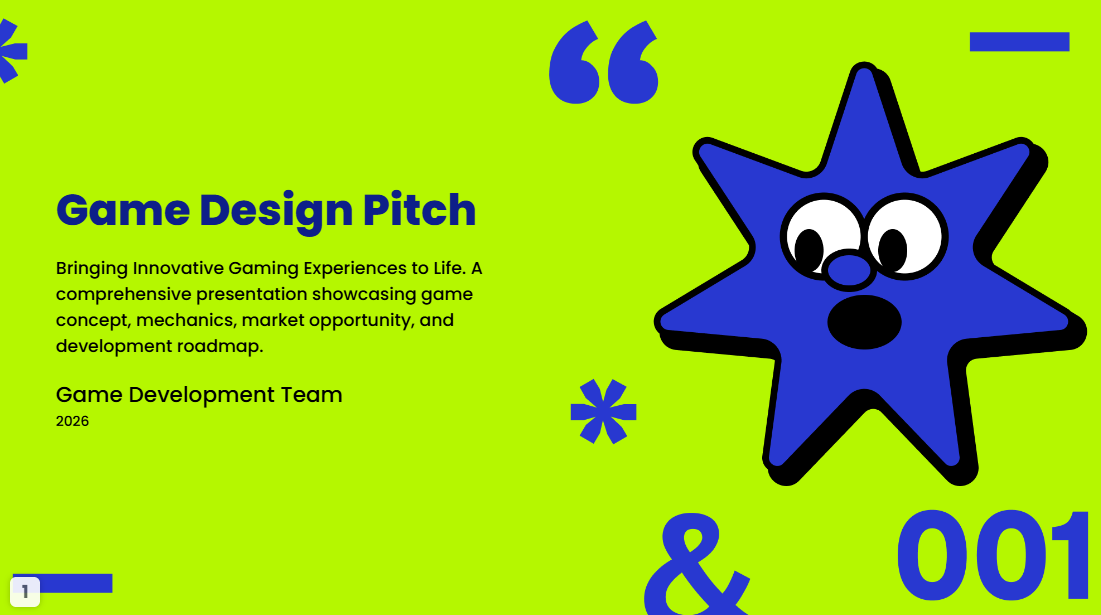
Here’s where things get exciting. Enter PopAI, the AI workspace that’s becoming a dev’s best friend. Powered by advanced models like GPT-4, PopAI isn’t just another tool—it’s your personal assistant for crafting pro-level presentations. Imagine typing a prompt like “Create a game design pitch for a sci-fi RPG with adaptive AI NPCs,” and boom—seconds later, you have a structured outline ready to tweak. It pulls from your text, PDFs, docs, or even web pages, analyzing content to build slides that flow logically.
Key perks? It offers a template library tailored to your audience—sleek for investors, vibrant for publishers. You can import a URL from a news article on AI trends, and PopAI reformats it into dynamic visuals. Edit on the fly: swap images, refine text, adjust layouts. Download as PPTX for easy sharing. Real data backs this—PopAI streamlines workflows, with users raving about how it cuts creation time drastically. For game design pitch slides presentations, it’s gold: break down mechanics, story arcs, and monetization into engaging slides without the hassle.
But why PopAI over others? It’s user-friendly, no steep learning curve. Free trial lets you test-drive, but the Pro version unlocks unlimited generations, advanced imports, and premium templates—perfect for serious devs aiming to boost pitch success. I’ve seen feedback where users say it “combines writing and design seamlessly,” making pitches feel polished and professional. In a world of AI skepticism, PopAI emphasizes augmentation: it sparks your creativity, not steals it.
Real-World Wins: How PopAI Transforms Game Design Pitches
Let’s talk stories—because numbers are cool, but examples hit home. Take an indie dev prepping a pitch for a FromSoftware-style multiplayer like The Duskbloods. They upload a rough PDF outline, add a prompt for “dark fantasy visuals,” and PopAI generates 12 slides: intro hook, gameplay loop, AI-driven boss behaviors, market analysis. Tweak the template for a moody aesthetic, and it’s investor-ready in under an hour. Result? Secured funding, as the slides wowed with clear, adaptive content.
Another win: A team facing creative drought pastes in text from a BBC article on AI uncertainties, blending it with their game’s ethical AI twist. PopAI creates a narrative arc, turning dry facts into compelling visuals. Users report it “speeds up content creation,” aligning with BCG’s note on AI reducing dev time by 90%. For pitches, this means addressing pain points head-on— no more blank-slide stares. Social proof? Reviews highlight easy interfaces and task automation, with one saying it “revolutionizes workflows” for routine stuff like slide population.
Diving into influence: These wins ripple out. Better pitches mean more diverse games hitting shelves, countering “gameslop” fears. Socially, tools like PopAI empower underrepresented creators, fostering inclusion. But remember, it’s about balance—use AI to enhance your voice, not drown it.
Looking Ahead: AI and Game Design in 2026
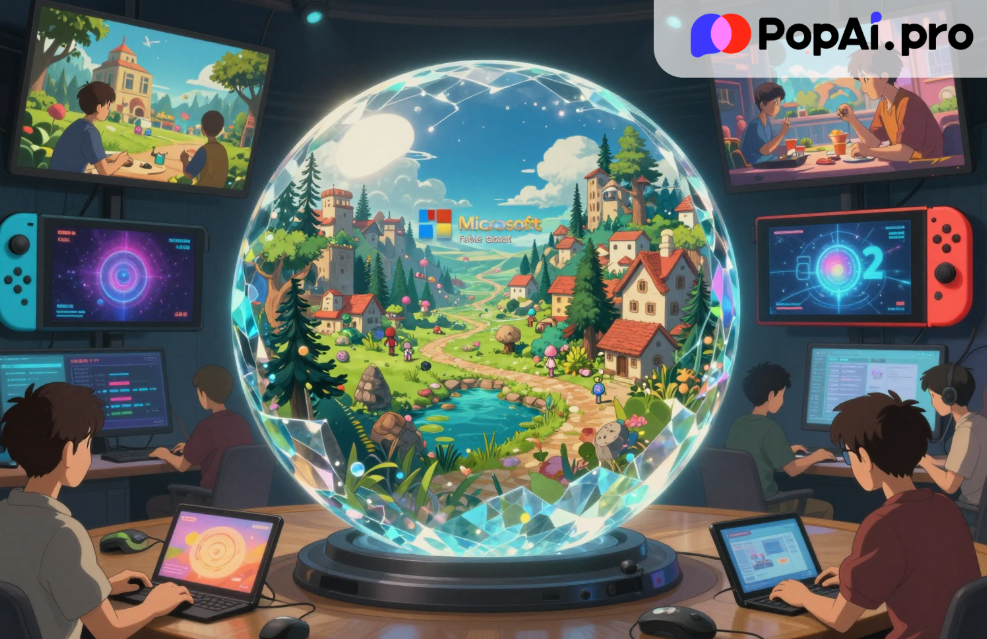
Peering into 2026, the crystal ball shows AI embedding deeper. Microsoft’s Fable reboot might leverage AI for dynamic worlds, while Nintendo’s Switch 2 could prioritize human-crafted charm amid hardware hikes. Trends from indie devs suggest a turning point: more AI for efficiency, but with calls for ethics. BCG forecasts innovation spikes, like player-co-created content, but warns of quality dips without curation.
For pitches, this means adaptability is key. Tools like PopAI will evolve, perhaps integrating real-time collab or VR previews. Impacts? Faster market entry for hits like Wolverine, but devs must navigate backlashes—think transparent AI use in decks. Socially, it could bridge gaps, letting global talents shine. Yet, uncertainties loom: EA’s acquisition might push AI-heavy pipelines, sparking more unions. Overall, evidence leans toward AI as a partner, not predator—if handled right.
Conclusion
Wrapping up, the gaming landscape in 2026 is electric, with AI at its core—driving debates, innovations, and yes, killer pitches. From GTA 6’s hype to ethical minefields, we’ve dug into the whys and whats, showing how tools like PopAI turn challenges into wins. If you’re crafting that next game design pitch slides presentation, give PopAI a spin—its prompt-to-slide magic could be the boost you need. Head over to popai.pro, snag the free trial, or upgrade to Pro for unlimited power. Who knows? Your idea might just become the next big hit. What’s your take—AI hero or villain? Drop a comment; let’s chat.