In the realm of writing, where every word counts and time is often scarce, finding a way to streamline the process without compromising quality is a top priority. Whether you’re crafting a business proposal, an academic essay, a social media post, or a personal letter, starting from scratch can be overwhelming. This is where an AI writing platform with templates becomes a game-changer. These platforms combine the power of artificial intelligence with pre-designed templates to guide you through the writing process, ensuring structure, consistency, and efficiency. They empower writers of all skill levels to produce high-quality content with ease. Among the platforms making waves in this space, PopAI stands out for its diverse range of templates and intelligent features that cater to the unique needs of various users.
Who Can Benefit from an AI Writing Platform with Templates?
An AI writing platform with templates is a versatile tool that caters to a wide array of users, each with their specific writing goals and challenges. Let’s explore the key user groups and how these platforms address their needs:
- Small Business Owners and Entrepreneurs: Running a small business involves wearing many hats, and writing often takes a backseat to other pressing tasks. From creating marketing materials like flyers and social media posts to drafting customer emails and business plans, the need for professional-looking content is constant. An AI writing platform with templates can be a lifesaver. For example, a café owner wanting to promote a new menu can use a social media template on the platform. The AI will guide them to input details like new dishes, prices, and special offers, then generate a catchy post with a consistent tone that aligns with their brand—saving them time that can be spent on running the café.
- Students and Educators: Students are frequently tasked with writing essays, reports, and presentations, while educators need to create lesson plans, worksheets, and feedback forms. Templates on an AI writing platform provide structure, which is especially helpful for students learning how to organize their thoughts. A high school student writing a book review can use a template that includes sections for plot summary, character analysis, and personal opinion. The AI will prompt them to fill in each section, ensuring they cover all necessary points. Educators, on the other hand, can use lesson plan templates to outline objectives, activities, and assessments, with the AI suggesting relevant teaching strategies to enhance the plan.
- Content Creators and Freelancers: For those who make a living from writing—bloggers, copywriters, and freelance writers—meeting deadlines and maintaining a consistent output is crucial. An AI writing platform with templates can help them tackle various projects efficiently. A travel blogger needing to write a destination guide can use a template that includes sections for attractions, accommodation, and local tips. The AI will generate a draft based on the input details, which the blogger can then personalize with their unique experiences and voice. This allows them to produce more content in less time, taking on more clients or exploring new topics.
- HR Professionals and Recruiters: HR teams are responsible for writing job descriptions, offer letters, and employee handbooks. These documents require precision, clarity, and compliance with company policies and labor laws. Templates on an AI writing platform ensure that all necessary information is included and formatted correctly. A recruiter looking to post a job opening for a software developer can use a job description template. The AI will prompt them to input skills required, job responsibilities, and company benefits, then generate a comprehensive description that attracts qualified candidates—reducing the risk of missing key details.
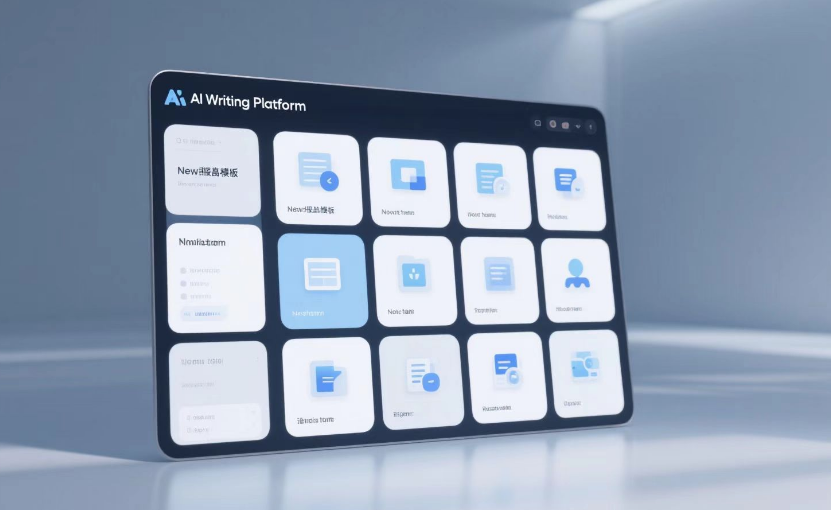
Exploring the Types of Templates Available on AI Writing Platforms
An AI writing platform with templates offers a wide range of templates to suit different writing needs. These templates are designed to provide structure and guidance, making the writing process more efficient. Here are some common types of templates you can expect to find:
- Business and Professional Templates: These templates cater to the needs of professionals in various industries. They include business plans, project proposals, meeting agendas, and sales pitches. A marketing manager preparing a proposal for a new advertising campaign can use a project proposal template. The template will have sections for objectives, target audience, budget, and timeline. The AI will help fill in these sections based on the manager’s input, ensuring the proposal is well-organized and persuasive.
- Academic Templates: Designed for students and academics, these templates cover essays, research papers, lab reports, and thesis outlines. A college student writing a research paper on environmental science can use a research paper template. The template includes sections for abstract, introduction, methodology, results, and conclusion. The AI will guide the student to input their research findings, helping them structure the paper in a way that meets academic standards.
- Marketing and Social Media Templates: These templates are tailored for creating engaging content for marketing purposes. They include social media posts, email newsletters, product descriptions, and press releases. A fashion brand launching a new collection can use a product description template. The template prompts the user to input details like material, design, and unique features, and the AI generates a compelling description that highlights the product’s appeal to customers.
- Personal and Creative Templates: For personal writing tasks, these templates include birthday cards, thank-you notes, resumes, and creative writing prompts. Someone looking to write a heartfelt thank-you note to a mentor can use a thank-you note template. The AI will suggest warm and sincere phrases based on the user’s input about their relationship with the mentor, making the note more meaningful.
How PopAI’s Templates Stand Out in the AI Writing Space
While there are many AI writing platform with templates options available, PopAI offers unique features that make its templates more effective and user-friendly:
- Customizable Templates: PopAI’s templates are not rigid; they can be easily customized to fit your specific needs. Whether you need to add extra sections to a business plan or rearrange the order of sections in an essay template, PopAI allows for flexibility. For example, a startup founder using a business plan template can add a section on market trends specific to their industry, ensuring the plan is tailored to their unique business model.
- AI-Powered Suggestions Within Templates: As you fill in a template on PopAI, the AI provides real-time suggestions to improve your content. If you’re using a social media template and input a generic product description, the AI might suggest more engaging adjectives or a call to action to encourage customer interaction. This helps users create more impactful content without having to be professional writers.
- Industry-Specific Templates: PopAI offers templates designed for specific industries, such as healthcare, technology, and education. A healthcare provider creating a patient information leaflet can use a healthcare-specific template that includes sections for symptoms, treatment options, and precautions. The AI ensures the content is accurate and easy for patients to understand, using language appropriate for the healthcare industry.
- Template Updates and New Additions: PopAI regularly updates its template library to keep up with changing trends and user needs. This means users always have access to the latest templates, whether it’s a new social media format or an updated academic citation style. A freelance writer specializing in digital marketing can benefit from new social media templates that align with the latest platform algorithms, helping them create content that reaches a wider audience.
Step-by-Step Guide to Using an AI Writing Platform with Templates
Using an AI writing platform with templates is a straightforward process that can significantly simplify your writing tasks. Here’s a step-by-step guide to help you get started:
- Choose the Right Template: Start by Browse the platform’s template library and select the one that best fits your writing needs. Consider the type of content you’re creating and the structure you need. If you’re writing a blog post, look for a blog post template with sections for introduction, body paragraphs, and conclusion.
- Input Your Content: Once you’ve selected a template, begin filling in the sections with your content. The template will guide you with prompts, such as “Enter the main idea of your paragraph” or “List three key points.” Be as detailed as possible with your input, as this will help the AI generate more accurate and relevant content. For example, if you’re using a resume template, input your work experience, education, and skills in detail.
- Leverage AI Suggestions: As you input your content, the AI will provide suggestions to improve your writing. This may include rephrasing sentences for clarity, adding relevant keywords, or adjusting the tone. Take the time to review these suggestions and incorporate them into your content if they enhance it. A small business owner using a sales pitch template can benefit from the AI’s suggestions to make the pitch more persuasive.
- Customize and Edit: After the AI generates a draft based on your input and its suggestions, take the time to customize and edit the content. Add your unique voice, make any necessary changes to the structure, and ensure the content meets your specific requirements. A student using an essay template should review the draft to ensure it reflects their own analysis and perspective, adding examples or personal insights where needed.
- Format and Export: Once you’re satisfied with the content, use the platform’s formatting tools to adjust the font, spacing, and layout. This will ensure the content looks professional and is easy to read. Finally, export the content in your desired format, such as PDF, Word, or HTML, and save or share it as needed. A teacher creating a worksheet can export it as a PDF to distribute to students.
Tips for Maximizing the Use of an AI Writing Platform with Templates
To get the most out of an AI writing platform with templates, consider these tips:
- Understand Your Goals Before Choosing a Template: Before selecting a template, clearly define your writing goals. Are you trying to inform, persuade, or entertain? Knowing this will help you choose the right template and input the appropriate content. For example, if your goal is to persuade investors to fund your business, a business plan template with a strong focus on financial projections and market analysis is ideal.
- Don’t Over-rely on the AI: While the AI can provide valuable suggestions and help structure your content, it’s important to remember that it’s a tool, not a replacement for your own creativity and expertise. Always review and edit the content generated by the AI to ensure it accurately reflects your ideas and meets your standards. A content creator using a social media template should add their unique perspective and brand voice to the AI-generated content to make it stand out.
- Experiment with Different Templates: Don’t be afraid to try out different templates to find the one that works best for you. Even if you’re creating the same type of content, different templates may offer varying structures that can enhance your writing. For example, a blogger writing about travel can try both a narrative-style blog post template and a listicle template to see which one resonates more with their audience.
- Provide Detailed Inputs: The quality of the content generated by the AI depends largely on the input you provide. Take the time to provide detailed and specific information when filling in the template sections. This will help the AI generate content that is relevant and tailored to your needs. A recruiter using a job description template should input detailed information about the job responsibilities and required skills to attract the right candidates.
- Keep Learning and Adapting: As you use the platform, pay attention to what works and what doesn’t. Learn from the AI’s suggestions and apply them to your future writing. Adapt your approach based on the feedback you receive from your audience or readers. For example, if a social media post generated using a template receives a lot of engagement, note the elements that worked well and use them in future posts.
Choosing the Right AI Writing Platform with Templates
With so many options available, choosing the right AI writing platform with templates can be a challenge. Here are some factors to consider:
- Template Variety: Look for a platform that offers a wide range of templates to cover your diverse writing needs. Whether you need templates for business, academics, or personal use, a platform with a comprehensive library will be more versatile. PopAI, for instance, has templates for everything from business proposals to birthday cards, ensuring users can find what they need.
- AI Capabilities: The AI features of the platform are crucial. Look for a platform that provides accurate suggestions, helps with grammar and spelling, and can adapt to different writing styles. A platform with advanced AI will understand context and generate content that is relevant and coherent.
- User-Friendliness: The platform should be easy to navigate, even for those with limited technical skills. A clean interface, clear instructions, and intuitive tools will make the writing process more enjoyable and efficient. A student using the platform for the first time should be able to figure out how to select a template and input content without confusion.
- Customization Options: The ability to customize templates is important. Look for a platform that allows you to modify templates to fit your specific needs, whether it’s adding sections, changing the layout, or adjusting the tone. This ensures that the content you create is unique and tailored to your requirements.
- Pricing and Accessibility: Consider the pricing structure of the platform. Some platforms offer free basic plans with limited templates and features, while others require a subscription for full access. Choose a platform that fits your budget and offers the features you need. PopAI offers flexible pricing plans, including a free plan for beginners and premium plans for advanced users, making it accessible to a wide range of users.
In conclusion, an AI writing platform with templates is a powerful tool that can simplify the writing process and help you produce high-quality content. Whether you’re a small business owner, a student, a content creator, or an HR professional, these platforms offer the structure, guidance, and intelligent suggestions you need to write with confidence.
PopAI, with its diverse templates, customizable features, and user-friendly interface, is a standout choice for anyone looking to enhance their writing. By leveraging the power of AI and pre-designed templates, you can save time, reduce stress, and focus on what truly matters—expressing your ideas effectively.
So, why not give it a try? Explore the templates on PopAI and discover how easy it is to create impressive content with the help of an AI writing platform with templates. Your writing will thank you for it.