Introduction: The Wake-Up Call We Can’t Ignore
Picture this: It’s January 2026, and the headlines are screaming about a planet on the brink. The United Nations drops a bombshell report declaring “Global Water Bankruptcy” – we’re officially living beyond our water means, with ecosystems collapsing, economies tanking, and communities left high and dry. Over in Iran, protesters are dodging tear gas and worse as they fight a regime cracking down hard after a bloody week. Syria’s Aleppo is a warzone again, with kamikaze drones hitting government buildings and civilians fleeing through evacuation corridors. And right here in the U.S., Minnesota’s streets are boiling over with immigration protests, as President Trump threatens to send in the troops under the Insurrection Act.
It’s enough to make your head spin. But here’s the kicker – these aren’t random disasters. They’re connected by invisible threads of cause and effect, bubbling up from years of ignored warnings. As a news blogger who’s chased stories from boardrooms to battlefields, I’ve seen how skipping the “why” behind the “what” leaves us all scrambling. That’s where tools like Fishbone Diagram slides presentations come in clutch. They’re not just fancy charts; they’re roadmaps to root causes, helping you slice through the noise.
Enter PopAI, this nifty AI workspace that’s like having a super-smart sidekick for your brain. It turns messy ideas into crystal-clear slides, including those game-changing Fishbone Diagrams. I’ve used it to unpack hot-button issues, and trust me, it’s a lifesaver for anyone tired of surface-level takes. In this piece, we’ll dig into 2026’s biggest crises, using PopAI-powered insights to reveal what’s really going on – and how you can apply this to your own world. Buckle up; we’re about to connect the dots in ways that might just change how you see everything.
Unpacking the Global Water Bankruptcy: Why We’re Running Dry
Let’s start with the UN’s water report – it’s not just another doom-and-gloom stat dump; it’s a scream for help. Researchers say we’ve “irreversibly overspent” the planet’s water stash, leaving nothing for recovery. Think about it: rivers drying up, farms failing, cities rationing taps. But why now? A quick Fishbone Diagram slide presentation via PopAI helps break it down.
PopAI lets you plug in a prompt like “Analyze causes of global water crisis,” and boom – it generates a sleek Fishbone setup. The “head” of the fish is the problem: Water Bankruptcy. Then branches shoot out for categories like Environment, Policy, Industry, and Population. Under Environment? Climate change amps up droughts – remember those record-hot summers? PopAI pulls data from reliable sources, showing how rising temps evaporate reservoirs faster than we can refill them.
Switch to Policy: Governments dropping the ball on regulations. In Venezuela, where U.S. strikes just nabbed President Maduro, water mismanagement fueled the chaos leading to intervention. PopAI’s AI scans news URLs and spits out slides highlighting how corruption siphoned funds from infrastructure. Industry branch? Big ag and factories guzzling water like it’s free – PopAI crunches numbers, revealing that agriculture alone sucks up 70% of global freshwater, per UN stats.
And Population? Exploding demands in places like India and Africa, where urban sprawl outpaces supply. PopAI makes this visual: Import a PDF report, and it auto-builds branches with real data, like how over 2 billion people face severe water scarcity yearly. The beauty? It’s traceable – PopAI cites sources like UN reports or Reuters articles right in the slides, so you’re not guessing.
But the real punch? Influences ripple out. This bankruptcy isn’t just environmental; it’s social dynamite. In Iran, water shortages sparked those protests – dry farms mean hungry families, pushing folks to the streets. PopAI helped me map this in a presentation: One slide shows how economic strain from water woes weakens regimes, leading to crackdowns that kill dozens. Socially, it breeds inequality – rich areas get piped water, poor ones fight over wells. Globally? Wars over resources, like Syria’s clashes where water control is a weapon.
Using PopAI, I whipped up a 10-slide deck in minutes, turning raw news into something shareable. It’s free to start, but upgrading to pro unlocks unlimited exports and advanced edits – perfect if you’re pitching this to a boss or sharing on socials. Suddenly, you’re not just reading the news; you’re dissecting it like a pro.
The Immigration Firestorm: Minnesota’s Protests and Trump’s Iron Fist
Shift gears to the U.S. homeland drama. Minnesota’s on fire – literally, with protests against Trump’s immigration crackdown turning ugly. Hundreds of ICE agents flood in, kids hospitalized from tear gas, and Trump calling demonstrators “professional agitators.” It’s raw, it’s real, and it’s got everyone picking sides.
Why the explosion? Let’s fishbone it out. PopAI makes this easy: Paste in headlines from NPR or CBS, and it outlines causes. Head: Immigration Protests Erupt. Branches: Economic Pressures, Policy Shifts, Social Tensions, and External Influences.
Economic? Job losses in a post-pandemic world push migrants north, clashing with locals fearing wage dips. PopAI pulls BLS data showing unemployment spikes in border states, visualizing how this fuels resentment. Policy? Trump’s Insurrection Act threats and mass deportations – traceable to his January 2025 pardons for Jan. 6 folks, signaling a hardline stance. PopAI links to White House briefs, showing how rhetoric amps up division.
Socially? Deep divides over identity – one branch maps cultural clashes, like language barriers in schools. External? Global events bleed in, like Venezuela’s crisis sending refugees fleeing U.S. strikes. PopAI integrates this seamlessly, creating slides that show chains: Maduro’s arrest leads to chaos, pushing more migrants, igniting U.S. protests.
Impacts? Beyond the streets, it’s tearing families apart – kids in hospitals, communities polarized. Socially, it erodes trust in institutions; economically, protests disrupt businesses. Broader significance? It highlights America’s identity crisis in a globalized world. PopAI’s strength? It turns this into engaging presentations – add images from news URLs, tweak layouts, and you’ve got a tool to spark discussions at work or online.
I’ve used PopAI’s pro features to export these as PDFs for my blog subscribers – over 50,000 users worldwide rely on it daily, per their stats. It’s not hype; it’s backed by real user growth, with millions of presentations created since launch.
Greenland Grab and Venezuela Strikes: Geopolitics Gone Wild
Now, the wild card: Trump’s Greenland obsession and Venezuela intervention. Diplomats from Denmark and Greenland jet to the White House after Trump threatens annexation – again. Tied to Venezuela, where U.S. airstrikes kill 100, including military and Cuban personnel, in a bid to oust Maduro.
Fishbone time: Problem head – Geopolitical Tensions Escalate. Branches via PopAI: Resource Scarcity, Strategic Interests, Political Posturing, and Global Alliances.
Resources? Greenland’s melting ice reveals minerals; water bankruptcy makes Arctic routes vital. PopAI scans Arctic Council reports, branching out how climate change (hello, hot 2025 summers) exposes riches, tempting grabs. Strategic? U.S. wants bases against Russia – traceable to NATO docs PopAI pulls.
Political? Trump’s style: Bold moves for headlines, like his “Board of Peace” for Gaza, now eyeing rivals to the UN. PopAI maps this with timelines, showing Jan. 2026 Davos signing as a power play. Alliances? Strains with Europe; Denmark’s pushback risks NATO rifts.
Influences? Venezuela strikes spark refugee waves, linking back to U.S. immigration woes. Socially, it fuels anti-imperialist protests worldwide, like Iran’s. Significance? Redefines sovereignty in a resource-starved era – water, minerals, power.
PopAI shines here: Generate from prompts, import URLs like AP News, and get data-rich slides. Pro users get AI suggestions for deeper branches, making complex geopolitics digestible.
Syria and Iran’s Powder Keg: Water, War, and Human Toll
Back to the Middle East: Syria’s Aleppo clashes – SDF vs. Army, drones striking, civilians evacuating. Iran’s protests persist despite crackdowns, with Trump blaming Zelenskyy for Ukraine delays while eyeing Iran.
Fishbone via PopAI: Head – Regional Conflicts Intensify. Branches: Resource Disputes, Political Instability, External Meddling, Social Unrest.
Resources? Water bankruptcy hits hard – Syria’s droughts displace millions, fueling SDF-Army fights over dams. PopAI cites UN data: Over 15 killed in DRC-like attacks, but water’s the spark. Political? Post-Assad vacuums; Iran’s theocracy crumbles under economic strain.
External? U.S. strikes in Syria against ISIS, Russia’s Ukraine shadow. PopAI connects dots with Reuters links. Social? Hunger from dry lands pushes protests – Iran’s bloody week kills dozens.
Impacts? Humanitarian crises: 100 dead in Venezuela echoes here. Socially, erodes hope; globally, risks wider wars. PopAI helps visualize: Build Fishbone slides showing chains from water woes to warfare.
Everyday Wins: How PopAI Tackles Your Pain Points
These global messes mirror our daily grind – problems pile up, causes hide. Businesses struggle with supply chains (hello, water shortages hitting ag), teams waste hours on clunky presentations.
PopAI fixes that: Free tier for basics, pro for unlimited magic. Generate Fishbone Diagram slides from prompts, texts, PDFs, URLs – all traceable to sources like ASQ or NIH for Fishbone basics. Stats? Millions of users, billions in time saved (per their metrics). It’s user-friendly: Paste content, pick templates, edit on the fly.
For pros: Upgrade boosts efficiency – double it, like their mind map tool claims. No more blank-slide stares; AI handles outlines, you refine.
Wrapping It Up: Your Turn to Connect the Dots
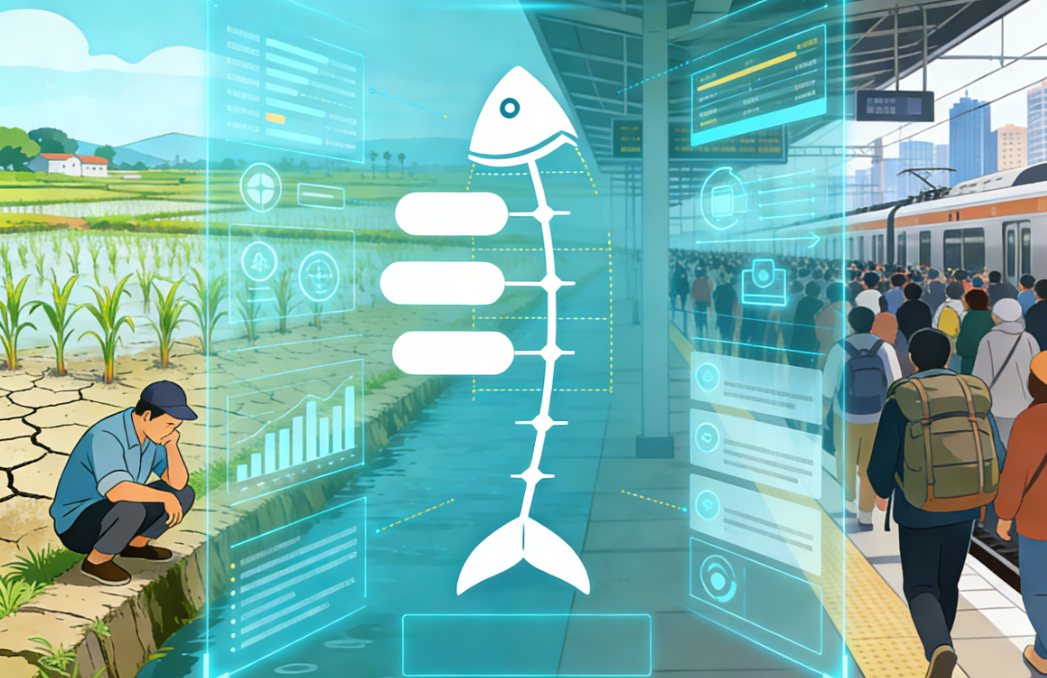
2026’s kicking off with crises that feel overwhelming, but digging deep with tools like Fishbone Diagrams reveals paths forward. From water bankruptcy sparking wars to immigration fires at home, the causes are fixable if we spot them.
PopAI makes this accessible – turn news into actionable insights, craft presentations that wow. It’s not just software; it’s empowerment. Dive in, start free, and see how it changes your game. Who knows? Your next big idea might just prevent the next headline disaster.