Introduction: The Urban Wake-Up Call That’s Hitting Now
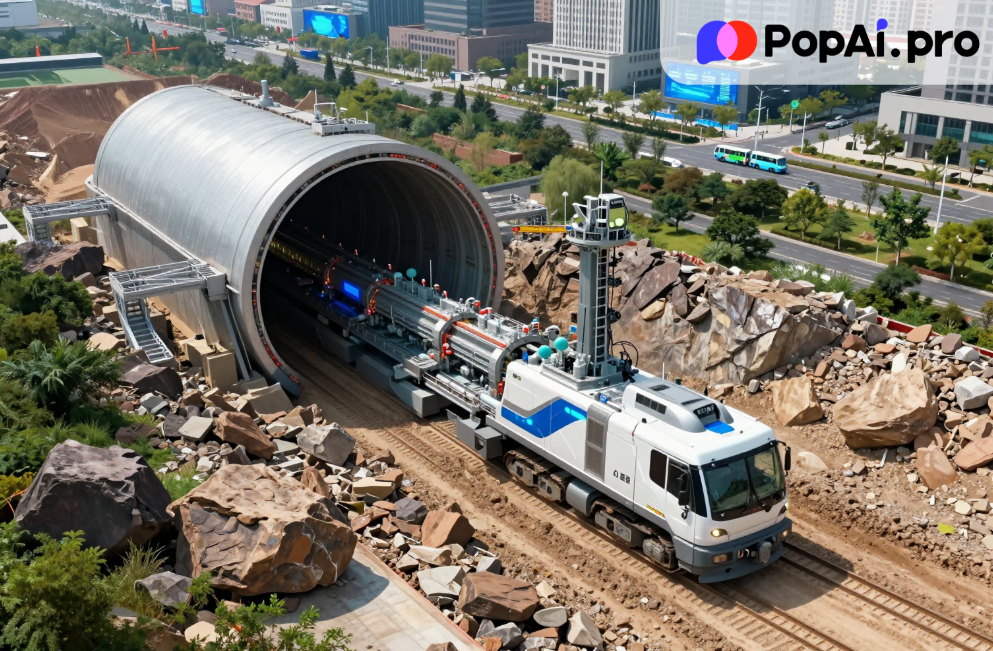
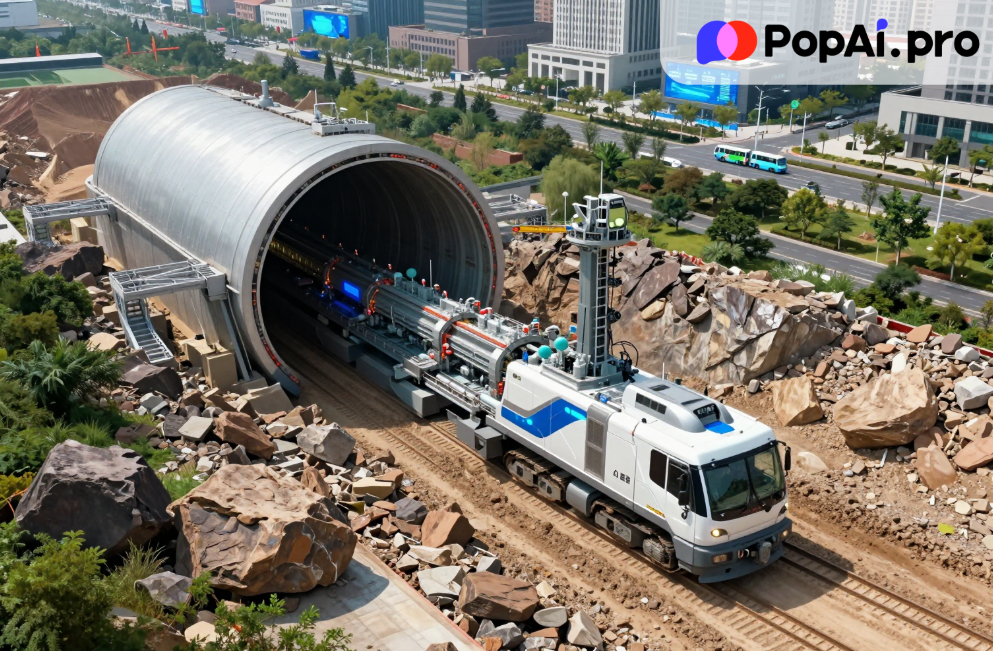
Picture this: It’s early 2026, and a massive tunnel boring machine in China, powered by an AI “smart brain,” is digging through rock at speeds that make old-school construction look like child’s play. This isn’t sci-fi—it’s happening right now, courtesy of researchers from Hunan University and their industry partners. But why should you care? Because this breakthrough isn’t just about faster tunnels; it’s a symptom of a global smart city explosion that’s about to transform how we live, work, and move. From Abu Dhabi’s AI-integrated streets to New York’s push for hyper-local services, infrastructure is getting a high-tech makeover that’s solving real problems like traffic jams, energy waste, and climate threats. And if you’re someone who needs to pitch these ideas—whether you’re a city planner, entrepreneur, or just a curious professional—tools like PopAI are making it ridiculously easy to create killer presentations that wow audiences.
As a seasoned news blogger who’s covered everything from tech disruptions to urban policy shifts, I’ve seen how these stories unfold. But 2026 feels different. With conferences like the Smart Cities Connect Expo kicking off in March and market forecasts predicting microgrid controllers ballooning to over $15 billion by 2030, the pressure is on cities to go smart or get left behind. In this piece, we’ll dig deep into the whys, the hows, and the what-ifs of smart city infrastructure. We’ll explore the pain points—like tight budgets and aging systems—that are pushing leaders to innovate, and how everyday folks like you and me stand to benefit. Stick around, because by the end, you’ll see why mastering these trends could be your ticket to staying ahead, and how PopAI’s AI presentation features can help you turn raw insights into polished slides that drive action.
The Big Picture: Why Smart City Infrastructure Is Exploding in 2026
Let’s cut to the chase: Smart cities aren’t just buzzwords anymore. They’re a necessity. Think about the headlines from early 2026—China’s AI-enabled tunnel boring machines are slashing construction risks and boosting efficiency, potentially reshaping underground infrastructure worldwide. Why now? Well, urbanization is ramping up; by 2030, nearly 60% of the world’s population will live in cities, putting insane strain on roads, power grids, and water systems. Add in climate change—wilder weather, rising seas—and you’ve got a recipe for disaster unless we get smarter about building.
Take the U.S., for example. Cities are grappling with affordable housing shortages and infrastructure that’s crumbling under the weight of outdated designs. A recent outlook from Smart Cities Dive points out that 2026 will be a make-or-break year, with leaders facing federal mandates, immigration enforcement pressures, and the need to integrate AI for everything from public safety to mobility. Over in Pakistan, a U.S. business delegation is eyeing smart infrastructure deals, while Uzbekistan’s pact with Habib Rafiq Engineering promises sustainable growth through tech collaborations. These aren’t isolated events; they’re part of a global push toward resilient, efficient urban setups.
The social angle? It’s huge. Smarter infrastructure means fewer traffic deaths—smart tech has already cut commute times by 15-20% in some pilots—and better air quality, reducing health issues from pollution. But there’s a flip side: Who pays for it? Private investments, like in Kazakhstan’s Alatau City, are stepping in, using charter models to fund AI-embedded designs from the ground up. This shifts power from governments to partnerships, potentially speeding things up but raising questions about equity. Will low-income neighborhoods get the same upgrades as shiny downtowns? It’s a debate that’s heating up, and one that demands nuanced analysis in any discussion—or presentation—on the topic.
Pain Points Exposed: What Cities Are Really Struggling With
Nobody likes admitting failure, but let’s be real: Many cities are in crisis mode. Tight budgets are the big bad wolf—post-pandemic recovery left holes in funding, and with federal dollars getting unpredictable, leaders are scrambling. The affordable housing crunch? It’s brutal. In places like New York, where The New York Times just floated 17 ideas for Mayor Zohran Mamdani to revamp urban spaces, the focus is on making essentials accessible within 15 minutes. That’s the “city of 15 minutes” concept, aiming to cut commutes and boost well-being, but it requires massive infrastructure overhauls.
Climate risks are another thorn. Storms, floods, and heatwaves are hammering infrastructure, costing billions. Enter smart solutions: IoT-based waste systems that optimize collection, reducing emissions by 10-15%, or AI-powered transit that predicts and prevents breakdowns. But implementation hurts—labor shortages, power constraints for data centers, and privacy worries from all that surveillance tech. Remember the 2006 Turin Olympics? They turned the city into a cultural hub but left debt and unused venues. As Milano Cortina 2026 approaches, that legacy warns against flashy projects without long-term plans.
For professionals like urban planners or consultants, these pain points translate to endless meetings and reports. Creating a presentation on smart city infrastructure? It’s a nightmare—sifting through data on microgrid growth (projected CAGR of 14.8% to 2030), renewable integration, and off-grid electrification. Hours spent on slides that look meh, when you could be focusing on strategy. That’s where tools step in, making the complex simple.
PopAI to the Rescue: Revolutionizing How We Present Smart City Ideas
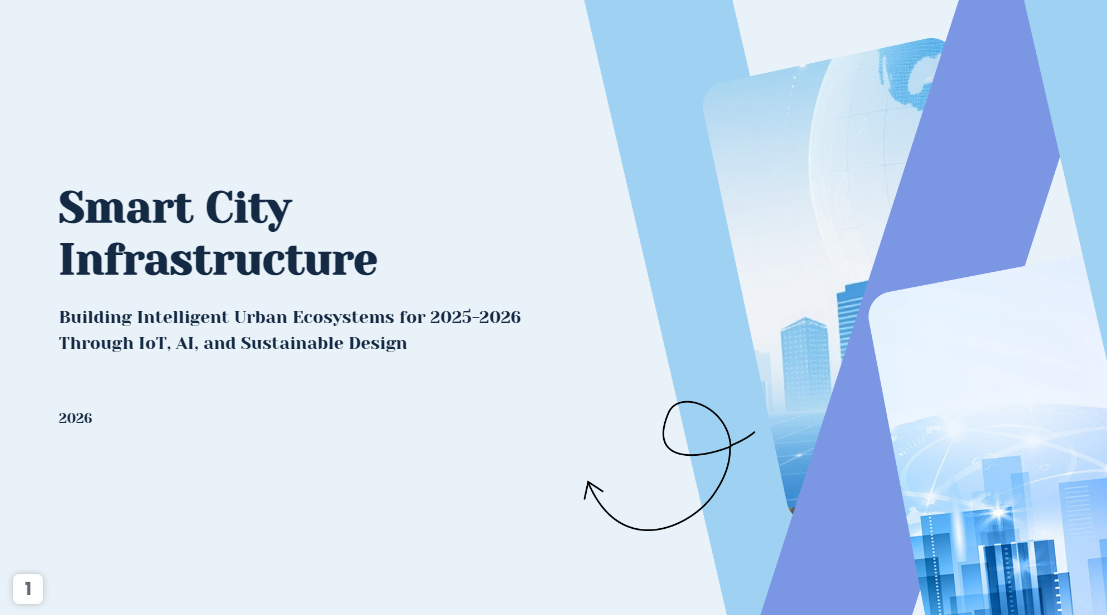
Here’s where it gets exciting for anyone who’s ever stared at a blank PowerPoint slide. PopAI, an all-in-one AI workspace, is changing the game for creating presentations on topics like smart city infrastructure. Powered by advanced models like GPT-4, it lets you generate professional slides in minutes from a simple prompt. Say you want a deck on “2026 Smart City Trends: Infrastructure Innovations.” Just type that in, and PopAI spits out a structured presentation—complete with visuals, key insights, and customizable layouts.
From user reviews on sites like G2 and Product Hunt, folks rave about its ease: “It drastically reduces time for polished presentations,” one says. Customization is key—you can tweak outputs for PDFs, videos, or slides, ensuring your smart city pitch fits the audience. Need to highlight China’s TBM breakthrough? PopAI’s AI writing pulls in summaries, cites sources, and even generates images of futuristic tunnels. Data’s traceable too; it draws from reliable inputs, avoiding hallucinations that plague basic chatbots.
Real-world perks? For a consultant prepping for the Smart Cities Connect Conference, PopAI handles the heavy lifting—automating slide design so you focus on insights like how microgrids enhance resilience (cutting emergency response times by 20-35%). Pro version unlocks more features, like multilingual support for global audiences or SEO-optimized content if you’re blogging about it. It’s not just faster; it’s smarter, helping turn pain points into opportunities. Imagine ditching late-night design sessions for strategic thinking—that’s the edge PopAI gives.
Deep Dive: Causes Behind the 2026 Infrastructure Boom
Why is 2026 the tipping point? Let’s unpack it. First, tech maturity—AI and 5G/6G networks are ready for prime time. In Abu Dhabi, as CNN highlighted, AI is weaving into daily life, from traffic flow to energy management. Causes trace back to post-2020 accelerations: Remote work exposed grid weaknesses, while sustainability goals (like net-zero by 2050) demand action.
Influences? Economic pressures play big. The microgrid market’s surge to $15.5 billion by 2030 stems from energy independence needs—think hurricanes knocking out power. Socially, it’s about equity; smart cities must avoid widening gaps. India’s Smart City Mission, launched a decade ago, shows mixed results—Bhubaneswar topped early lists, but progress varies, sparking calls for better metrics.
Global events amplify this. The World Government Summit’s 2070 urban vision stresses customer-centricity—personalized services via data. But privacy risks loom; over-reliance on AI could lead to breaches or biases. Analyzing this multi-angle: Economically, it boosts jobs in tech; environmentally, it cuts emissions; socially, it fosters community if done right.
Impacts on Everyday Life: From Commutes to Communities
Feel that? The ripple effects are personal. Smarter infrastructure means smoother commutes—robotaxis and air taxis, per 2026 trends, could shave 15-20% off travel time. In Pakistan’s emerging smart deals or HCAI’s U.S. parking expansion, it’s about ditching manual hassles for AI analytics that free up spaces instantly.
Home life? Smart buildings optimize energy, slashing bills. But influences extend to health—cleaner air from efficient systems reduces respiratory issues. Socially, inclusive designs, like Alatau’s from-scratch smart planning, could make cities more livable, countering isolation in sprawling metros.
The catch? Job shifts—automation in construction might displace workers, needing retraining. And costs—who foots the bill for upgrades? Private-public partnerships, as in Uzbekistan, spread the load but could privatize public goods. Overall, the significance? A more resilient world, where cities adapt to crises rather than crumble.
Multi-Angle Analysis: Winners, Losers, and Wild Cards
From an economic lens: Winners are tech firms like those in the Smart Cities Council 2026 Cohort—innovators in autonomous systems. Losers? Legacy industries slow to adapt. Environmentally, it’s a win for sustainability, with urban farming and IoT waste systems cutting footprints.
Politically, federal shifts in the U.S. could mandate changes, clashing with local autonomy. Socially, empathy is key—designs must include all, avoiding “smart” divides. Wild cards? AI ethics—biases in algorithms could exacerbate inequalities. Or geopolitics—trade pacts like Pakistan-U.S. could accelerate tech transfer.
For presenters, this complexity demands clear visuals. PopAI shines here, generating mind maps or charts to break down angles, making your smart city slides not just informative but persuasive.
Looking Ahead: What 2026 Holds and How to Prepare
Peering into the crystal ball: Expect more integrations—gemelos digitales (digital twins) simulating urban scenarios, or expanded MaaS (Mobility as a Service). Conferences like Smart Cities Connect will spotlight these, driving collaborations.
Preparation? Stay informed, but don’t drown in data. Tools like PopAI streamline it—upload PDFs on trends, get summaries, then auto-build presentations. For pros, upgrading to Pro means unlimited generations, perfect for frequent pitches.
Conclusion: Embrace the Smart Shift or Get Left Behind
2026’s smart city infrastructure isn’t just news—it’s a revolution touching every corner of life. From China’s AI tunnels to global conferences, the causes (urban growth, climate urgency) and impacts (efficiency, equity) paint a picture of progress with pitfalls. But the real takeaway? You don’t have to navigate it alone. With PopAI, turning these insights into compelling presentations is effortless, addressing pain points like time crunches and design woes head-on.
As someone who’s blogged through tech waves, I say: Dive in. Use PopAI to craft that next-level slide deck on smart infrastructure—it’s traceable, customizable, and built for impact. Who knows? Your presentation could spark the next big idea in your city. Ready to level up? Check out PopAI today and see how it transforms your workflow.