1. Emotional Stability: Not Being Temper-Free, but Knowing How to “Process” Temper
Many people mistakenly believe “emotional stability” means “having no temper.” In reality, true emotional stability is knowing how to “hit the brakes” when feeling negative emotions, rather than letting anger spiral out of control and damage the relationship.
A typical example is my best friend Xiaoya and her boyfriend Azhe: They planned a trip together, but Xiaoya missed their flight, ruining the schedule. Just as she was about to break down in self-blame, Azhe didn’t say, “I told you not to dilly-dally,” but instead helped her carry luggage to find accommodation. Once she calmed down, he said, “Next time we’ll leave an hour earlier—then we won’t have to worry about missing the flight.” Later, Xiaoya said, “That day, what I feared most wasn’t missing the flight, but his criticism. Azhe’s reaction made me feel that no matter how bad things get, I have a safety net with him.”
A 2024 survey by an emotional counseling agency shows that couples with emotionally stable partners have a 42% lower divorce/breakup rate in their intimate relationships compared to ordinary couples. Such people aren’t incapable of anger; they just understand “deal with emotions first, then solve the problem.” For instance, if they come home late from overtime, they won’t snap at their partner, “Why didn’t you cook?” Instead, they’ll say, “I’m exhausted today—shall we order takeout together?” Their emotions act like a “cushion,” absorbing conflicts in the relationship rather than pushing disagreements further apart.
2. Empathy: Not “Lecturing,” but “Understanding Feelings”
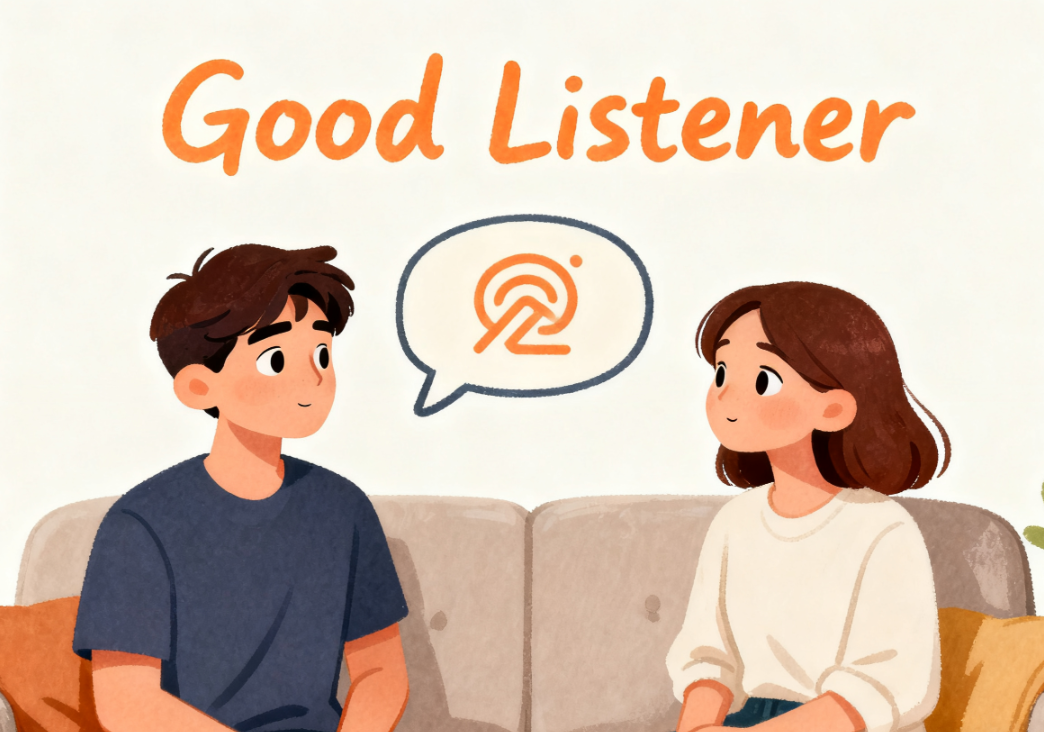
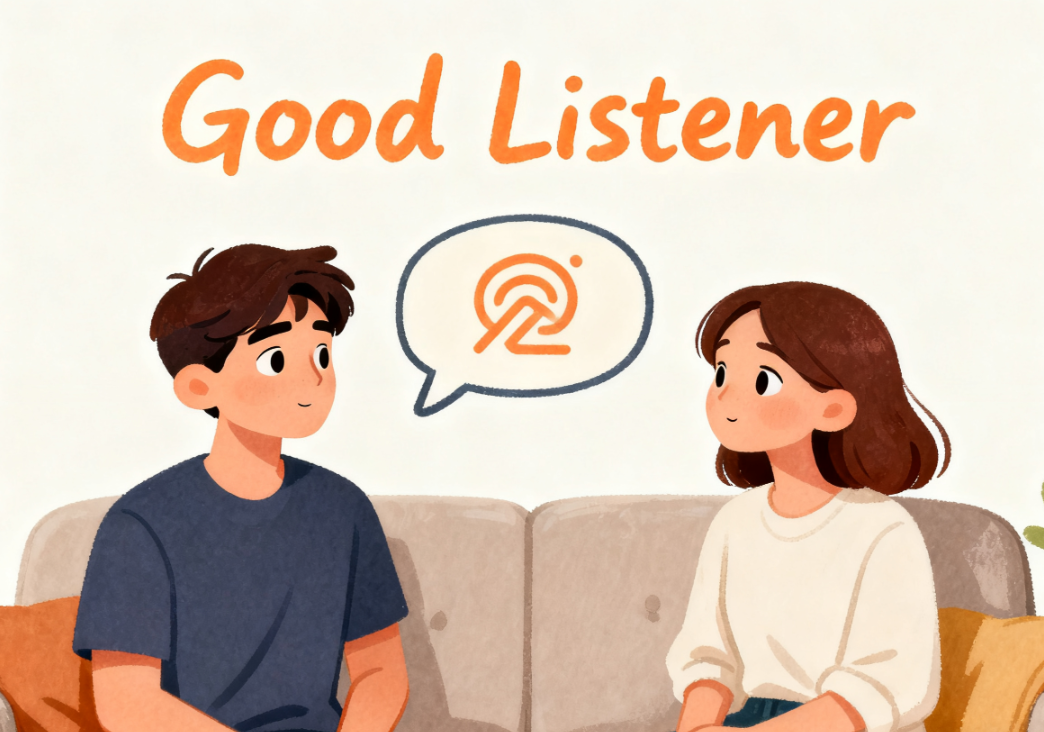
Phrases like “Don’t be sad—there’s nothing to cry about” or “You should work harder instead of complaining” may sound like comfort, but they actually reveal a lack of empathy. For high-quality partners, empathy never involves “preaching reason”; it starts with acknowledging the other person’s feelings.
My colleague Lao Zhou has been married to his wife for 10 years. Once, his wife was criticized by her boss for a work mistake and came home crying, huddled on the sofa. Instead of saying, “Just be more careful next time,” Lao Zhou handed her tissues, sat beside her, and said, “Being scolded in front of everyone must have made you really wronged—I’d feel terrible too if it were me.” Only after his wife calmed down did they analyze the problem together. Later, his wife said, “I actually knew what to do that day, but what I needed most wasn’t advice—it was someone who understood how wronged I felt.”
Psychological research shows that partners with strong empathy have a 37% higher satisfaction rate in their intimate relationships than ordinary couples. Empathy isn’t “solving problems for someone”; it’s “being able to feel what they feel.” If the other person complains about work fatigue, instead of saying, “Everyone’s tired,” they’ll say, “Working overtime nonstop must have drained you both physically and mentally.” If the other person is happy about a small thing, instead of saying, “That’s not even worth being happy about,” they’ll share in the joy. This feeling of “being seen” is the most precious warmth in a relationship.
3. Sense of Responsibility: Not “Making Many Promises,” but “Delivering on Them”
Promises like “I’ll definitely treat you well in the future” or “I’ll work hard to give you a better life” are sweet, but for high-quality partners, a sense of responsibility never lies in “talking a lot—it lies in “acting sincerely.”
My neighbor Brother Wang set an impressive example: When he and his wife were trying to conceive, he voluntarily quit smoking and accompanied her on walks every day. After their child was born, no matter how late he worked overtime, he would get up early to help his wife make formula and change diapers. When his in-laws got sick, he took time off work immediately to accompany them to the hospital, handling registration and payment procedures. His wife said, “He never says ‘I’ll take responsibility,’ but every little thing he does makes me feel secure.”
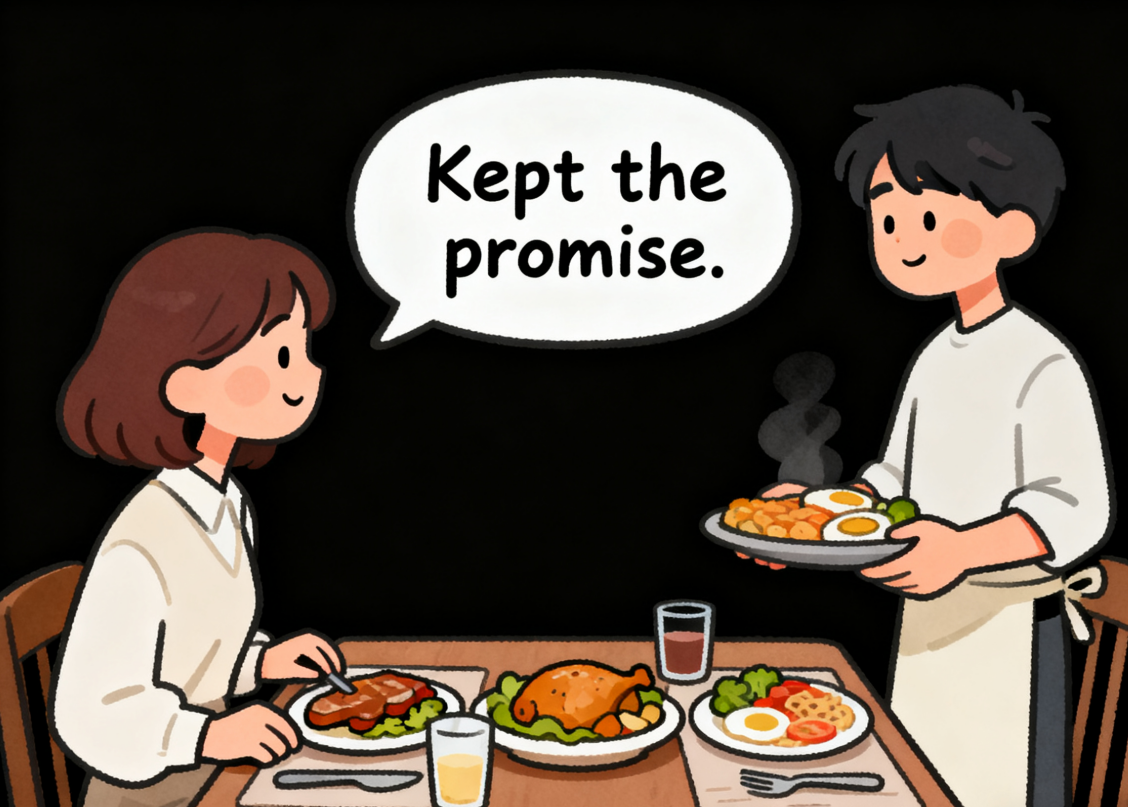
Data from a dating platform in 2025 shows that “sense of responsibility” ranks among the top 3 “most core traits in a partner” as voted by respondents. True responsibility hides in details: If they promise to watch a movie with you, they won’t stand you up at the last minute; if there’s an emergency at home, they won’t avoid it and leave you to deal with it alone; even during a fight or cold war, they won’t slam the door and walk away without a care. Their promises aren’t “empty checks”—they’re the security of “saying what you mean and doing what you say.”
4. Growth Mindset: Not “Staying the Same,” but “Growing Together”
Statements like “This is just how I am—I can’t change” or “Let’s just live like this; no need to bother trying” reflect a fixed mindset, which is an “invisible killer” of long-term relationships. One of the core traits of a high-quality partner is having a “growth mindset”: being willing to grow with each other and accepting each other’s imperfections.
The story of my friends Xiaolin and Xiaoyu is inspiring: Xiaolin wanted to switch careers to become a designer. With no prior experience, she studied every night after work. Instead of saying, “You’re already 30—stop messing around,” Xiaoyu helped her organize study materials and accompanied her to design exhibitions on weekends. Later, when Xiaoyu wanted to lose weight by working out, Xiaolin joined him in exercising and even researched healthy recipes. Two years later, Xiaolin became a designer, and Xiaoyu lost 20 pounds—their relationship became even closer than before.
Psychologist Dr. John Gottman once pointed out that “misaligned growth” is one of the key reasons for breakups in long-term intimate relationships. Partners with a growth mindset won’t demand that the other person “must be the same as themselves.” Instead, they’ll support you when you want to improve, and be willing to adjust for you when they have shortcomings. Their relationship isn’t “stagnant”; it’s like two trees standing side by side, taking root and growing taller together.
5. Sense of Boundaries: Not “Distance,” but “Knowing Limits”
Questions like “Why won’t you let me check your phone? Do you have something to hide?” or “What’s wrong with me chatting with your best friend? Don’t be so petty”—such boundaryless interactions gradually erode trust in the relationship. For high-quality partners, a sense of boundaries isn’t about “keeping distance”; it’s about understanding “respecting limits.”
The way my cousin and his wife get along is worth learning from: My cousin has several close female friends. Before every gathering, he proactively tells his wife, “I’m having dinner with XX and the others tonight—I’ll be home around 10,” and even shares photos occasionally during the gathering. His wife also has her own social circle, and my cousin never presses her with questions like “Who are you chatting with?” or “Where are you going?” They say, “Trust isn’t about ignoring each other; it’s knowing that the other person has a sense of propriety and won’t make you feel uneasy.”
A study on intimate relationships shows that partners with a clear sense of boundaries have a 51% higher level of trust in their relationship than ordinary couples. This sense of boundaries is reflected in: not treating the other person’s privacy as a “joke,” not treating the other person’s friends as “objects of scrutiny,” and not forcing the other person to accept all your habits. It’s like two hedgehogs keeping each other warm—maintaining an appropriate distance so that neither hurts the other, while still feeling warmth.
Conclusion: A High-Quality Partner Is About “Compatibility,” Not “Perfection”
We’re always looking for the “perfect partner”: someone gentle, wealthy, and romantic… But a truly high-quality partner is never a “perfect score winner”; they’re someone who has traits that allow the relationship to “grow healthily”—knowing how to process emotions, understanding feelings with empathy, keeping promises, being willing to grow together, and respecting boundaries.
As the old adage goes, “Good relationships aren’t about finding a perfect person, but someone willing to build a ‘comfortable life’ with you.” This timeless wisdom reminds us that the pursuit of an idealized partner, filtered through the lens of perfection, often leads to disappointment. In a world saturated with carefully curated social media profiles and unrealistic romantic ideals, it’s easy to lose sight of what truly matters in a relationship.
Rather than chasing the elusive mirage of the “perfect filter,” take a moment to look around you. Observe the people in your life not through the distorted prism of unattainable standards, but with a clear, discerning eye. Look for the qualities that transform a casual connection into a deep, meaningful bond—a partnership that stands the test of time.
The relationships that endure, that weather life’s storms and thrive through its joys, are not built on the shaky foundation of perfection. Instead, they’re nurtured by the steadfast pillars of mutual respect, understanding, and compromise. It’s the small acts of kindness, the shared laughter, and the quiet moments of support that create a love that is both enduring and enriching. After all, love that lasts isn’t supported by “perfection”—it’s supported by each other’s “sincerity” and “compatibility.” These are the qualities that turn an ordinary connection into an extraordinary partnership, one that grows stronger with each passing day.