
The Viral Power of Food: Why “Visual Taste” Rules the Internet
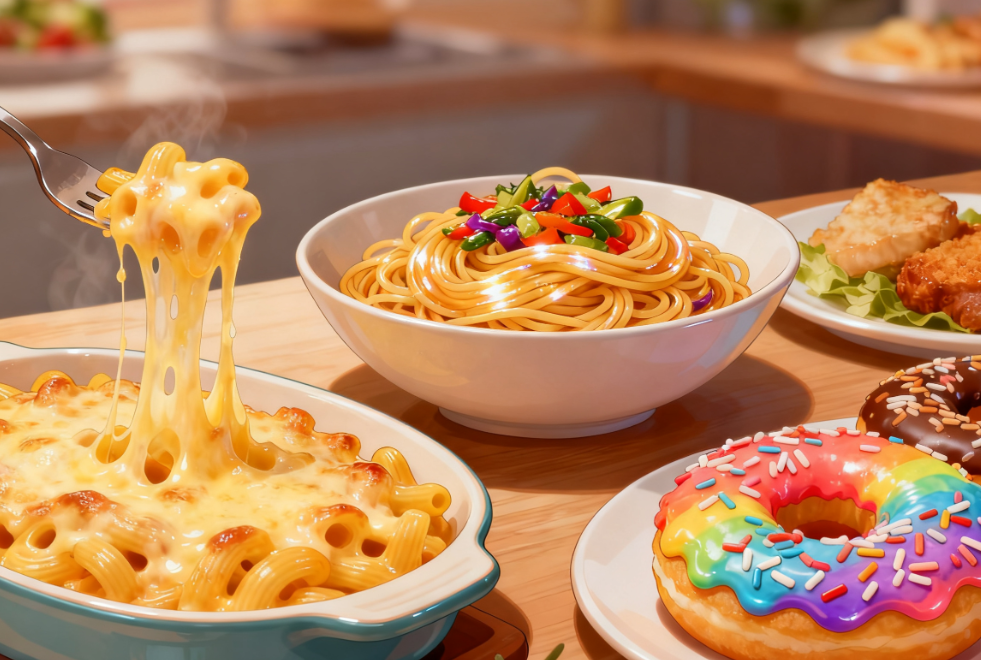
Over the past few months, social media feeds have been flooded with hyper-realistic food shots — molten cheese pulls, glistening noodles, and rainbow-glazed donuts. But here’s what’s wild: it’s not just about the photos. It’s the copy — the emotional, flavorful captions — that transforms static images into viral sensations.
This surge in “Mouth-Watering Food Photography Copy” has sparked a full-blown marketing revolution. Restaurants, influencers, and even home bakers are using crave-inducing words to create emotional hunger — a psychological trigger that drives engagement, saves, and shares.
In late 2025, platforms like Instagram, TikTok, and Pinterest saw over a 47% spike in food-related engagement, particularly in posts using sensory-driven descriptions. The takeaway? Copy that communicates texture, aroma, and feeling is just as important as lighting or angles.
Let’s explore why this shift matters — and then, the 50 irresistible examples you can steal today.
The Psychology Behind Food Copy That Makes You Hungry
When you read “crunchy,” “melty,” or “dripping,” your brain doesn’t just imagine the food — it simulates eating it. According to cognitive studies from MIT Media Lab, sensory words activate the brain’s gustatory cortex, creating a phantom taste experience.
Good Mouth-Watering Food Photography Copy isn’t just about description; it’s about evoking memory and desire. You’re not selling food — you’re selling the moment before the first bite.
Three emotional hooks dominate viral food content:
1. Nostalgia — Words that remind people of comfort or childhood meals (“like grandma’s pie cooling on the windowsill”).
2. Luxury Indulgence — The idea of reward or self-care through food (“treat yourself” culture thrives online).
3. Sensory Drama — Amplification of texture, sound, and visual pleasure (“crackling crust,” “silky drizzle,” “slow-melt perfection”).
With that in mind, let’s dive into 50 food copy ideas crafted to ignite cravings and clicks.
50 Mouth-Watering Food Photography Copy Ideas That Make Viewers Drool
Whether you’re a food blogger, a café owner, or a content marketer, these lines are engineered to elevate your visuals and stop thumbs mid-scroll.
1. “Bite into happiness — one gooey layer at a time.”
2. “Warning: may cause uncontrollable cravings.”
3. “Sweet dreams are made of this drizzle.”
4. “Because life’s too short for bland bites.”
5. “Spill the sauce, not the tea.”
6. “Dipped, drizzled, and dangerously addictive.”
7. “Every crunch tells a story.”
8. “For days when calories don’t count.”
9. “Satisfy your soul, one spoonful at a time.”
10. “Melting faster than your Monday motivation.”
11. “Proof that happiness is edible.”
12. “Dripping in flavor — no filters needed.”
13. “Not a snack. A serotonin bomb.”
14. “Fork it. We’re doing dessert first.”
15. “If taste had a love language, this would be it.”
16. “Crispy edges. Fluffy heart. Perfection squared.”
17. “Where flavor flirts with fantasy.”
18. “Your new crush just came out of the oven.”
19. “Simmered slow, savored fast.”
20. “The glaze that launched a thousand cravings.”
21. “Fuel your midnight scroll with something sinful.”
22. “Too stunning to eat… almost.”
23. “Serving texture and temptation on one plate.”
24. “Cheese pull level: Olympic gold.”
25. “Taste buds? Consider them spoiled.”
26. “This is what comfort looks like — and tastes like.”
27. “Saucy. Savory. Sorry, not sorry.”
28. “Turn your feed into a flavor festival.”
29. “Swipe left on stress. Swipe right on snacks.”
30. “Is it just me, or does this look like a hug?”
31. “Hot off the grill and into your dreams.”
32. “Layered with love and a little mischief.”
33. “Dessert so good, it’s basically therapy.”
34. “Just a drizzle away from perfection.”
35. “Your cheat day just got an upgrade.”
36. “Bold flavor. Soft heart. Just like you.”
37. “This bite knows all your secrets.”
38. “Because self-love starts with dessert.”
39. “Unwrap joy, one crumb at a time.”
40. “Who needs a plus one when you’ve got pizza?”
41. “Comfort food, but make it couture.”
42. “Texture so real, you can almost hear the crunch.”
43. “Freshly baked and unapologetically extra.”
44. “Sugar, spice, and everything Insta-worthy.”
45. “Taste the trend everyone’s talking about.”
46. “You can’t DM flavor, but you can post it.”
47. “The drizzle heard ‘round the Internet.”
48. “Your new comfort scroll.”
49. “Flavors that flirt back.”
50. “Welcome to flavor paradise. No passport needed.”
Each of these lines pairs with powerful imagery — close-up details, imperfect textures, warm colors — to make the viewer’s senses experience the photo, not just see it.
How Food Photographers Are Mastering the Art of Sensory Copy
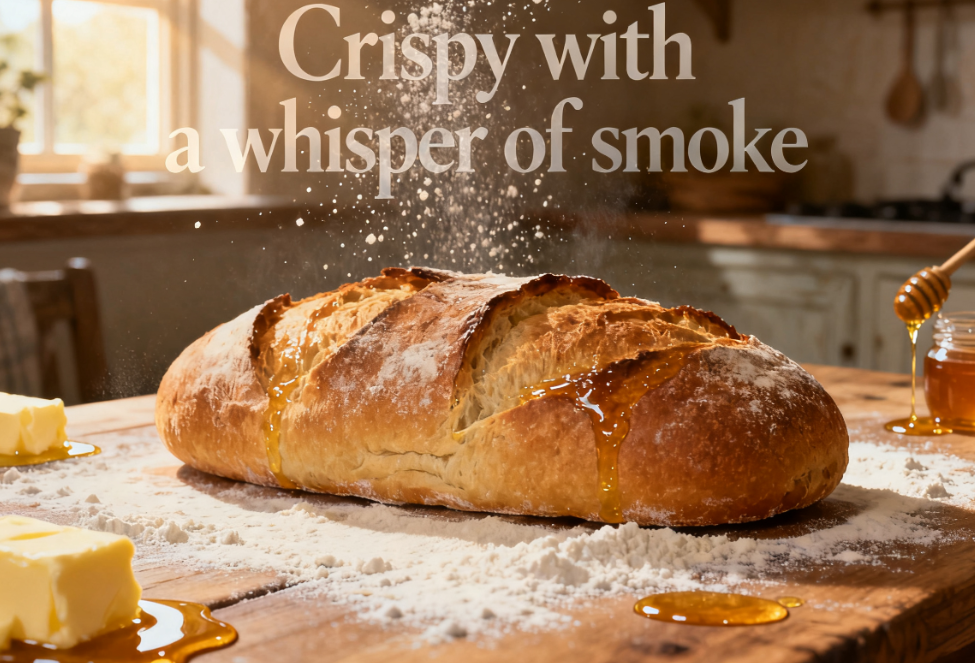
The combination of visuals and language has become the secret weapon of digital marketing. Let’s analyze what works behind the lens and the caption.
1. The Rise of “Texture-First” Photography
Photographers are focusing on tactile realism — flour dust in the air, shining oil bubbles, melting edges — and then adding copy that enhances narrative textures. It’s not “just crispy”; it’s “crispy with a whisper of smoke.”
2. Color Psychology & the Copy Match
Research shows that warm tones (reds, oranges, ambers) stimulate appetite, while cool tones (greens, purples) evoke sophistication. Good captions amplify these emotions: warm tones pair with indulgence-oriented words (“melting,” “gooey”), while cooler visuals benefit from elegance (“velvety,” “refined”).
3. Micro-Stories Sell
Instead of describing the dish, clever creators are describing moments. “Sunday morning pancakes,” “midnight pasta cravings,” “the smell that wakes the neighborhood.” Viewers connect because it feels lived-in, not staged.
The Hidden Economics of Food Imagery in 2025
Behind the visual pleasure lies a billion-dollar economy. In 2025, brands like Uber Eats, DoorDash, and local restaurants are investing heavily in copy-led photography — not just visuals, but sensory-driven storytelling that improves click-through rates.
Data from Google Ads this quarter shows that product listings using “Mouth-Watering” sensory language saw 32% higher conversion than generic descriptions. TikTok’s algorithm, too, now rewards posts with higher comment engagement — and nothing starts conversations like “I can hear this crunch!”
There’s also a cultural layer: food content has become a universal language of comfort and connection. In a fast, uncertain world, images of buttery toast or steaming bowls of ramen symbolize pause — a digital hug we can all taste.
The Emotional Equation: Craving = Image + Words + Context
We can summarize the success formula for viral food posts as:
Craving Power=(Visual Realism)+(Sensory Copy)+(Emotional Context)Craving Power=(Visual Realism)+(Sensory Copy)+(Emotional Context)
· Visual Realism creates the sensory gateway.
· Sensory Copy verbalizes the unspoken feelings.
· Emotional Context gives it personal meaning.
A single image might attract a like; a story told through taste keeps people coming back.
�� What This Trend Means for Creators and Brands
1. For Restaurants: Invest in both visuals and words. A high-quality photo is wasted without narrative copy that translates taste into emotion.
2. For Food Bloggers: Authenticity wins. Describe your experience — not perfection, but the steam, the mess, the memory.
3. For Brands: Avoid robotic marketing speak. Use natural, sensory-rich language that fits your audience’s appetite psychology.
4. For Photographers: Start thinking like writers. Ask, “What does this dish say before I even caption it?”
Professionals who can merge imagery and emotion will dominate the future of taste-driven marketing.
The Bigger Picture: More Than Food, It’s Culture
This isn’t just an aesthetic trend — it’s a reflection of how people seek sensory connection in a digital world.
The language of food has become a shared emotional shorthand for comfort, joy, and authenticity.
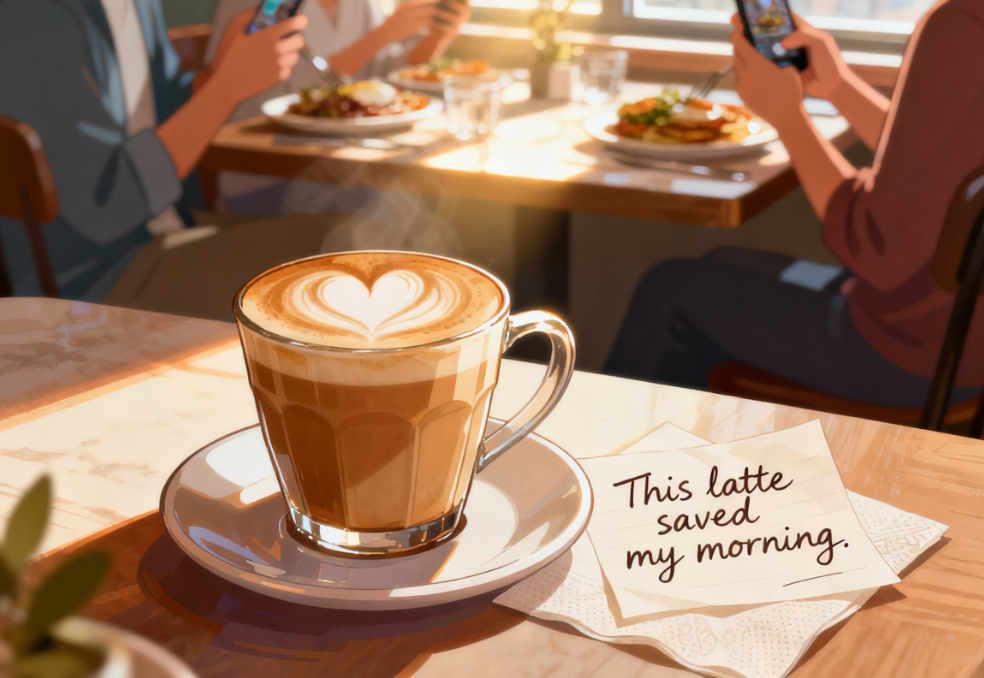
Think about how we caption moments: “This latte saved my morning,” or “A little sweetness for a tough day.” These aren’t about the dish itself; they’re emotional declarations wrapped in flavor.
That’s the real power of Mouth-Watering Food Photography Copy — it humanizes digital content. In an era where algorithms crave consistency, humans crave warmth.
Final Slice: Building Crave-Worthy Content That Converts
So, what’s the takeaway from these 50 mouth-watering copy ideas and their viral impact?
1. Be sensory, not descriptive. Use words that make your audience feel the flavor.
2. Tell mini-stories. Context transforms taste into connection.
3. Pair copy with motion. Slow pours, bubbling cheese, or breaking crust add life to still frames.
4. Stay authentic. The imperfect bite is more relatable — and more clickable.
5. Remember emotion sells. Food content isn’t about dishes; it’s about desire.
Final Thought
In 2025, attention is the new currency — and nothing captures it like well-crafted cravings.
Whether you’re a food photographer, marketer, or creator, mastering the art of Mouth-Watering Food Photography Copy isn’t optional. It’s the difference between getting scrolled past and getting shared.
So go ahead — make your audience hungry, not just for your food, but for your story.
Because in the race for hearts, eyes, and clicks — flavor always wins.