Presentation Summary
This presentation delves into the FTL1 protein, its molecular biology, and its role in brain aging. It discusses iron metabolism, cognitive health, and lifestyle interventions to modulate FTL1 expression.
Full Presentation Transcript
Slide 1: Understanding FTL1 Protein: Ferritin Light Chain 1 and Its Role in Brain Aging
Comprehensive Overview of Molecular Biology, Aging Mechanisms, and Evidence-Based Health Strategies
Exploring Iron Metabolism • Cognitive Health • Lifestyle Interventions
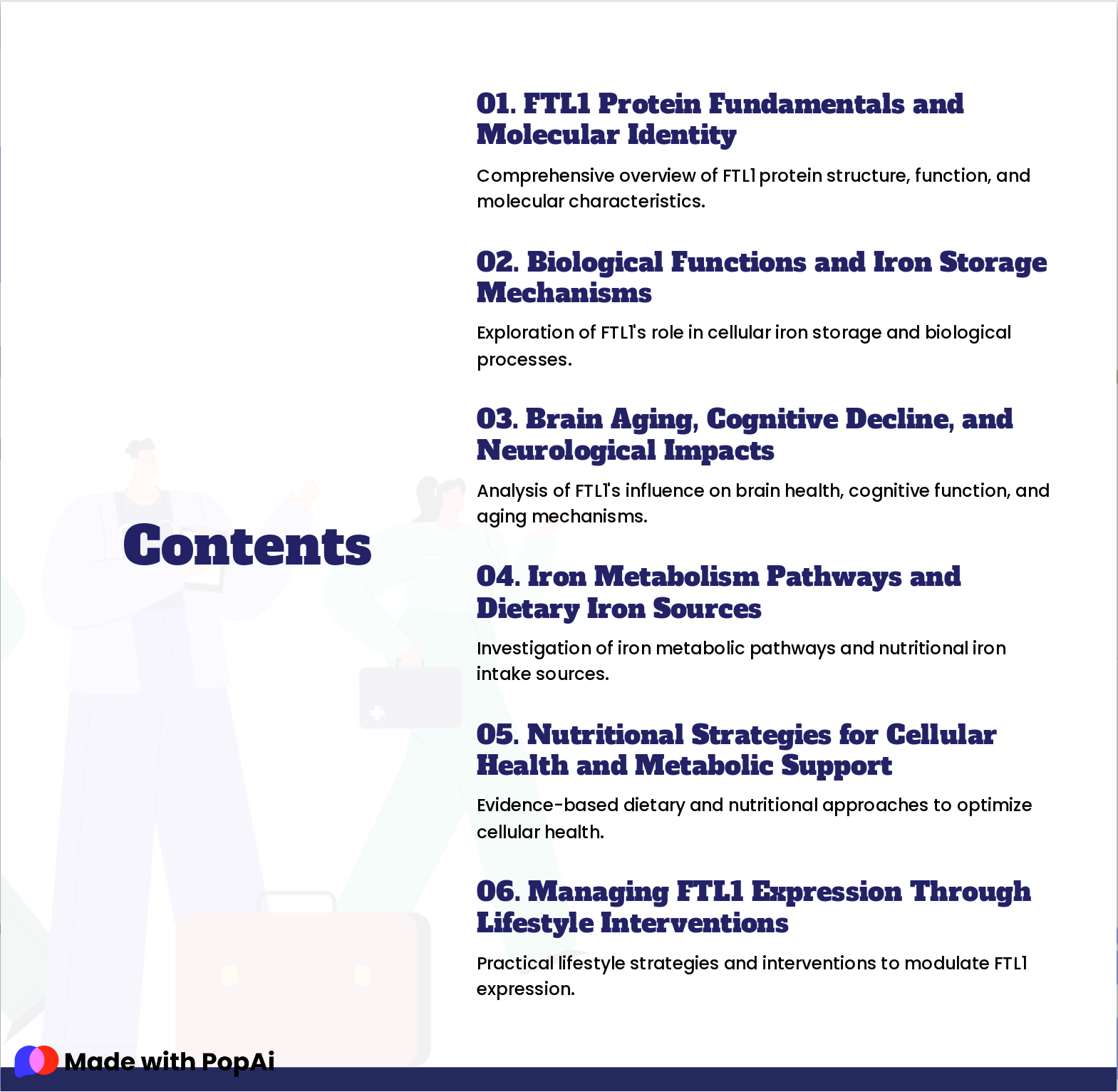
Slide 2: Contents
- FTL1 Protein Fundamentals and Molecular Identity: Comprehensive overview of FTL1 protein structure, function, and molecular characteristics.
- Biological Functions and Iron Storage Mechanisms: Exploration of FTL1's role in cellular iron storage and biological processes.
- Brain Aging, Cognitive Decline, and Neurological Impacts: Analysis of FTL1's influence on brain health, cognitive function, and aging mechanisms.
- Iron Metabolism Pathways and Dietary Iron Sources: Investigation of iron metabolic pathways and nutritional iron intake sources.
- Nutritional Strategies for Cellular Health and Metabolic Support: Evidence-based dietary and nutritional approaches to optimize cellular health.
- Managing FTL1 Expression Through Lifestyle Interventions: Practical lifestyle strategies and interventions to modulate FTL1 expression.
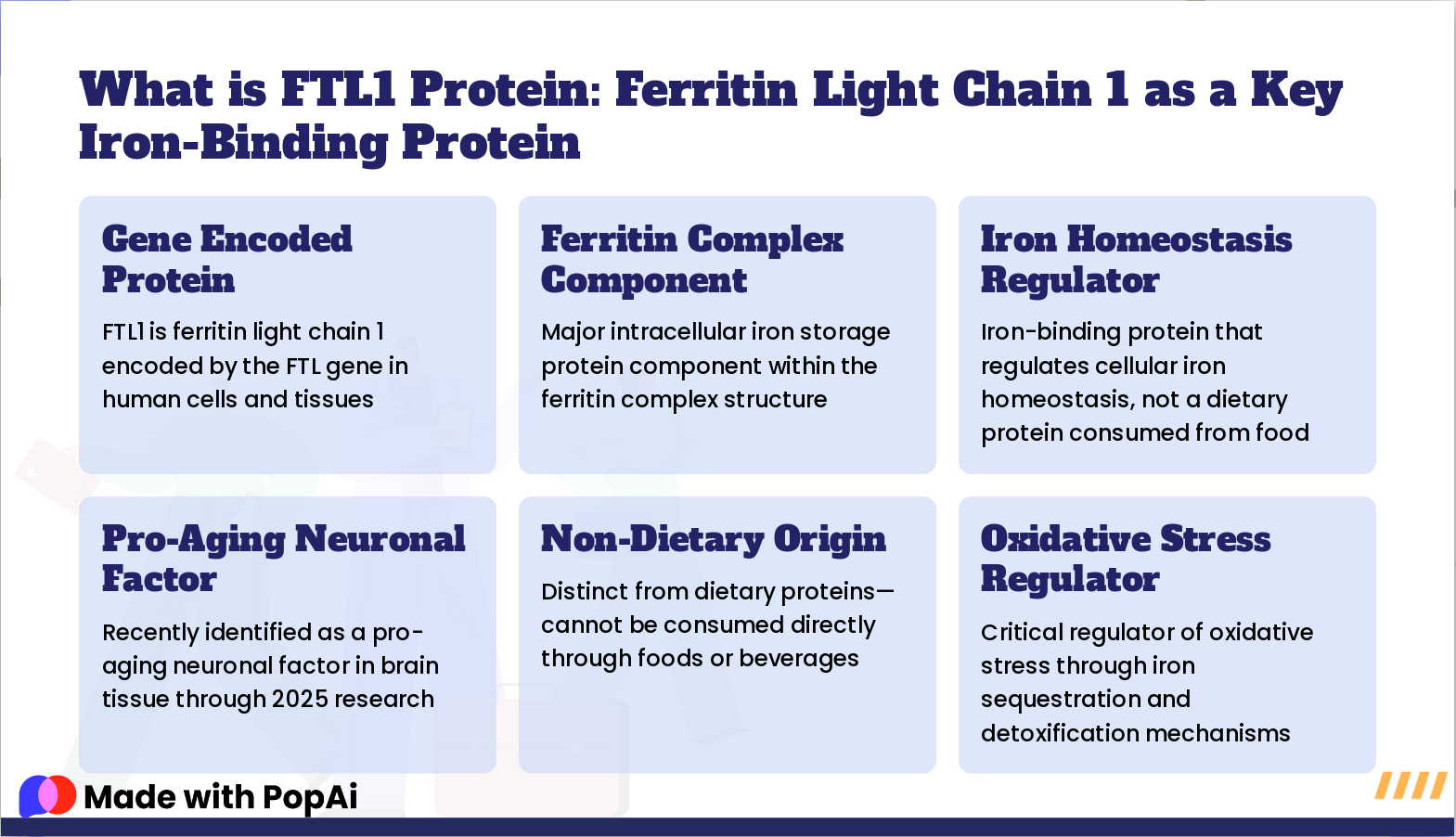
Slide 3: What is FTL1 Protein: Ferritin Light Chain 1 as a Key Iron-Binding Protein
- Gene Encoded Protein: FTL1 is ferritin light chain 1 encoded by the FTL gene in human cells and tissues
- Ferritin Complex Component: Major intracellular iron storage protein component within the ferritin complex structure
- Iron Homeostasis Regulator: Iron-binding protein that regulates cellular iron homeostasis, not a dietary protein consumed from food
- Pro-Aging Neuronal Factor: Recently identified as a pro-aging neuronal factor in brain tissue through 2025 research
- Non-Dietary Origin: Distinct from dietary proteins—cannot be consumed directly through foods or beverages
- Oxidative Stress Regulator: Critical regulator of oxidative stress through iron sequestration and detoxification mechanisms
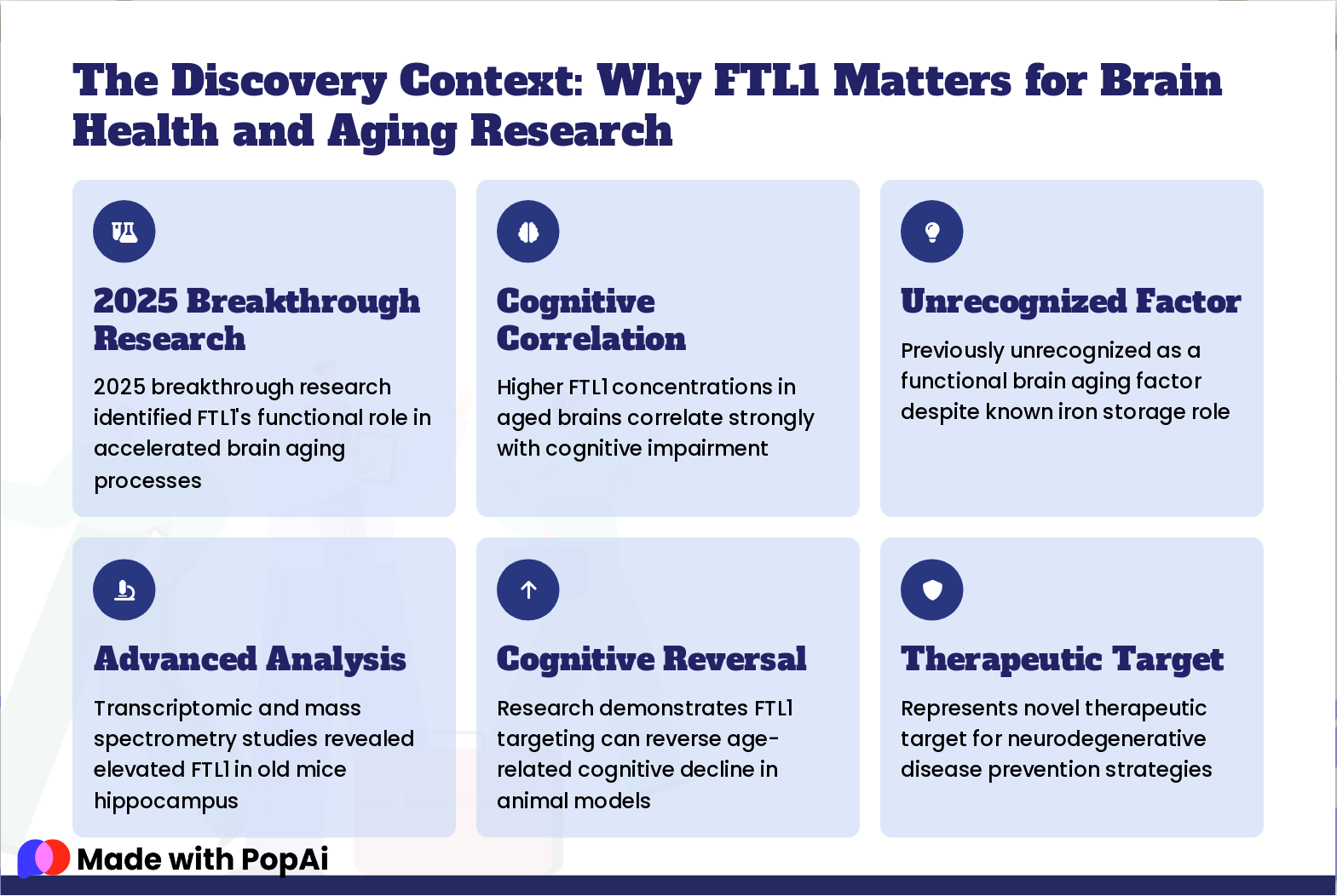
Slide 4: The Discovery Context: Why FTL1 Matters for Brain Health and Aging Research
- 2025 Breakthrough Research: 2025 breakthrough research identified FTL1's functional role in accelerated brain aging processes
- Cognitive Correlation: Higher FTL1 concentrations in aged brains correlate strongly with cognitive impairment
- Unrecognized Factor: Previously unrecognized as a functional brain aging factor despite known iron storage role
- Advanced Analysis: Transcriptomic and mass spectrometry studies revealed elevated FTL1 in old mice hippocampus
- Cognitive Reversal: Research demonstrates FTL1 targeting can reverse age-related cognitive decline in animal models
- Therapeutic Target: Represents novel therapeutic target for neurodegenerative disease prevention strategies
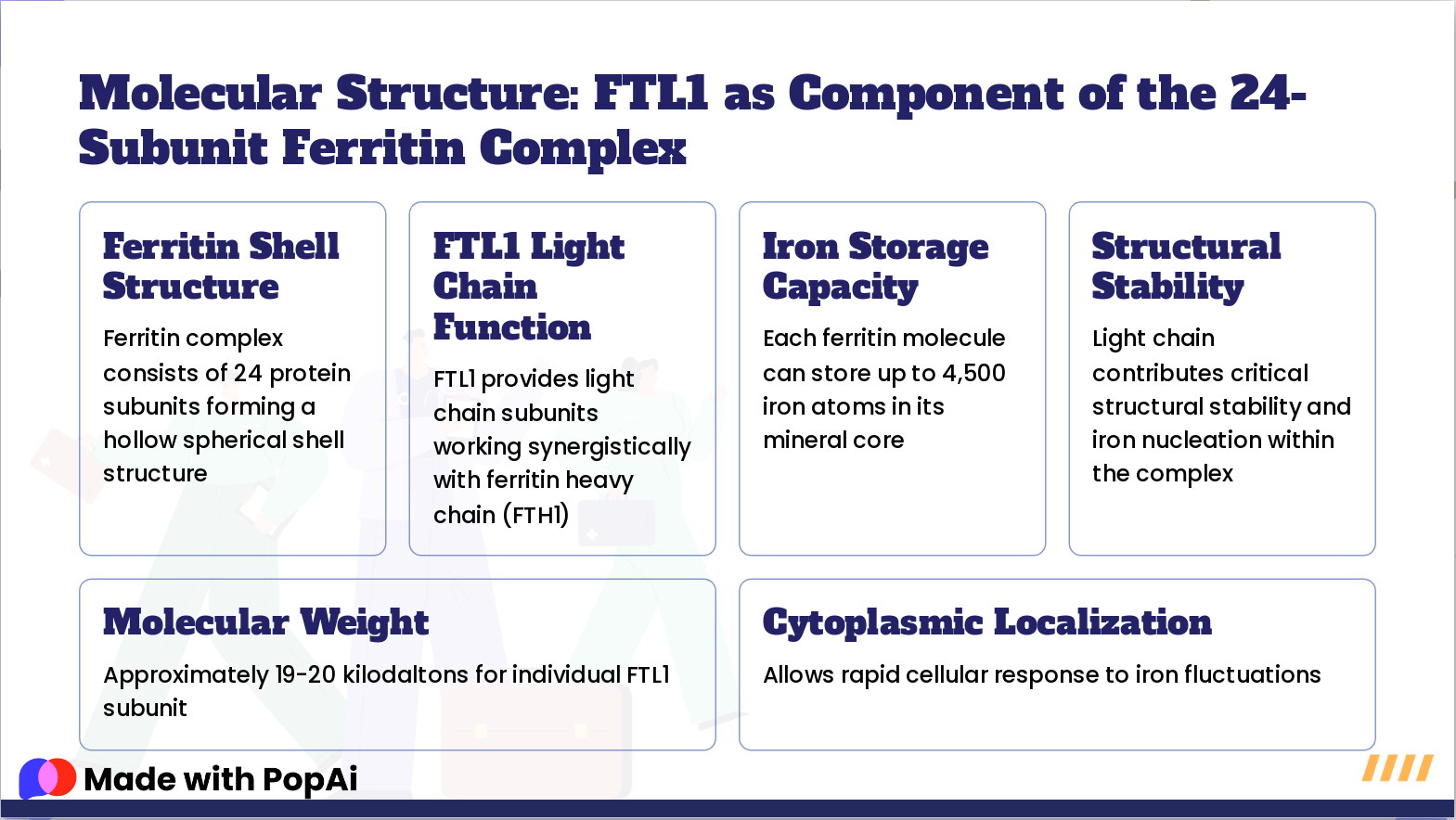
Slide 5: Molecular Structure: FTL1 as Component of the 24-Subunit Ferritin Complex
- Ferritin Shell Structure: Ferritin complex consists of 24 protein subunits forming a hollow spherical shell structure
- FTL1 Light Chain Function: FTL1 provides light chain subunits working synergistically with ferritin heavy chain (FTH1)
- Iron Storage Capacity: Each ferritin molecule can store up to 4,500 iron atoms in its mineral core
- Structural Stability: Light chain contributes critical structural stability and iron nucleation within the complex
- Molecular Weight: Approximately 19-20 kilodaltons for individual FTL1 subunit
- Cytoplasmic Localization: Allows rapid cellular response to iron fluctuations
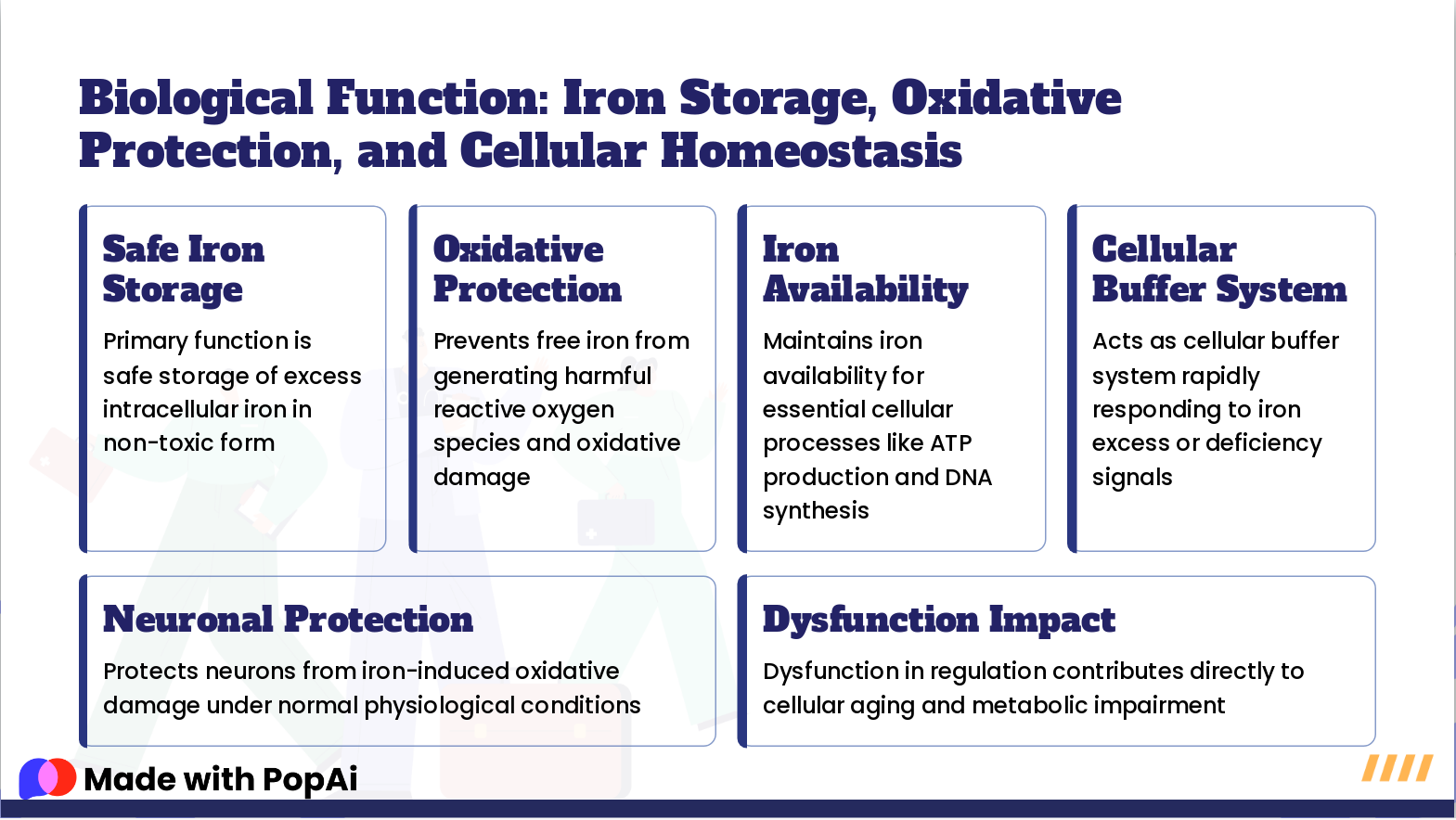
Slide 6: Biological Function: Iron Storage, Oxidative Protection, and Cellular Homeostasis
- Safe Iron Storage: Primary function is safe storage of excess intracellular iron in non-toxic form
- Oxidative Protection: Prevents free iron from generating harmful reactive oxygen species and oxidative damage
- Iron Availability: Maintains iron availability for essential cellular processes like ATP production and DNA synthesis
- Cellular Buffer System: Acts as cellular buffer system rapidly responding to iron excess or deficiency signals
- Neuronal Protection: Protects neurons from iron-induced oxidative damage under normal physiological conditions
- Dysfunction Impact: Dysfunction in regulation contributes directly to cellular aging and metabolic impairment
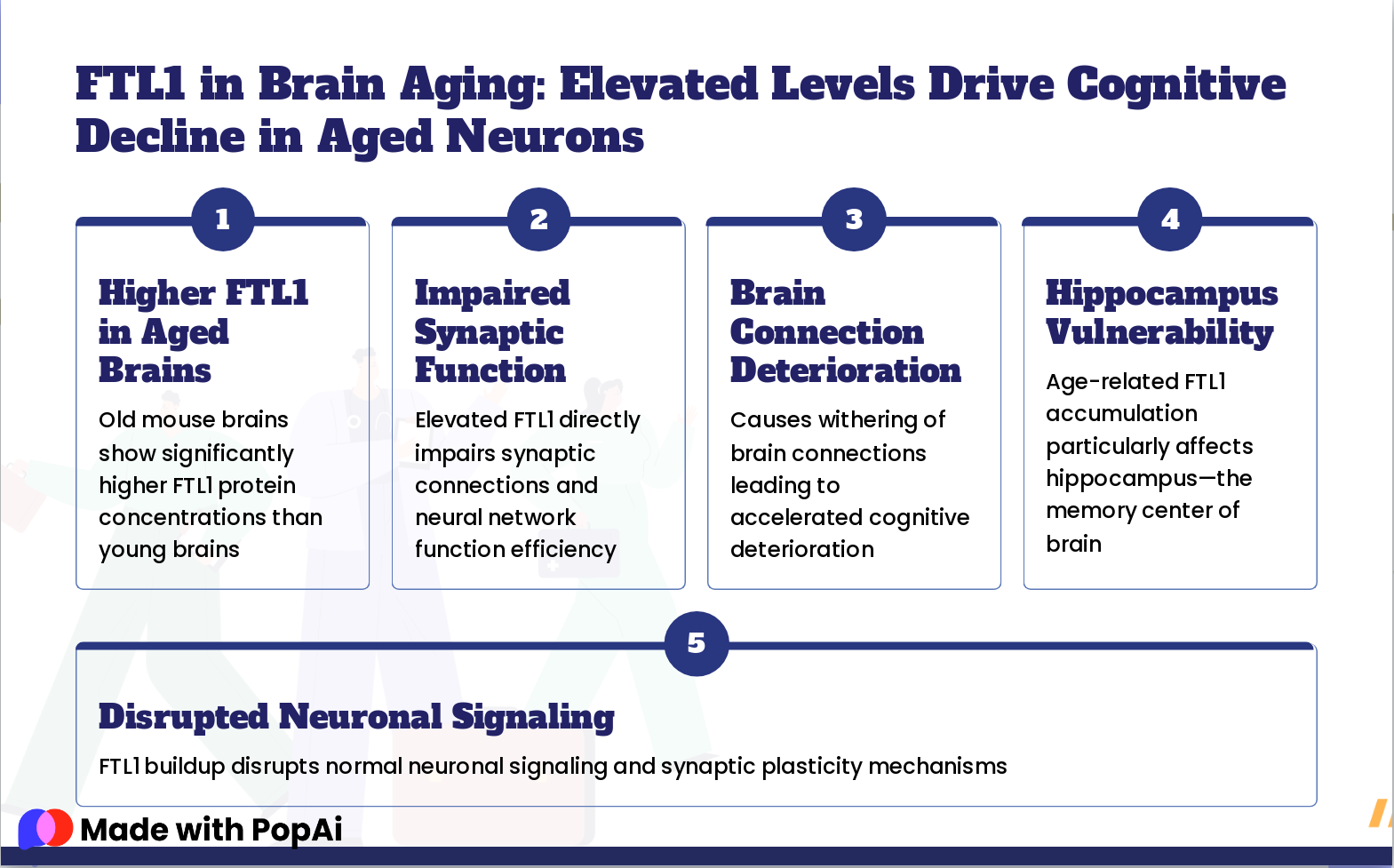
Slide 7: FTL1 in Brain Aging: Elevated Levels Drive Cognitive Decline in Aged Neurons
- Higher FTL1 in Aged Brains: Old mouse brains show significantly higher FTL1 protein concentrations than young brains
- Impaired Synaptic Function: Elevated FTL1 directly impairs synaptic connections and neural network function efficiency
- Brain Connection Deterioration: Causes withering of brain connections leading to accelerated cognitive deterioration
- Hippocampus Vulnerability: Age-related FTL1 accumulation particularly affects hippocampus—the memory center of brain
- Disrupted Neuronal Signaling: FTL1 buildup disrupts normal neuronal signaling and synaptic plasticity mechanisms
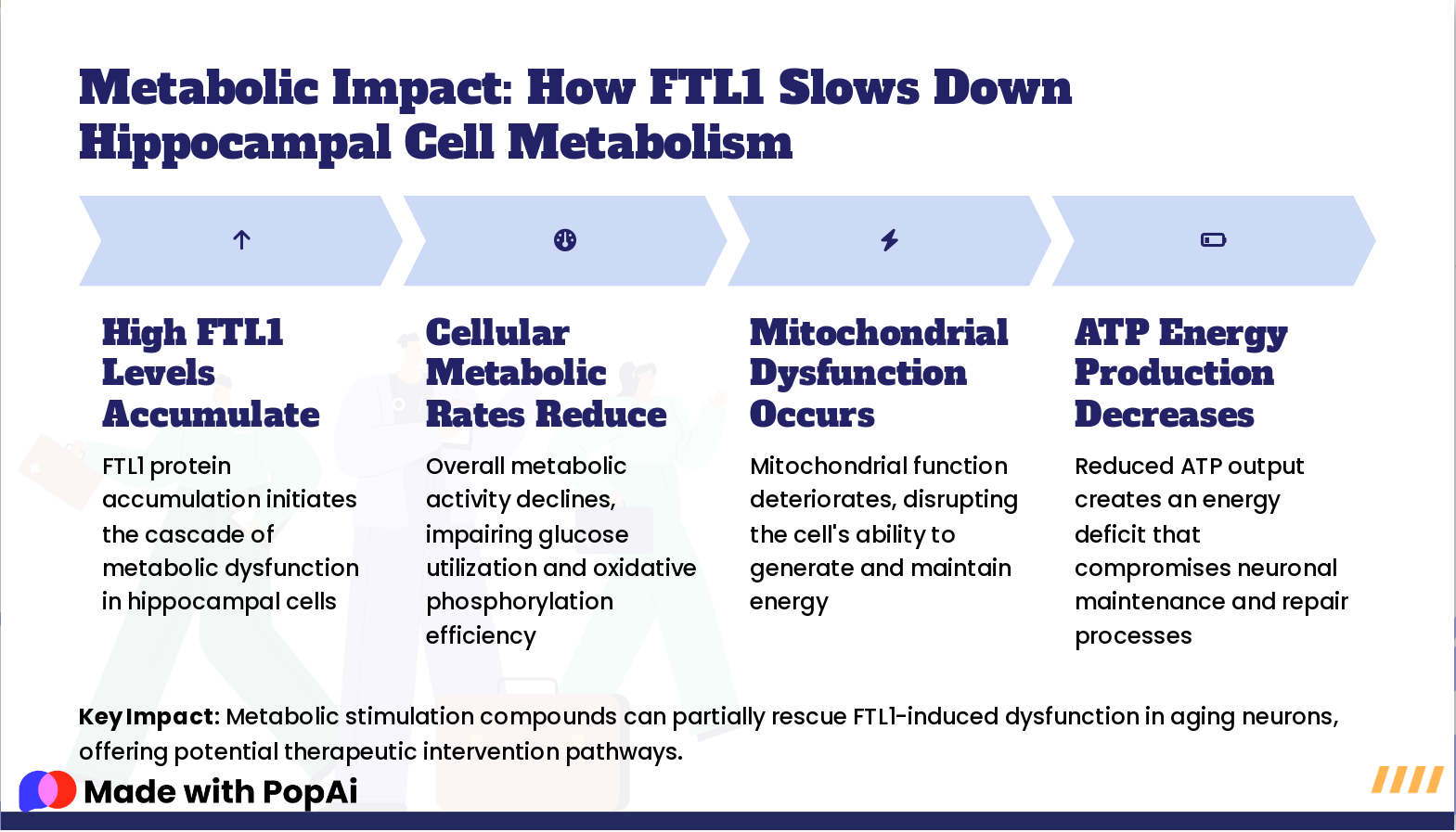
Slide 8: Metabolic Impact: How FTL1 Slows Down Hippocampal Cell Metabolism
- High FTL1 Levels Accumulate: FTL1 protein accumulation initiates the cascade of metabolic dysfunction in hippocampal cells
- Cellular Metabolic Rates Reduce: Overall metabolic activity declines, impairing glucose utilization and oxidative phosphorylation efficiency
- Mitochondrial Dysfunction Occurs: Mitochondrial function deteriorates, disrupting the cell's ability to generate and maintain energy
- ATP Energy Production Decreases: Reduced ATP output creates an energy deficit that compromises neuronal maintenance and repair processes
Key Impact : Metabolic stimulation compounds can partially rescue FTL1-induced dysfunction in aging neurons, offering potential therapeutic intervention pathways.
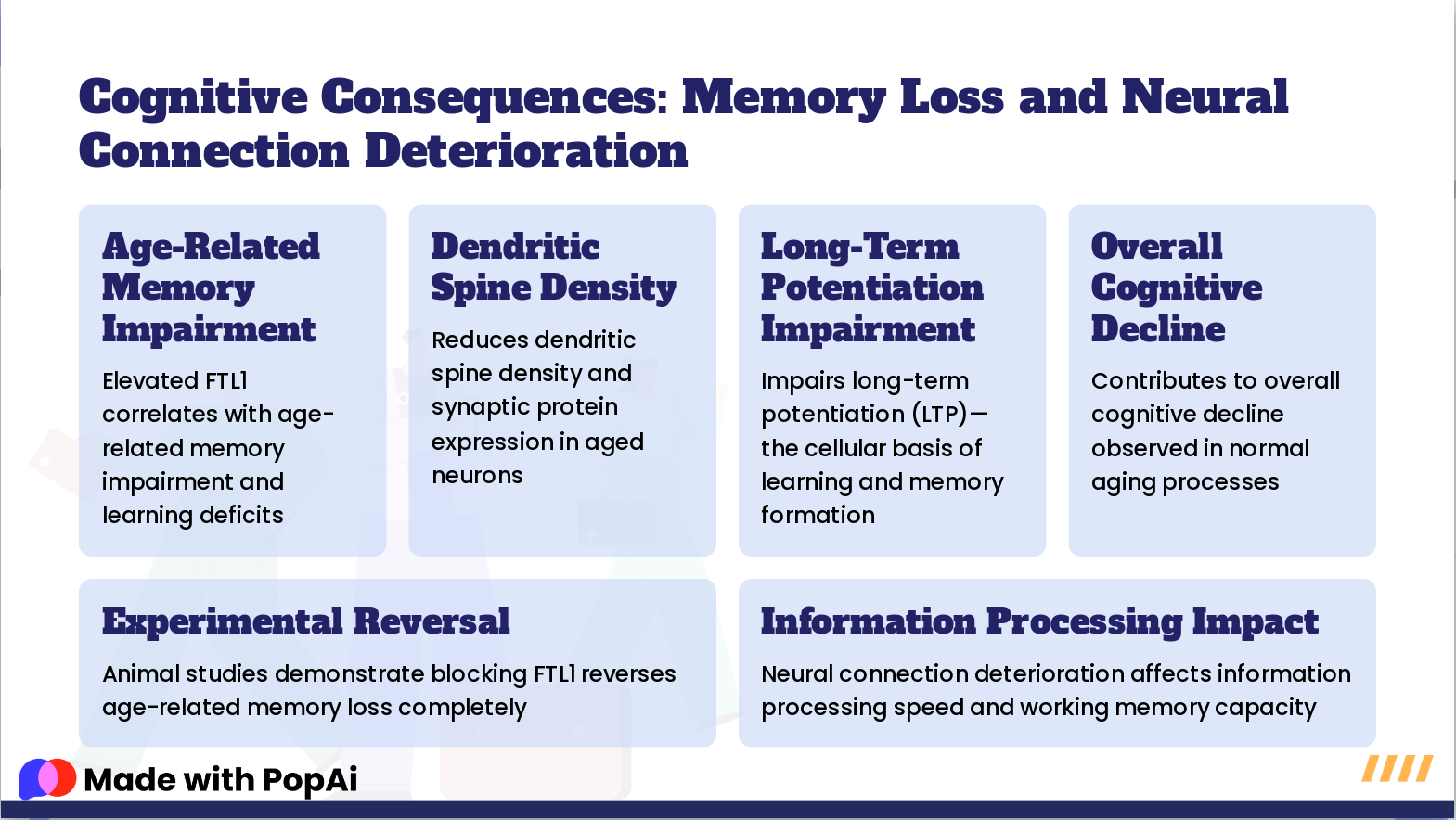
Slide 9: Cognitive Consequences: Memory Loss and Neural Connection Deterioration
- Age-Related Memory Impairment: Elevated FTL1 correlates with age-related memory impairment and learning deficits
- Dendritic Spine Density: Reduces dendritic spine density and synaptic protein expression in aged neurons
- Long-Term Potentiation Impairment: Impairs long-term potentiation (LTP)—the cellular basis of learning and memory formation
- Overall Cognitive Decline: Contributes to overall cognitive decline observed in normal aging processes
- Experimental Reversal: Animal studies demonstrate blocking FTL1 reverses age-related memory loss completely
- Information Processing Impact: Neural connection deterioration affects information processing speed and working memory capacity
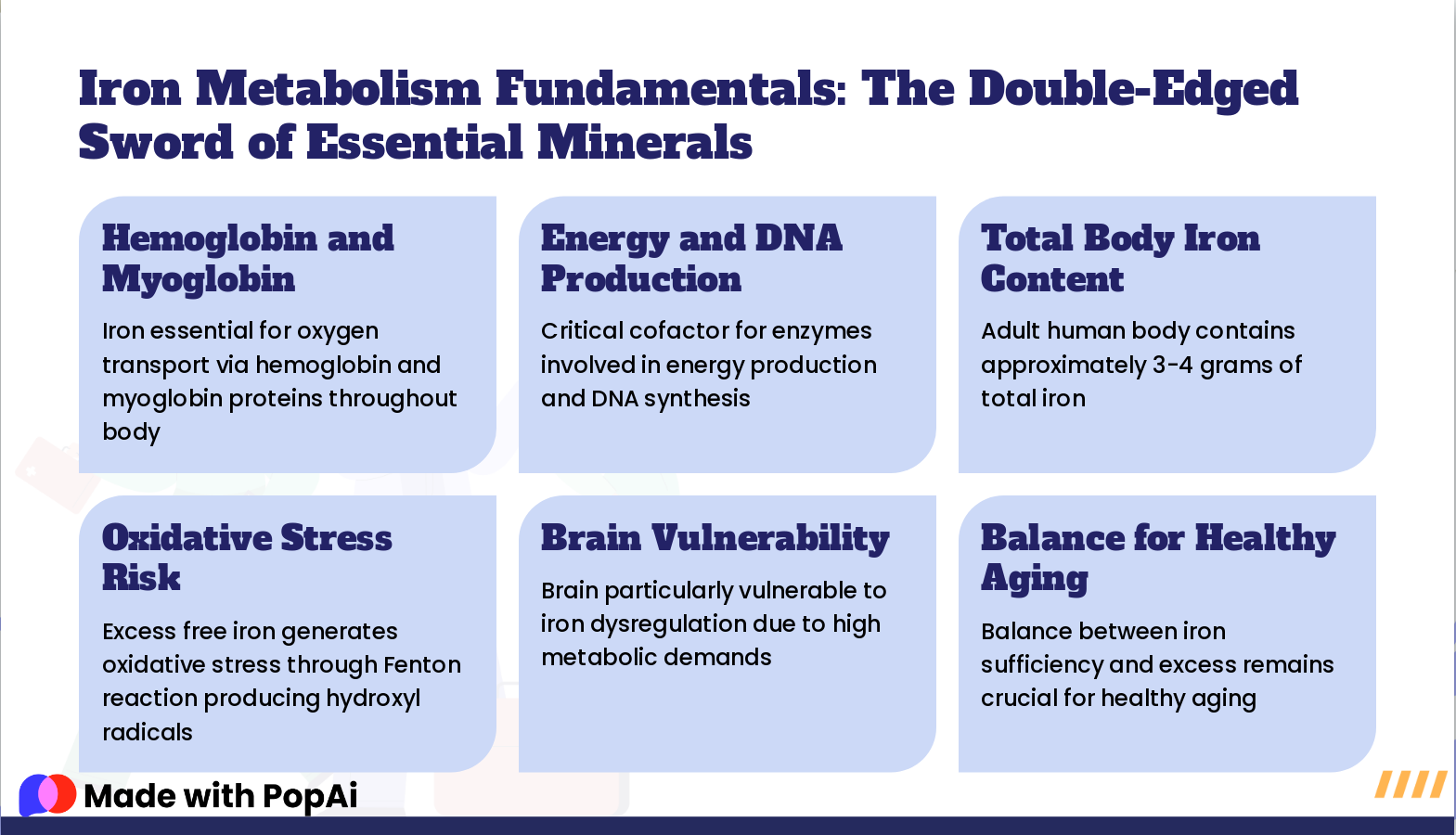
Slide 10: Iron Metabolism Fundamentals: The Double-Edged Sword of Essential Minerals
- Hemoglobin and Myoglobin: Iron essential for oxygen transport via hemoglobin and myoglobin proteins throughout body
- Energy and DNA Production: Critical cofactor for enzymes involved in energy production and DNA synthesis
- Total Body Iron Content: Adult human body contains approximately 3-4 grams of total iron
- Oxidative Stress Risk: Excess free iron generates oxidative stress through Fenton reaction producing hydroxyl radicals
- Brain Vulnerability: Brain particularly vulnerable to iron dysregulation due to high metabolic demands
- Balance for Healthy Aging: Balance between iron sufficiency and excess remains crucial for healthy aging
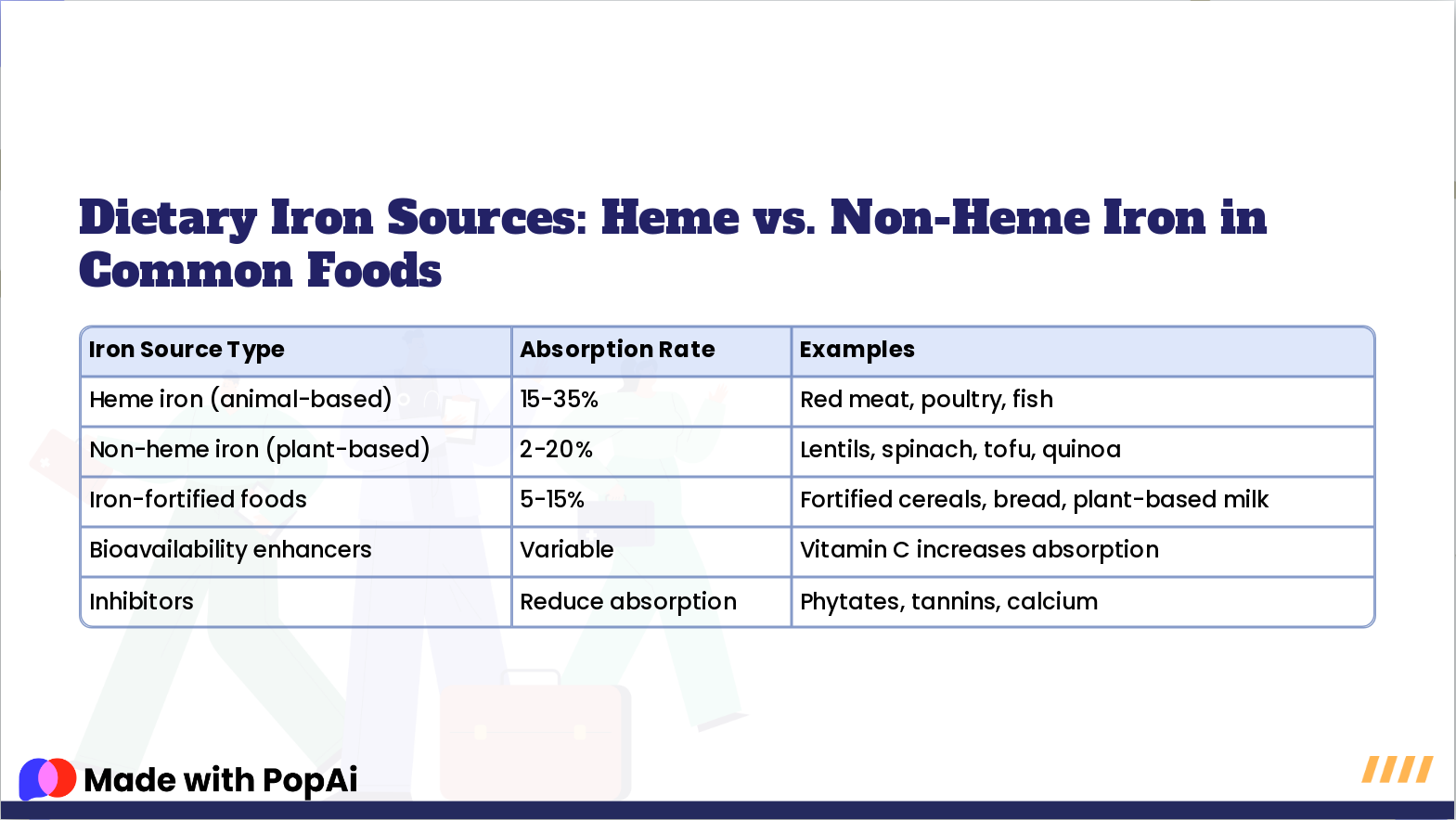
Slide 11: Dietary Iron Sources: Heme vs. Non-Heme Iron in Common Foods
- Iron Source Type: Heme iron (animal-based), Absorption Rate: 15-35%, Examples: Red meat, poultry, fish
- Iron Source Type: Non-heme iron (plant-based), Absorption Rate: 2-20%, Examples: Lentils, spinach, tofu, quinoa
- Iron Source Type: Iron-fortified foods, Absorption Rate: 5-15%, Examples: Fortified cereals, bread, plant-based milk
- Iron Source Type: Bioavailability enhancers, Absorption Rate: Variable, Examples: Vitamin C increases absorption
- Iron Source Type: Inhibitors, Absorption Rate: Reduce absorption, Examples: Phytates, tannins, calcium
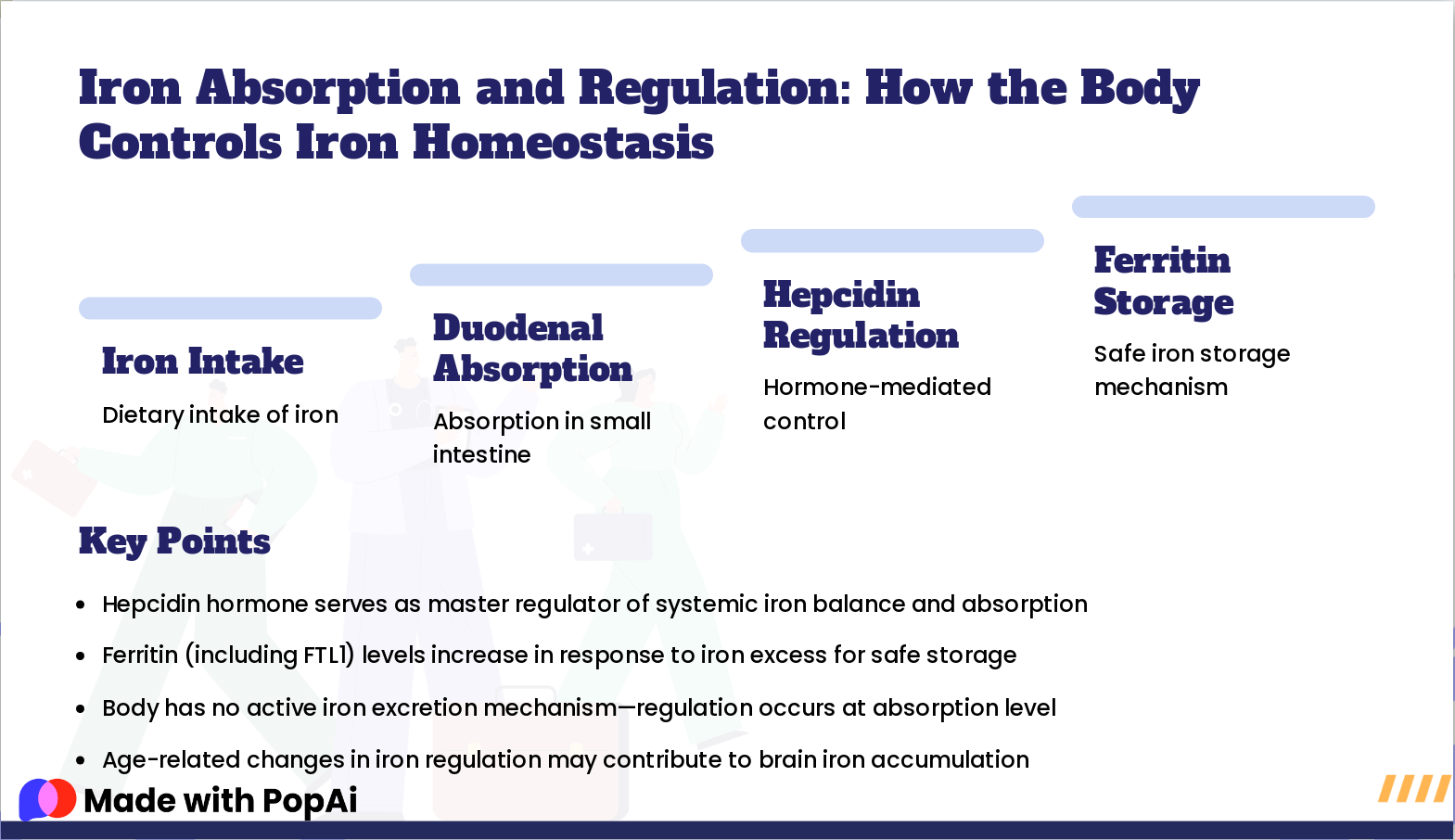
Slide 12: Iron Absorption and Regulation: How the Body Controls Iron Homeostasis
- Iron Intake: Dietary intake of iron
- Duodenal Absorption: Absorption in small intestine
- Hepcidin Regulation: Hormone-mediated control
- Ferritin Storage: Safe iron storage mechanism
Hepcidin hormone serves as master regulator of systemic iron balance and absorption
Ferritin (including FTL1) levels increase in response to iron excess for safe storage
Body has no active iron excretion mechanism—regulation occurs at absorption level
Age-related changes in iron regulation may contribute to brain iron accumulation
- Hepcidin hormone serves as master regulator of systemic iron balance and absorption
- Ferritin (including FTL1) levels increase in response to iron excess for safe storage
- Body has no active iron excretion mechanism—regulation occurs at absorption level
- Age-related changes in iron regulation may contribute to brain iron accumulation
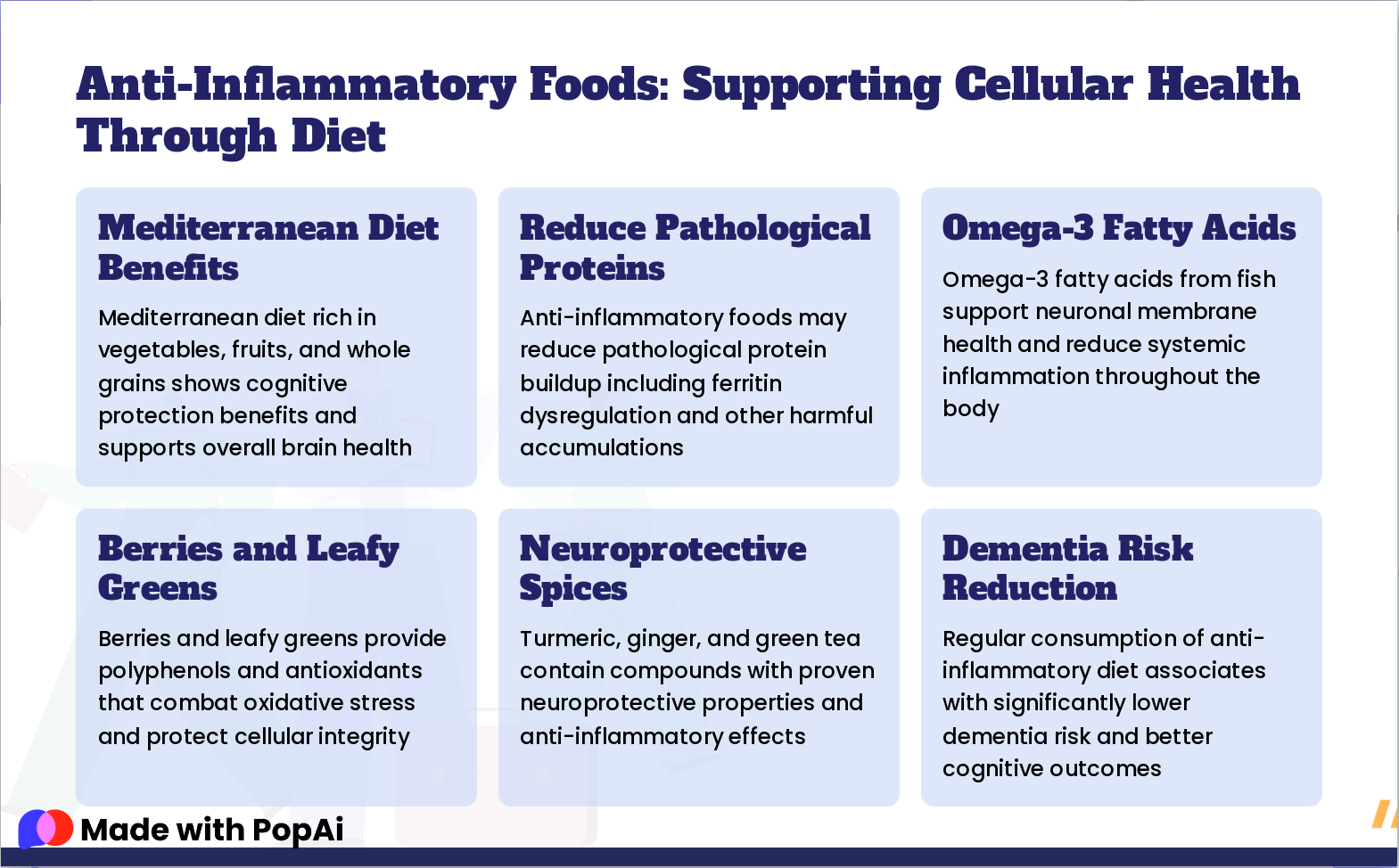
Slide 13: Anti-Inflammatory Foods: Supporting Cellular Health Through Diet
- Mediterranean Diet Benefits: Mediterranean diet rich in vegetables, fruits, and whole grains shows cognitive protection benefits and supports overall brain health
- Reduce Pathological Proteins: Anti-inflammatory foods may reduce pathological protein buildup including ferritin dysregulation and other harmful accumulations
- Omega-3 Fatty Acids: Omega-3 fatty acids from fish support neuronal membrane health and reduce systemic inflammation throughout the body
- Berries and Leafy Greens: Berries and leafy greens provide polyphenols and antioxidants that combat oxidative stress and protect cellular integrity
- Neuroprotective Spices: Turmeric, ginger, and green tea contain compounds with proven neuroprotective properties and anti-inflammatory effects
- Dementia Risk Reduction: Regular consumption of anti-inflammatory diet associates with significantly lower dementia risk and better cognitive outcomes
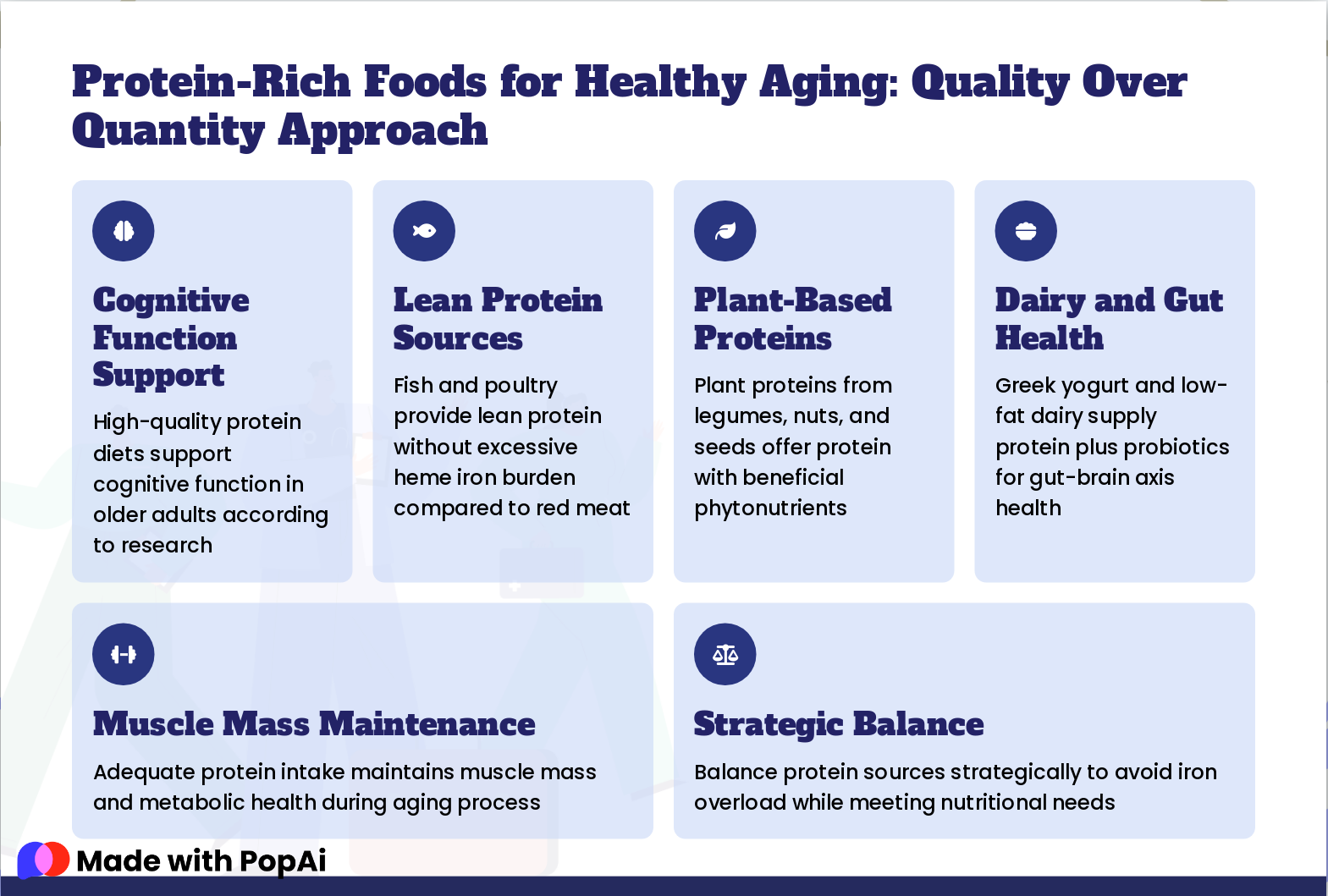
Slide 14: Protein-Rich Foods for Healthy Aging: Quality Over Quantity Approach
- Cognitive Function Support: High-quality protein diets support cognitive function in older adults according to research
- Lean Protein Sources: Fish and poultry provide lean protein without excessive heme iron burden compared to red meat
- Plant-Based Proteins: Plant proteins from legumes, nuts, and seeds offer protein with beneficial phytonutrients
- Dairy and Gut Health: Greek yogurt and low-fat dairy supply protein plus probiotics for gut-brain axis health
- Muscle Mass Maintenance: Adequate protein intake maintains muscle mass and metabolic health during aging process
- Strategic Balance: Balance protein sources strategically to avoid iron overload while meeting nutritional needs
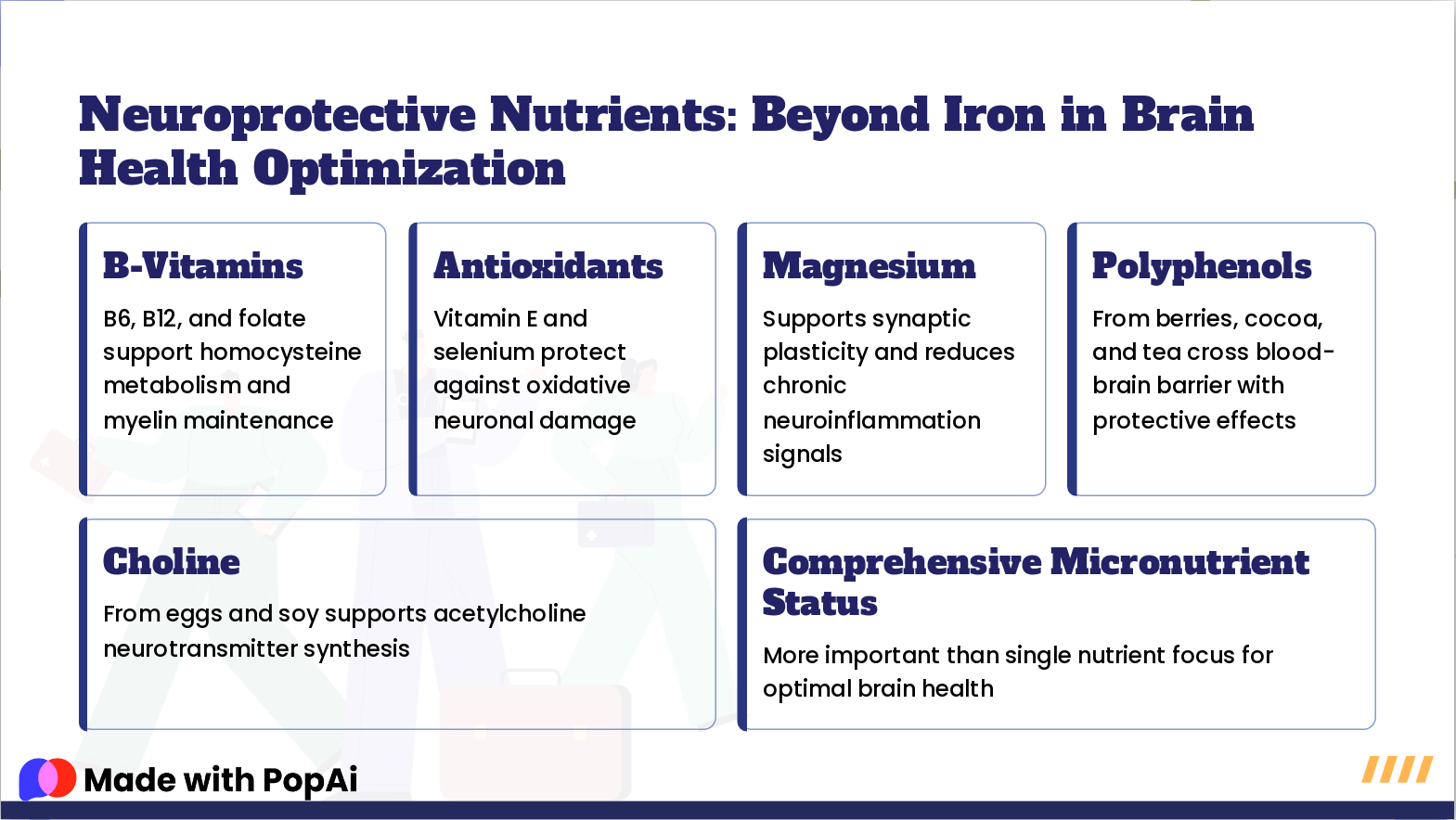
Slide 15: Neuroprotective Nutrients: Beyond Iron in Brain Health Optimization
- B-Vitamins: B6, B12, and folate support homocysteine metabolism and myelin maintenance
- Antioxidants: Vitamin E and selenium protect against oxidative neuronal damage
- Magnesium: Supports synaptic plasticity and reduces chronic neuroinflammation signals
- Polyphenols: From berries, cocoa, and tea cross blood-brain barrier with protective effects
- Choline: From eggs and soy supports acetylcholine neurotransmitter synthesis
- Comprehensive Micronutrient Status: More important than single nutrient focus for optimal brain health
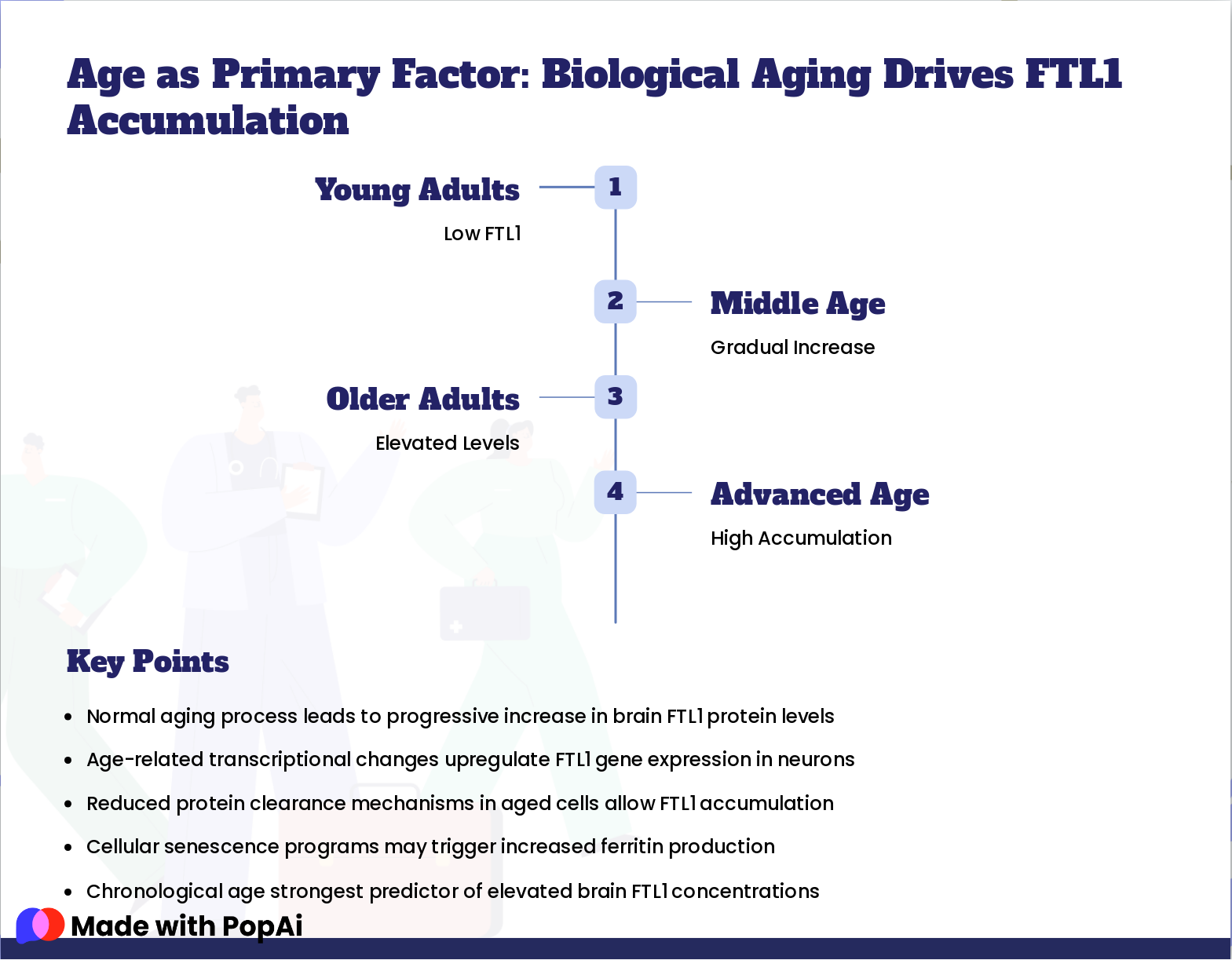
Slide 16: Age as Primary Factor: Biological Aging Drives FTL1 Accumulation
- Young Adults: Low FTL1
- Middle Age: Gradual Increase
- Older Adults: Elevated Levels
- Advanced Age: High Accumulation
Normal aging process leads to progressive increase in brain FTL1 protein levels
Age-related transcriptional changes upregulate FTL1 gene expression in neurons
Reduced protein clearance mechanisms in aged cells allow FTL1 accumulation
Cellular senescence programs may trigger increased ferritin production
Chronological age strongest predictor of elevated brain FTL1 concentrations
- Normal aging process leads to progressive increase in brain FTL1 protein levels
- Age-related transcriptional changes upregulate FTL1 gene expression in neurons
- Reduced protein clearance mechanisms in aged cells allow FTL1 accumulation
- Cellular senescence programs may trigger increased ferritin production
- Chronological age strongest predictor of elevated brain FTL1 concentrations
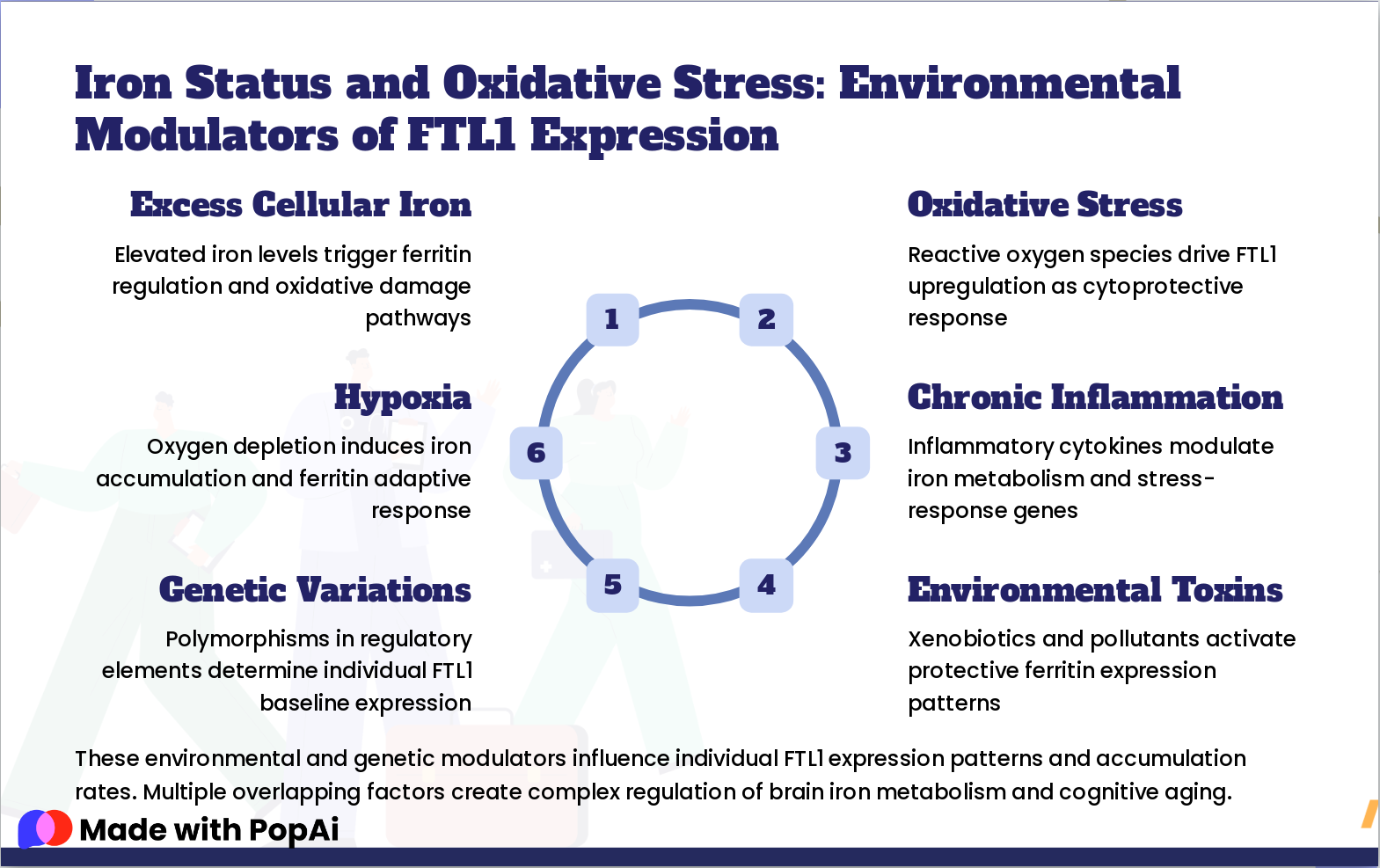
Slide 17: Iron Status and Oxidative Stress: Environmental Modulators of FTL1 Expression
- Excess Cellular Iron: Elevated iron levels trigger ferritin regulation and oxidative damage pathways
- Oxidative Stress: Reactive oxygen species drive FTL1 upregulation as cytoprotective response
- Chronic Inflammation: Inflammatory cytokines modulate iron metabolism and stress-response genes
- Environmental Toxins: Xenobiotics and pollutants activate protective ferritin expression patterns
- Genetic Variations: Polymorphisms in regulatory elements determine individual FTL1 baseline expression
- Hypoxia: Oxygen depletion induces iron accumulation and ferritin adaptive response
These environmental and genetic modulators influence individual FTL1 expression patterns and accumulation rates. Multiple overlapping factors create complex regulation of brain iron metabolism and cognitive aging.
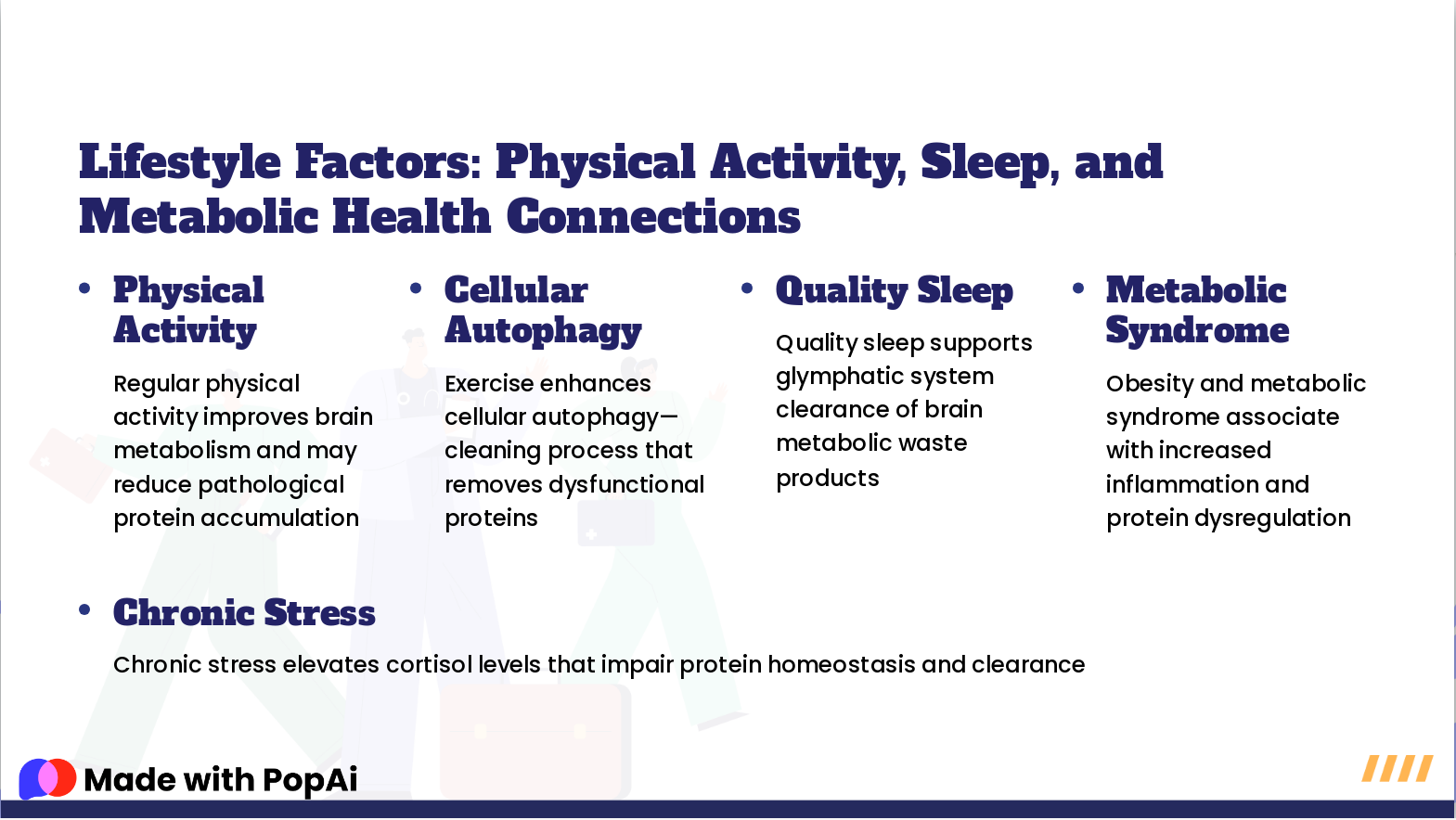
Slide 18: Lifestyle Factors: Physical Activity, Sleep, and Metabolic Health Connections
- Physical Activity: Regular physical activity improves brain metabolism and may reduce pathological protein accumulation
- Cellular Autophagy: Exercise enhances cellular autophagy—cleaning process that removes dysfunctional proteins
- Quality Sleep: Quality sleep supports glymphatic system clearance of brain metabolic waste products
- Metabolic Syndrome: Obesity and metabolic syndrome associate with increased inflammation and protein dysregulation
- Chronic Stress: Chronic stress elevates cortisol levels that impair protein homeostasis and clearance
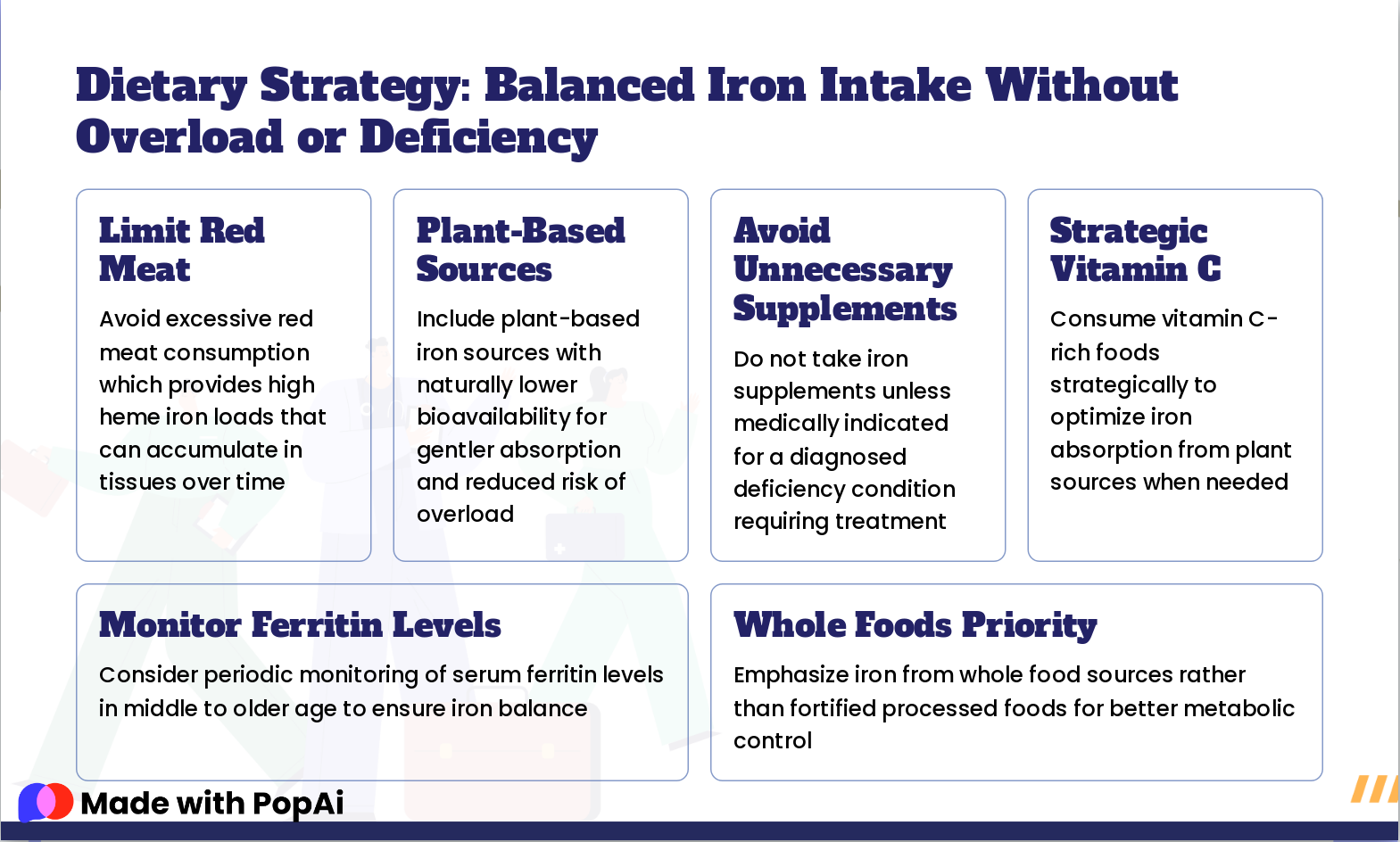
Slide 19: Dietary Strategy: Balanced Iron Intake Without Overload or Deficiency
- Limit Red Meat: Avoid excessive red meat consumption which provides high heme iron loads that can accumulate in tissues over time
- Plant-Based Sources: Include plant-based iron sources with naturally lower bioavailability for gentler absorption and reduced risk of overload
- Avoid Unnecessary Supplements: Do not take iron supplements unless medically indicated for a diagnosed deficiency condition requiring treatment
- Strategic Vitamin C: Consume vitamin C-rich foods strategically to optimize iron absorption from plant sources when needed
- Monitor Ferritin Levels: Consider periodic monitoring of serum ferritin levels in middle to older age to ensure iron balance
- Whole Foods Priority: Emphasize iron from whole food sources rather than fortified processed foods for better metabolic control
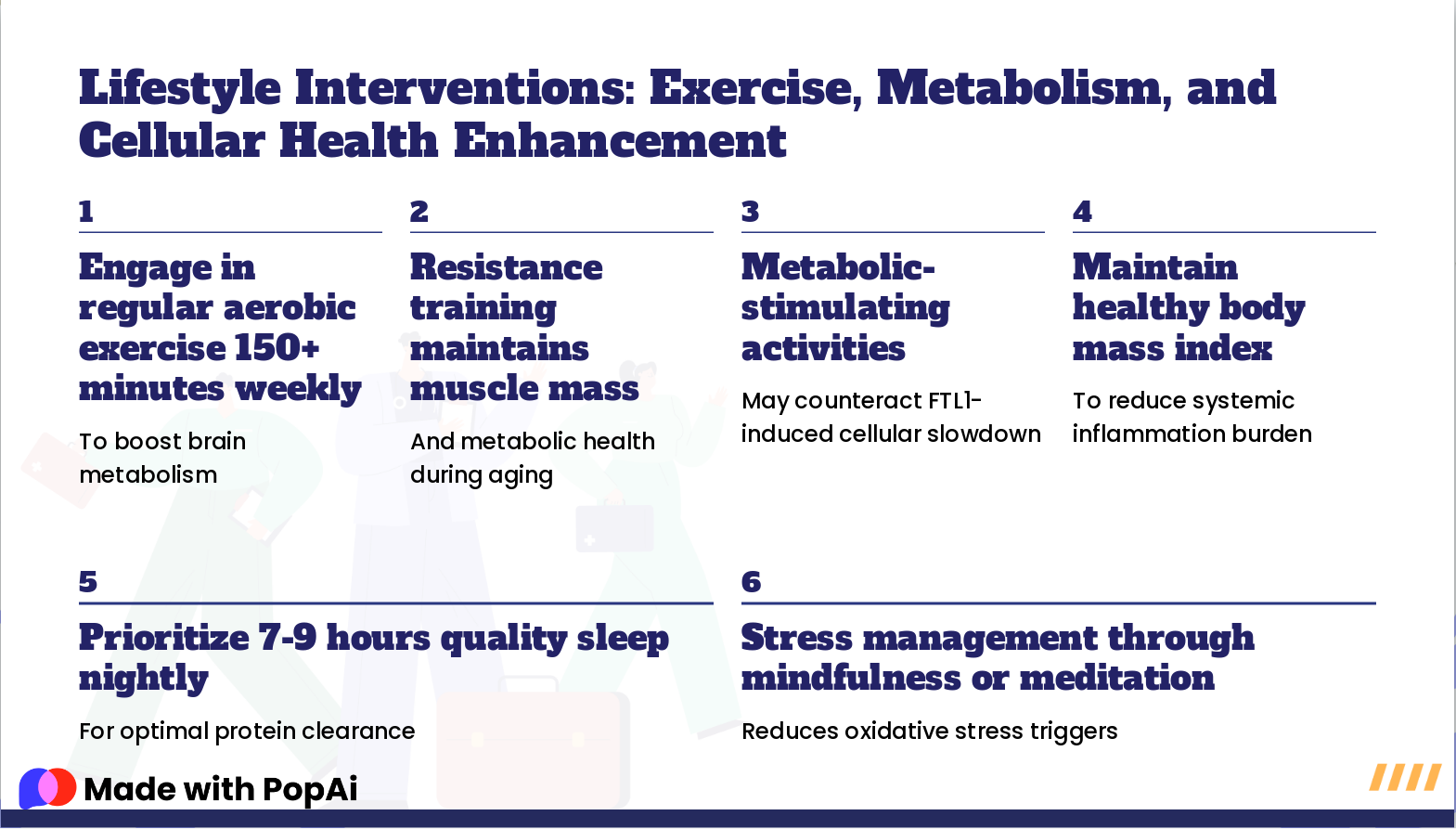
Slide 20: Lifestyle Interventions: Exercise, Metabolism, and Cellular Health Enhancement
- Engage in regular aerobic exercise 150+ minutes weekly: To boost brain metabolism
- Resistance training maintains muscle mass: And metabolic health during aging
- Metabolic-stimulating activities: May counteract FTL1-induced cellular slowdown
- Maintain healthy body mass index: To reduce systemic inflammation burden
- Prioritize 7-9 hours quality sleep nightly: For optimal protein clearance
- Stress management through mindfulness or meditation: Reduces oxidative stress triggers
Slide 21: Key Takeaways: FTL1 as Modifiable Target in Brain Aging Process
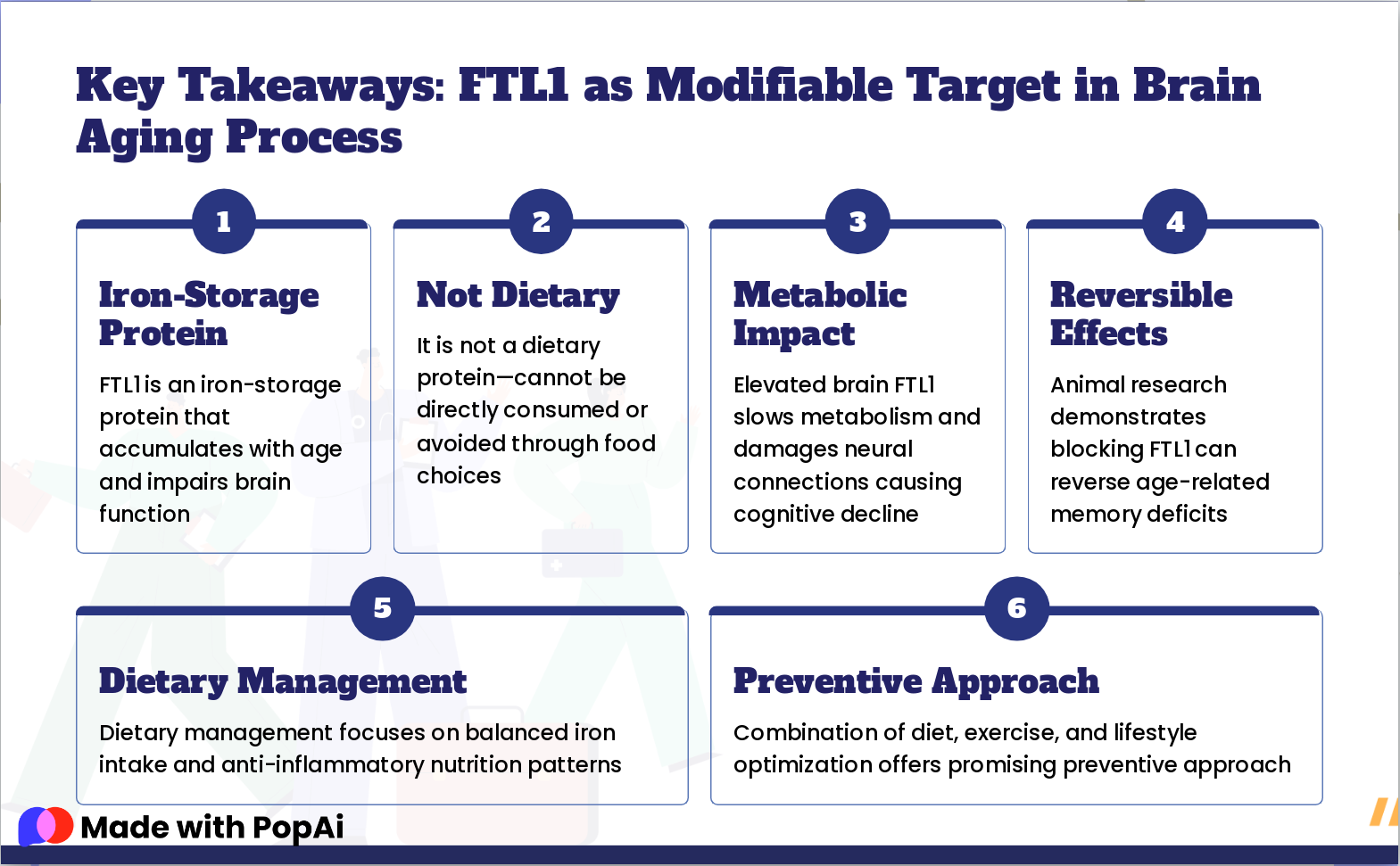
- Iron-Storage Protein: FTL1 is an iron-storage protein that accumulates with age and impairs brain function
- Not Dietary: It is not a dietary protein—cannot be directly consumed or avoided through food choices
- Metabolic Impact: Elevated brain FTL1 slows metabolism and damages neural connections causing cognitive decline
- Reversible Effects: Animal research demonstrates blocking FTL1 can reverse age-related memory deficits
- Dietary Management: Dietary management focuses on balanced iron intake and anti-inflammatory nutrition patterns
- Preventive Approach: Combination of diet, exercise, and lifestyle optimization offers promising preventive approach
Slide 22: Clinical Implications: Translating Research into Preventive Health Strategies
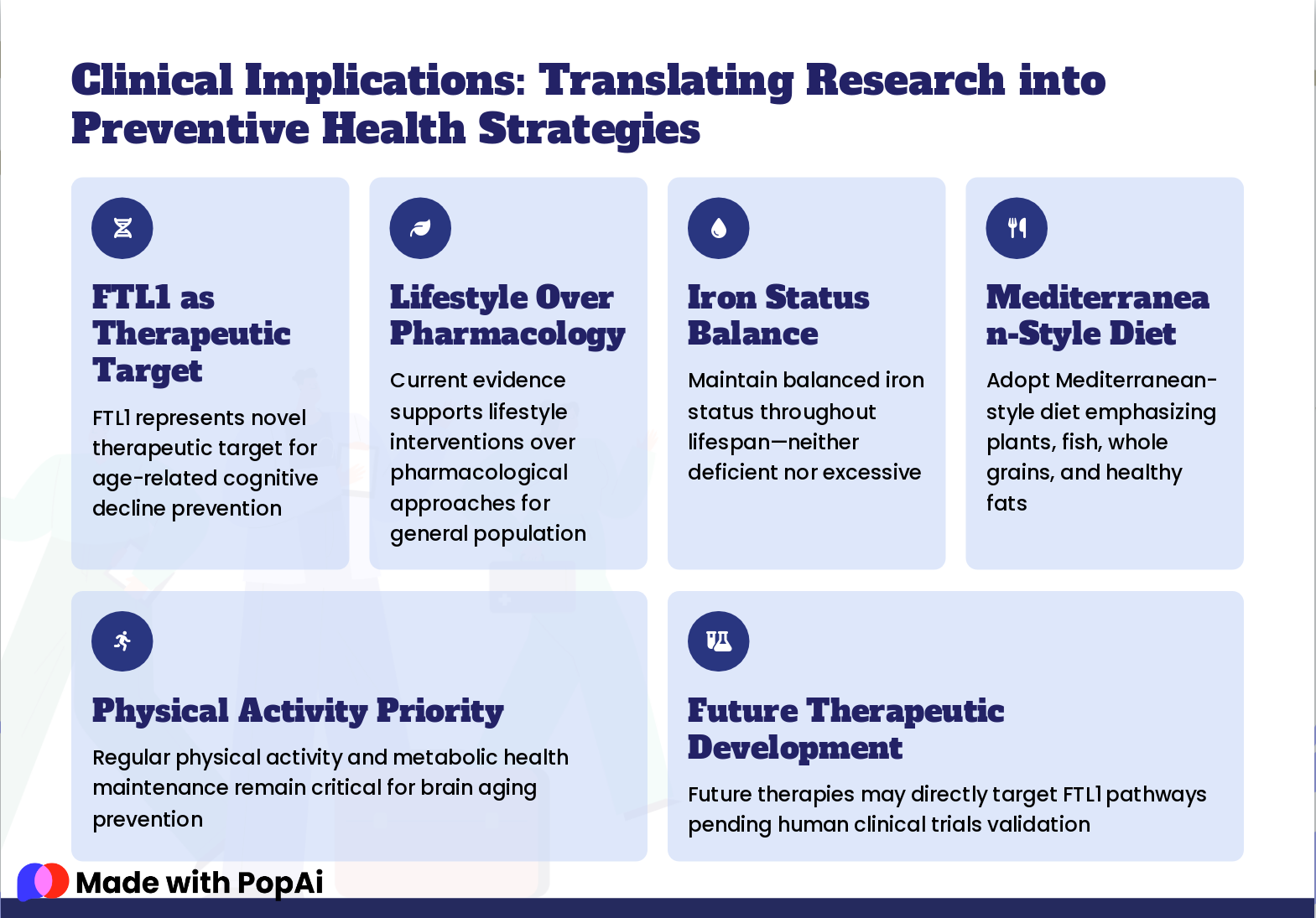
- FTL1 as Therapeutic Target: FTL1 represents novel therapeutic target for age-related cognitive decline prevention
- Lifestyle Over Pharmacology: Current evidence supports lifestyle interventions over pharmacological approaches for general population
- Iron Status Balance: Maintain balanced iron status throughout lifespan—neither deficient nor excessive
- Mediterranean-Style Diet: Adopt Mediterranean-style diet emphasizing plants, fish, whole grains, and healthy fats
- Physical Activity Priority: Regular physical activity and metabolic health maintenance remain critical for brain aging prevention
- Future Therapeutic Development: Future therapies may directly target FTL1 pathways pending human clinical trials validation
Slide 23: References and Future Research Directions: Expanding FTL1 Knowledge Base
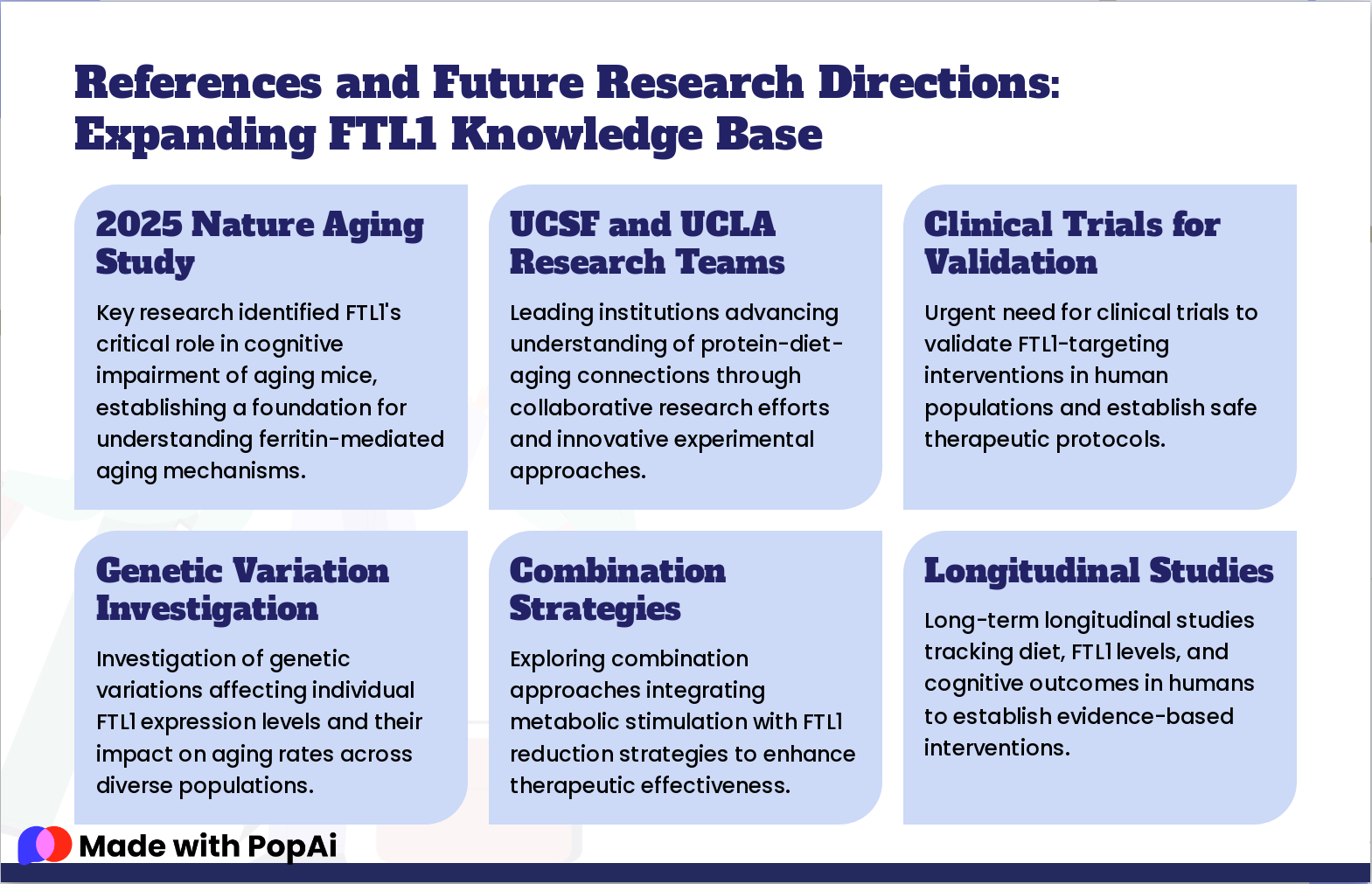
- 2025 Nature Aging Study: Key research identified FTL1's critical role in cognitive impairment of aging mice, establishing a foundation for understanding ferritin-mediated aging mechanisms.
- UCSF and UCLA Research Teams: Leading institutions advancing understanding of protein-diet-aging connections through collaborative research efforts and innovative experimental approaches.
- Clinical Trials for Validation: Urgent need for clinical trials to validate FTL1-targeting interventions in human populations and establish safe therapeutic protocols.
- Genetic Variation Investigation: Investigation of genetic variations affecting individual FTL1 expression levels and their impact on aging rates across diverse populations.
- Combination Strategies: Exploring combination approaches integrating metabolic stimulation with FTL1 reduction strategies to enhance therapeutic effectiveness.
- Longitudinal Studies: Long-term longitudinal studies tracking diet, FTL1 levels, and cognitive outcomes in humans to establish evidence-based interventions.
Slide 24: Thank You: Empowering Informed Decisions for Brain Health Optimization
Thank You: Empowering Informed Decisions for Brain Health Optimization Understanding FTL1 protein empowers proactive approach to cognitive aging through science-based lifestyle choices. Continue monitoring emerging research on neurodegenerative disease prevention. Consult healthcare providers before...